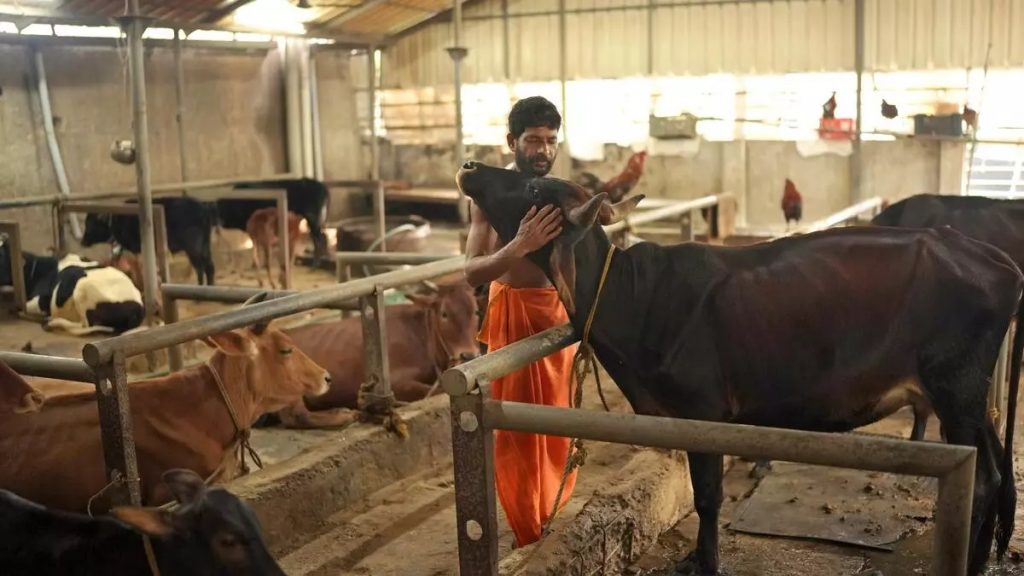
Biogas production can help dairy farms manage organic waste, reduce reliance on conventional energy and recycle nutrients, although costs and technical requirements remain key considerations
Dairy farms generate substantial quantities of cattle manure and other organic waste that can create environmental challenges if not managed properly. Biodigesters offer a way to convert this waste into biogas and nutrient-rich digestate, helping dairy farms improve resource efficiency and move towards a circular production model.
Through anaerobic digestion, organic materials are broken down by microorganisms in an oxygen-free environment. The process produces biogas, consisting mainly of methane and carbon dioxide, alongside digestate that can be used as a soil amendment or fertiliser, subject to appropriate handling and quality checks.
How biodigesters work on dairy farms
A biodigester receives organic materials such as cattle manure and suitable feed residues. Inside the sealed system, microorganisms decompose the material and release biogas, which can be collected for use.
Depending on gas quality and the farm’s equipment, biogas can provide energy for cooking, water heating and electricity generation. With appropriate treatment and upgrading, it may also be suitable for applications requiring higher-purity biomethane.
The remaining digestate contains organic matter and plant nutrients. Returning suitable digestate to agricultural land can help recycle nutrients within the farm’s production system.
Reducing methane emissions and improving waste management
Unmanaged manure can release methane as it decomposes under oxygen-limited conditions. Methane capture through anaerobic digestion can reduce these emissions when the system is properly designed and operated.
The environmental benefits depend on factors such as the manure-management method being replaced, methane leakage, digester performance and the handling of digestate. Poorly managed systems can lose some of the potential climate benefits.
Biodigesters can also help reduce uncontrolled waste runoff when manure and digestate are stored and applied appropriately. Effective management is important to prevent nutrient losses that could contaminate nearby water bodies.
Biogas can help reduce farm energy costs
Energy is essential to modern dairy operations, including milking, water heating, lighting, cleaning and milk chilling. On farms with sufficient feedstock and suitable equipment, biogas can offset some conventional energy use.
Electricity generation may be an option for larger operations or farms with suitable power-generation equipment. However, the economics depend on the quantity and consistency of gas production, equipment costs, maintenance requirements and the farm’s energy demand.
Any electricity exported to the grid would also depend on applicable regulations, grid connectivity and commercial arrangements. Surplus power should not be assumed to generate revenue in every location.
Digestate supports nutrient recycling
Digestate can return nutrients from cattle manure to farmland, potentially reducing dependence on purchased fertilisers. Its value depends on nutrient composition, crop requirements, soil conditions and application practices.
Also Read: U.S. Dairy Industry Announces More Than $15 Billion in Manufacturing Investments Across 23 States
Although digestion can reduce some pathogens and odour-causing compounds, it does not automatically make digestate pathogen-free or odourless. Appropriate storage, testing and application practices remain necessary to protect soil, crops and water resources.
For dairy farms growing fodder crops, nutrient recycling can connect livestock production and crop cultivation in a more integrated system.
Building a circular dairy economy
The circular-economy model links several farm activities:
- Manure management: Organic waste is collected and fed into the biodigester.
- Energy recovery: Biogas is used for suitable thermal or electrical applications.
- Nutrient recovery: Digestate is assessed and applied to agricultural land where appropriate.
- Fodder production: Recycled nutrients can support the cultivation of feed crops.
- Resource efficiency: The farm reduces waste while potentially lowering energy and fertiliser purchases.
The financial and environmental benefits will vary with farm size, local energy prices, manure availability and operating conditions. Nevertheless, integrating waste treatment, energy recovery and nutrient management can help improve the overall efficiency of dairy production.
Adoption challenges for small and medium dairy farms
Despite their potential, biodigesters require upfront investment, suitable space, regular feeding and maintenance, and operators with the necessary technical knowledge. Gas storage, leakage prevention, digestate management and equipment servicing also need attention.
For smallholder dairy farmers, cooperative-based or community-scale systems may offer an alternative to individual installations. Dairy cooperatives, technology providers, financial institutions and government programmes can potentially help farmers access technical assistance and financing.
Before investing, a farm should assess its daily manure availability, energy demand, installation costs, expected gas output, maintenance expenses and options for using or disposing of digestate.
Global experience and future opportunities
Dairy farms in several regions are exploring anaerobic digestion for manure management and renewable energy production. In India, appropriately sized biogas systems can support farm-level energy needs, while larger installations elsewhere may integrate electricity generation or biogas upgrading.
Compact systems, improved monitoring and gas-cleaning technologies may broaden adoption. However, performance depends on local conditions and reliable operation rather than technology alone.
Conclusion
Biodigesters can help dairy farms turn manure management into an opportunity for renewable energy production and nutrient recovery. By linking biogas use with responsible digestate management and fodder cultivation, farms can move towards a more circular production model.
The key to successful adoption is matching the technology to the farm’s scale, resources and energy needs while ensuring safe operation and sound environmental management.
Join Our “Dairy & Food Jobs Updates” WhatsApp group
Follow the Agri Jobs Updates channel on WhatsApp:
Disclaimer
I do my best to share reliable and well-researched insights but occasional errors or omissions may slip through. Please view all content as informational.
Stay informed on all the latest news updates
All Agriculture Books Free Download
All Dairy Technology Books Free Download
All Agricultural Engineering Books Free download
All Horticulture Books Free Download
All Fisheries Science Books Free Download
For Daily Update follow us at:
Facebook Telegram Whatsapp Instagram YouTube
The contents are provided free for noncommercial purpose such as teaching, training, research, extension and self learning.
If you are facing any Problem than fill form Contact Us
If you want share any article related Agriculture with us than send at info@agrimoon.com with your contact detail.