
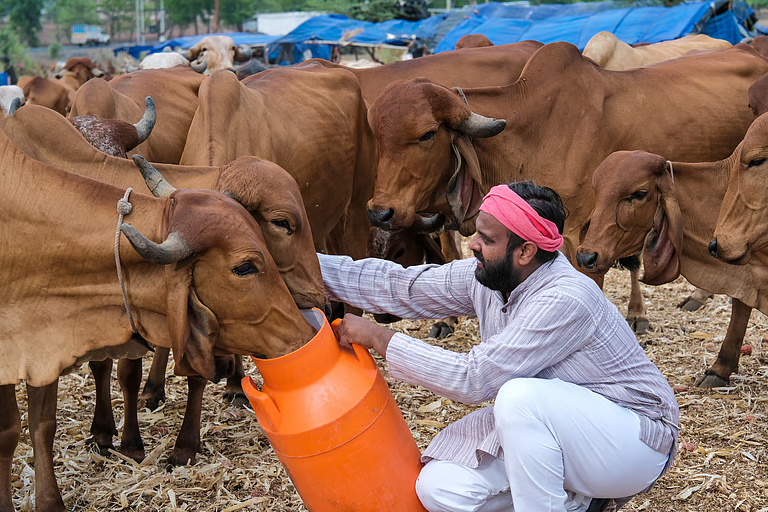
Antimicrobial resistance (AMR) is an increasing concern for animal health, public health and food safety. Antibiotics are essential for treating bacterial infections, but their inappropriate or routine use can accelerate the development and spread of resistant microorganisms.
In dairy farming, antibiotic dependence can be driven by conditions such as poor hygiene, overcrowding, heat stress, inadequate biosecurity and delayed disease diagnosis. A prevention-led approach offers a more sustainable alternative: maintaining healthy animals, detecting infections early, improving farm management and ensuring that antibiotics are used responsibly when treatment is necessary.
India’s National Action Plan on AMR emphasises surveillance, infection prevention, optimised antimicrobial use and research and innovation. The challenge is to translate these priorities into practical interventions for smallholder dairy farmers, veterinarians, cooperatives, regulators and the dairy industry.
1. Strengthen antibiotic regulation and reward prevention
One important priority is to strengthen controls on the sale and use of critically important veterinary antibiotics. Prescription-based access, digital prescription records, medicine traceability and better training for pharmacists and veterinarians can help prevent inappropriate use.
The objective is not to restrict access to necessary treatment. Rather, antibiotics should be administered only when clinically justified, at the correct dose and for the prescribed duration, under appropriate veterinary supervision.
Regulation alone, however, cannot transform farm-level practices. Farmers also need financial incentives that make disease prevention economically attractive.
Uttar Pradesh’s Nand Baba Dugdh Mission provides a potential platform for this approach. Its schemes support indigenous cattle rearing and milk production:
- Nandini Krishak Samriddhi Yojana: Provides a 50% subsidy for establishing a unit of 25 indigenous cattle.
- Mini Nandini Krishak Samriddhi Yojana: Supports a 10-cattle unit with a similar subsidy.
- Mukhyamantri Swadeshi Gau Sanvardhan Yojana: Provides a 40% subsidy for purchasing two indigenous cattle.
The schemes cover breeds such as Sahiwal, Tharparkar, Hariana, Gir and Gangatiri.
These programmes could potentially be developed into AMR-smart incentives by linking financial support with vaccination, animal identification, farm biosecurity plans, veterinary consultations and documented antibiotic-use records. This would make preventive animal healthcare an explicit part of dairy-sector development.
2. Build integrated AMR surveillance and governance
Effective AMR management requires coordination between human health, veterinary services, environmental authorities, food-safety regulators and rural-development agencies.
Surveillance systems should bring together information on:
- Veterinary antibiotic sales and usage patterns.
- Antimicrobial resistance in animal pathogens.
- Antibiotic residues in milk and meat.
- Livestock disease outbreaks.
- Environmental contamination associated with antimicrobial use.
India has strengthened veterinary AMR surveillance through the Indian Council of Agricultural Research’s All India Network Programme on AMR, which involves 31 centres across states.
Building on this network, district-level monitoring systems could help identify resistance hotspots, track emerging threats and guide targeted interventions.
3. Use technology for early disease detection
Technology can help reduce unnecessary antibiotic use by identifying animal-health problems before they become severe.
Tools such as rumen boluses, wearable sensors, acoustic monitoring systems and behaviour-recognition technologies can help monitor:
- Changes in rumination and feeding behaviour.
- Heat stress and body-temperature variations.
- Early indicators of mastitis.
- Lameness and mobility changes.
- Other deviations from normal animal behaviour.
Early alerts allow farmers and veterinarians to investigate potential health problems and correct deficiencies in nutrition, ventilation, hygiene and animal management.
This can reduce dependence on blanket medication and support more targeted treatment.
4. Explore genetic resilience and indigenous cattle breeds
Genetic improvement offers another opportunity to strengthen animal health and resilience. Research has identified genes and genomic regions associated with heat tolerance, immune responses and disease resistance in cattle.
Breeding programmes can use this information to select animals with improved adaptability to local environmental conditions and greater resilience to particular diseases.
Strategies may include selecting heat-tolerant indigenous breeds, using appropriate crossbreeding programmes and incorporating disease-resistance traits into breeding objectives.
However, genetic resilience must complement—not replace—good husbandry. Even resilient animals require adequate nutrition, clean water, suitable housing, vaccination and access to veterinary care.
5. Evaluate feed-based and natural interventions
Phytogenic feed additives, ethnoveterinary herbs, prebiotics and probiotics are receiving attention for their potential roles in supporting gut health, digestion and immune function.
Research reviews have reported positive outcomes from some natural gut-health supplements, including improvements in growth performance, digestion and disease resistance. However, results vary according to the product formulation, dosage, animal category and production system.
These interventions should be considered complementary approaches rather than direct substitutes for antibiotics. Their use should be supported by evidence of safety and effectiveness and integrated with vaccination, hygiene, clean water and balanced nutrition.
6. Make preventive healthcare affordable
Smallholder farmers may continue relying on antibiotics because treatment appears to provide a more immediate solution, while preventive improvements require upfront investment.
Accessible finance and targeted support can help change this economic calculation.
Microcredit and transition-support programmes could help farmers invest in:
- Vaccination and veterinary diagnostic services.
- Better ventilation and housing.
- Clean drinking-water facilities.
- Footbaths and biosecurity measures.
- Manure management and improved farm hygiene.
- Heat-stress mitigation.
- Animal identification and health records.
Public-private partnerships could also explore premium milk markets supported by credible quality-assurance systems.
For example, milk produced under independently verified animal-health and responsible-antibiotic-use protocols could receive market recognition. Such programmes must rely on documented practices, veterinary prescriptions, compliance with withdrawal periods and independent residue testing.
Premium pricing should reward verifiable production standards rather than unsupported claims about the nutritional or health benefits of milk from a particular breed.
7. Strengthen the role of dairy cooperatives and veterinarians
Dairy cooperatives are well positioned to translate biosecurity principles into everyday farm practices. Their existing relationships with milk producers provide an opportunity to organise animal-health services, maintain animal registers, monitor milk quality and conduct farmer-training programmes.
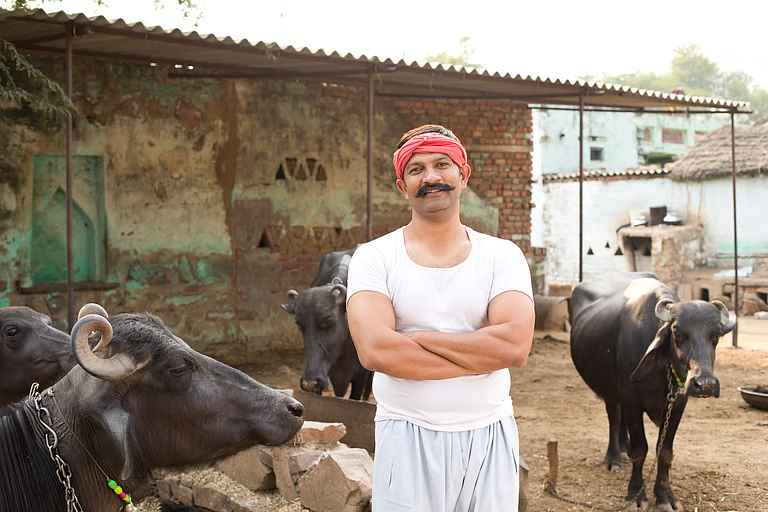
Practical farm-level protocols should cover:
- Clean milking practices and mastitis prevention.
- Vaccination schedules and disease monitoring.
- Controlled movement of animals.
- Calving management and calf hygiene.
- Vector control and manure management.
- Clean water and adequate nutrition.
Veterinarians are equally important to antimicrobial stewardship. Training should cover disease diagnosis, appropriate antibiotic selection, prescription practices, withdrawal periods, treatment records and farmer communication.
Digital tools and accessible training can help veterinarians and cooperatives make responsible antimicrobial use part of routine dairy management.
From antibiotic dependence to prevention-led dairy farming
Reducing antibiotic dependence does not mean denying animals necessary treatment. It means preventing avoidable infections and preserving the effectiveness of existing medicines.
India needs an integrated approach combining enforceable regulation, One Health coordination, improved animal husbandry, resilient breeding, early-detection technologies, evidence-based nutritional interventions, affordable preventive healthcare and stronger cooperative institutions.
By aligning government subsidies, veterinary services, technology and market incentives around animal health, India can work towards more responsible antimicrobial use while protecting farmers’ livelihoods, animal welfare, food safety and public health.
The long-term objective should be clear: healthier dairy animals, fewer preventable infections and antibiotics used responsibly when they are genuinely needed.
Join Our “Dairy & Food Jobs Updates” WhatsApp group
Follow the Agri Jobs Updates channel on WhatsApp:
Disclaimer
I do my best to share reliable and well-researched insights but occasional errors or omissions may slip through. Please view all content as informational.
Stay informed on all the latest news updates
All Agriculture Books Free Download
All Dairy Technology Books Free Download
All Agricultural Engineering Books Free download
All Horticulture Books Free Download
All Fisheries Science Books Free Download
For Daily Update follow us at:
Facebook Telegram Whatsapp Instagram YouTube
The contents are provided free for noncommercial purpose such as teaching, training, research, extension and self learning.
If you are facing any Problem than fill form Contact Us
If you want share any article related Agriculture with us than send at info@agrimoon.com with your contact detail.