Delayed flush seasons, fodder constraints and rising procurement costs highlight the need for climate-resilient dairy operations.
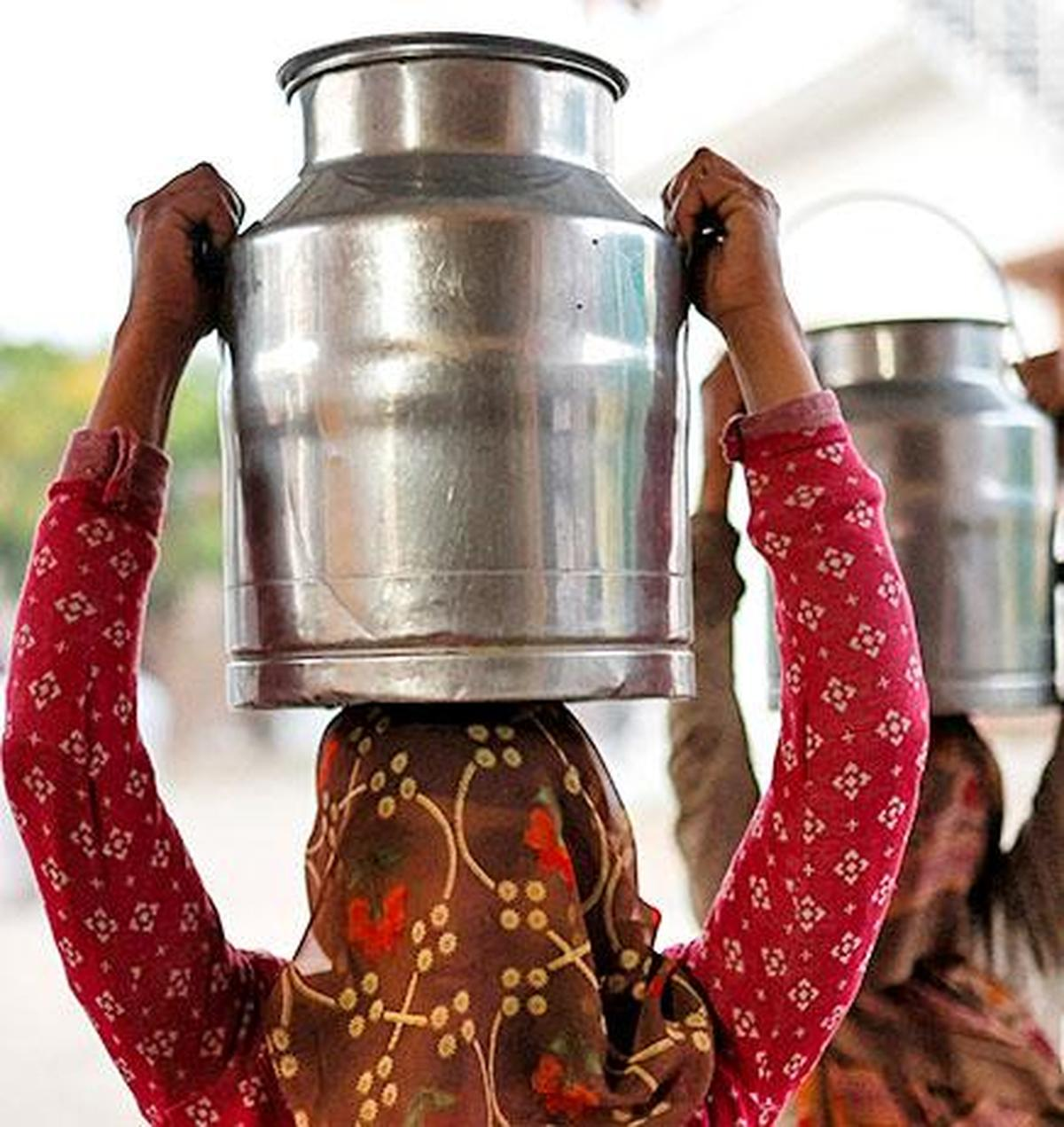
India’s dairy sector, a major pillar of the rural economy, is facing growing challenges from weather variability. Climate conditions associated with El Niño, including higher temperatures and irregular rainfall, can affect fodder availability, livestock water requirements and milk production. These pressures are making seasonal milk procurement less predictable and increasing the need for stronger supply-chain planning.
For dairy farmers, cooperatives and processors, the challenge is no longer limited to increasing milk production. Maintaining consistent supplies during weather-related fluctuations is becoming equally important.
Delayed flush season puts pressure on milk procurement
Higher temperatures, irregular rainfall and reduced fodder availability can affect animal health, feed intake and milk yields. Increased water requirements for livestock and fodder crops can further add to farm-level pressure.
The article reports that the flush season in several major milk-producing regions has been delayed by approximately one and a half months. A shorter flush period can reduce the duration of seasonal milk surplus, while an extended lean period can make procurement more difficult.
The impact is felt across the dairy supply chain. Farmers may experience greater month-to-month variation in milk output and income, particularly where milk sales are their primary source of regular cash flow.
At the next stage, village collection centres may struggle to procure their expected volumes. Dairy processors can then face raw milk shortages, making it more difficult to maintain production schedules and meet market demand.
Rising procurement costs coincide with festive demand
Weather-related supply fluctuations are occurring alongside rising costs of cattle feed, labour and transportation. Dairy processors may therefore have to spend more to procure comparable quantities of milk, putting pressure on operating margins and downstream product costs.
The challenge becomes particularly visible during high-demand periods such as Navratri and Diwali, when consumption of milk, ghee, paneer and traditional sweets increases.
When milk availability does not keep pace with seasonal demand, processors and retailers can face difficulty maintaining adequate inventories. The source account also reports that milk availability in certain markets has fallen below 70% of estimated requirements, although the specific markets, measurement period and data source need to be established.
Such supply-demand gaps can contribute to price increases and affect the availability of dairy products during festive periods.
Farm-level adaptation is essential
Improving climate resilience begins at the farm level. Dairy farmers need timely weather information, better fodder planning and access to alternative feed resources when conventional fodder becomes scarce.
Key areas for intervention include:
- Weather advisories: Providing farmers with timely forecasts to support decisions on feeding, animal care and fodder cultivation.
- Fodder security: Promoting silage, haymaking, fodder banks and drought-tolerant fodder varieties.
- Water management: Improving water conservation, storage and efficient use for livestock and fodder crops.
- Animal management: Strengthening heat-stress management through shade, ventilation, adequate drinking water and appropriate feeding practices.
- Farm support: Improving access to veterinary services, nutrition advice and climate-resilient livestock management practices.
These measures can help reduce production fluctuations and protect farmers’ income during periods of climatic stress.
Dairy processors need more flexible supply-chain planning
Processors also need to adapt their procurement and production strategies to changing seasonal patterns.
Improved milk-production forecasting can help cooperatives and private dairies anticipate shortages and plan procurement more effectively. Flexible sourcing arrangements, stronger coordination with village dairy societies and better logistics can help reduce the impact of regional supply disruptions.
Investment in chilling, refrigerated transportation and cold-chain infrastructure is another important requirement. However, raw milk is highly perishable, and finished-product storage cannot replace adequate milk procurement. Infrastructure planning must therefore address both raw milk preservation and the availability of suitable dairy-product inventories.
Companies may also need to review production schedules, product portfolios and distribution plans ahead of periods when milk availability is expected to decline.
From production growth to climate resilience
India has become the world’s largest milk-producing country through sustained growth in dairy farming, cooperative development and processing infrastructure. The next challenge is to make this production system more resilient to climatic variability.
El Niño does not affect every region or every dairy season in the same way. Its impact depends on local rainfall, temperature, fodder conditions, livestock management and the timing and duration of the climatic event. Nevertheless, weather-related risks underline the importance of preparing for disruptions rather than relying entirely on historical seasonal patterns.
For India’s dairy industry, long-term supply stability will depend on coordinated action across farms, collection networks, cooperatives, processors and distribution systems.
The priority is not only to produce more milk, but also to build a dairy supply chain capable of managing weather shocks while protecting farmers’ livelihoods and maintaining reliable supplies for consumers.
Join Our “Dairy & Food Jobs Updates” WhatsApp group
Follow the Agri Jobs Updates channel on WhatsApp:
Disclaimer
I do my best to share reliable and well-researched insights but occasional errors or omissions may slip through. Please view all content as informational.
Stay informed on all the latest news updates
All Agriculture Books Free Download
All Dairy Technology Books Free Download
All Agricultural Engineering Books Free download
All Horticulture Books Free Download
All Fisheries Science Books Free Download
For Daily Update follow us at:
Facebook Telegram Whatsapp Instagram YouTube
The contents are provided free for noncommercial purpose such as teaching, training, research, extension and self learning.
If you are facing any Problem than fill form Contact Us
If you want share any article related Agriculture with us than send at info@agrimoon.com with your contact detail.