Market growth is expected to accelerate investment in specialised manufacturing, protein-rich dairy products, export-oriented ingredients and cold-chain infrastructure.
India’s domestic dairy market is projected to grow from approximately ₹12 trillion in FY26 to ₹19.6 trillion by FY31, reflecting expanding demand for dairy products and a gradual shift towards processed, value-added and specialised nutrition categories.
Companies including Milky Mist, Parag Milk Foods, Heritage Foods and Mother Dairy are investing in specialised manufacturing facilities and additional processing infrastructure to strengthen their presence in emerging product segments.
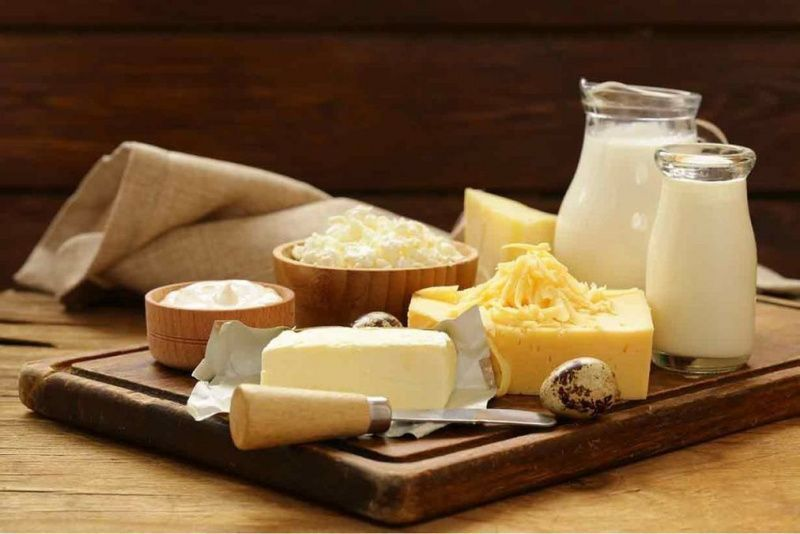
Liquid milk continues to account for a major share of dairy consumption in India. However, processors are increasingly diversifying their portfolios to include Greek yoghurt, Skyr, paneer, cheese, premium ghee and whey-based nutritional products.
Growing consumer interest in protein-rich diets, convenience and differentiated food products is supporting the development of these categories. For manufacturers, value addition offers an opportunity to generate higher revenue from milk, develop distinctive brands and serve consumers with specialised nutritional requirements.
Processors expand beyond conventional dairy products
The changing market is encouraging dairy companies to invest in advanced processing facilities and specialised production technologies.
Established categories such as butter, ghee, cheese and milk powder remain important to the industry. Alongside these products, manufacturers are exploring newer consumer offerings and dairy ingredients for industrial customers, including food manufacturers and nutritional formulation companies.
Specialised equipment can support the production requirements of products such as high-protein dairy foods, fermented products and concentrated milk ingredients. These investments are also intended to improve production consistency, operational efficiency and product quality.
Whey protein and dairy ingredients emerge as export opportunities
Indian dairy companies are also exploring opportunities in international markets for specialised ingredients, including:
- Whey Protein Concentrate (WPC)
- Whey Protein Isolate (WPI)
- Lactose
- Casein
These ingredients are used in food processing, sports nutrition, clinical nutrition and other specialised formulations.
Potential export destinations include the Middle East, Southeast Asia, Africa, Europe and North America. However, market opportunities vary according to local demand, product specifications, regulatory requirements and competition from established international suppliers.
Developing these product categories requires advanced separation and concentration technologies, reliable milk and whey sourcing, consistent raw-material quality and rigorous quality control.
Export competitiveness depends on quality and compliance
Expanding production capacity alone will not guarantee access to international markets. Dairy manufacturers seeking to increase exports must also meet destination-specific food-safety regulations, certification requirements and product standards.
Traceability is particularly important for specialised dairy ingredients. It helps connect the quality of incoming milk and processing inputs with the finished product.
Investment priorities therefore include:
- Advanced processing and ingredient-manufacturing technologies
- Laboratory testing and quality assurance systems
- Traceability across procurement and production
- Export-compliant manufacturing facilities
- Product development and regulatory preparedness
These capabilities will be important for Indian manufacturers seeking to compete with established global suppliers.
Cold-chain infrastructure remains essential
Temperature-controlled storage and transportation are critical to the distribution of many processed dairy products and specialised ingredients.
Maintaining product quality requires coordination across the entire supply chain, beginning with milk collection at the farm and continuing through chilling, processing, packaging, warehousing and distribution.
Cold-chain infrastructure is therefore an important part of the industry’s expansion strategy. Reliable collection networks, refrigerated transportation and modern storage facilities can help processors serve domestic markets while meeting the requirements of export-oriented businesses.
Strengthening milk procurement and farmer linkages
The expansion of specialised dairy manufacturing will also increase the importance of dependable milk procurement systems.
Processors need sufficient quantities of milk with consistent composition and quality. Variations in fat, protein and other milk constituents, along with differences in farm hygiene and collection practices, can affect processing efficiency and final product characteristics.
Stronger coordination with dairy farmers, improved village-level collection infrastructure, quality-based procurement and testing systems can help address these challenges.
The industry’s development will therefore depend on more than investment in factories. It requires an integrated approach connecting farm-level production, milk procurement, processing technology, product innovation and distribution.
Opportunities across the dairy value chain
The projected market expansion could create opportunities for several parts of the dairy ecosystem, including:
- Dairy farmers: Potential demand for consistent-quality milk and stronger procurement arrangements.
- Processors: Opportunities to expand value-added product portfolios and improve returns from milk.
- Ingredient manufacturers: Growth potential in whey proteins, lactose and casein.
- Equipment and technology providers: Demand for specialised processing, separation, concentration and packaging systems.
- Logistics companies: Greater requirements for cold storage and temperature-controlled transportation.
The extent to which these opportunities translate into higher farmer incomes will depend on procurement arrangements, production costs, market demand and how additional value is distributed across the supply chain.
Outlook: Moving towards a more value-added dairy industry
India’s large milk-production base provides an important foundation for the development of processed dairy products and specialised ingredients. However, competing in premium domestic and international markets will require consistent quality, advanced manufacturing capabilities, efficient logistics and stronger supply-chain integration.
The projected growth from ₹12 trillion in FY26 to ₹19.6 trillion by FY31 points to the potential scale of India’s dairy market. The next phase of industry development is likely to involve greater diversification beyond conventional liquid milk, with specialised nutrition, dairy ingredients and export-oriented manufacturing receiving increased attention.
Join Our “Dairy & Food Jobs Updates” WhatsApp group
Follow the Agri Jobs Updates channel on WhatsApp:
Disclaimer
I do my best to share reliable and well-researched insights but occasional errors or omissions may slip through. Please view all content as informational.
Stay informed on all the latest news updates
All Agriculture Books Free Download
All Dairy Technology Books Free Download
All Agricultural Engineering Books Free download
All Horticulture Books Free Download
All Fisheries Science Books Free Download
For Daily Update follow us at:
Facebook Telegram Whatsapp Instagram YouTube
The contents are provided free for noncommercial purpose such as teaching, training, research, extension and self learning.
If you are facing any Problem than fill form Contact Us
If you want share any article related Agriculture with us than send at info@agrimoon.com with your contact detail.