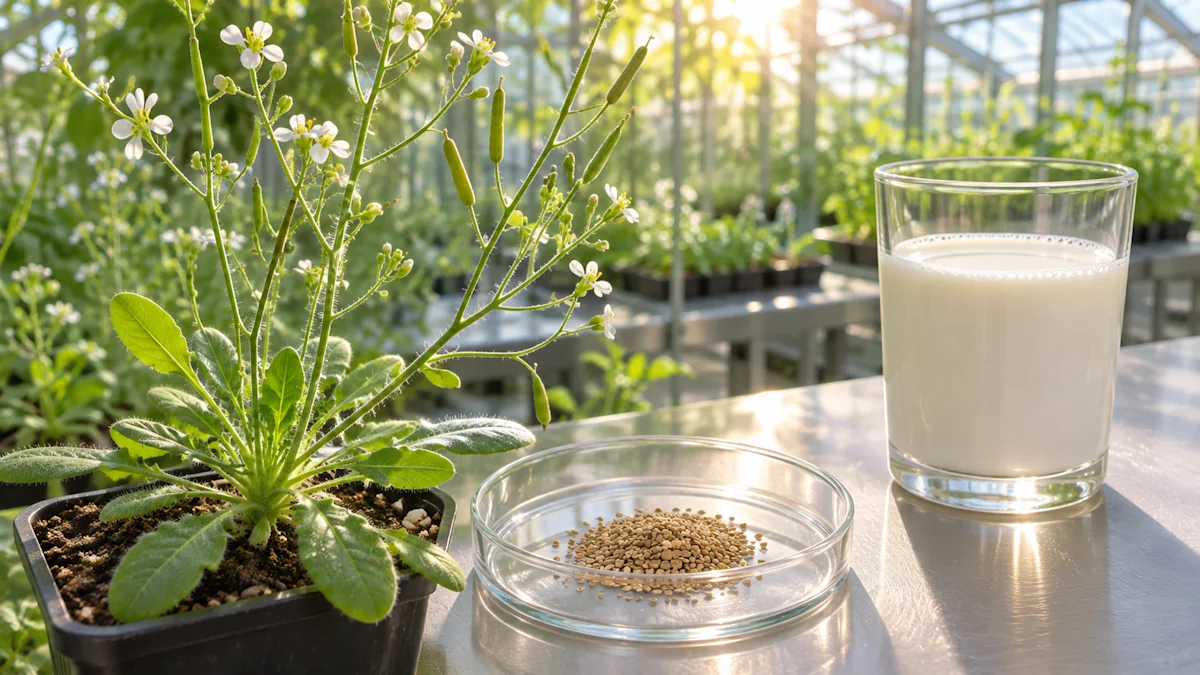
Hebrew University of Jerusalem research explores plant molecular farming as an alternative platform for producing functional dairy proteins.
JERUSALEM: Scientists at the Hebrew University of Jerusalem have demonstrated that genetically engineered plant seeds can produce bovine β-casein, one of the major proteins found in cow’s milk. The research offers a potential new approach to producing dairy proteins without relying directly on livestock.
The study demonstrates that plants can produce the milk protein and reveals an unexpected mechanism through which it accumulates inside seed cells. The findings could contribute to the development of plant-based production systems for dairy ingredients, although commercial-scale application remains a longer-term objective.
Why β-casein matters in dairy production
Caseins are the major group of proteins in bovine milk and play an important role in the structure and functionality of dairy products. They contribute to milk’s composition and influence the processing characteristics of products such as cheese and yoghurt.
β-casein is one of the principal casein fractions and accounts for approximately one-third of the casein protein group in bovine milk. Its functional properties contribute to the formation and behaviour of casein structures in dairy systems.
Producing caseins through alternative biological platforms is of interest because many existing plant-based milk alternatives do not naturally contain the same proteins responsible for the characteristic functionality of conventional dairy products.
Using plants as protein-production systems
The research team, led by Professor Oded Shoseyov, used an approach known as plant molecular farming. This technology involves engineering plants to produce specific proteins that are normally obtained from other biological sources.
Researchers introduced the gene responsible for bovine β-casein into plant seeds, enabling them to produce the milk protein.
To improve its accumulation and storage, the researchers linked β-casein to oleosin, a plant protein naturally associated with oil bodies. Oil bodies are small lipid-storage structures found in seeds.
The strategy was intended to direct the engineered protein towards a stable storage environment within plant cells.
Unexpected protein storage structures discovered
One of the significant findings was that the engineered β-casein did not accumulate exactly where the researchers had initially expected.
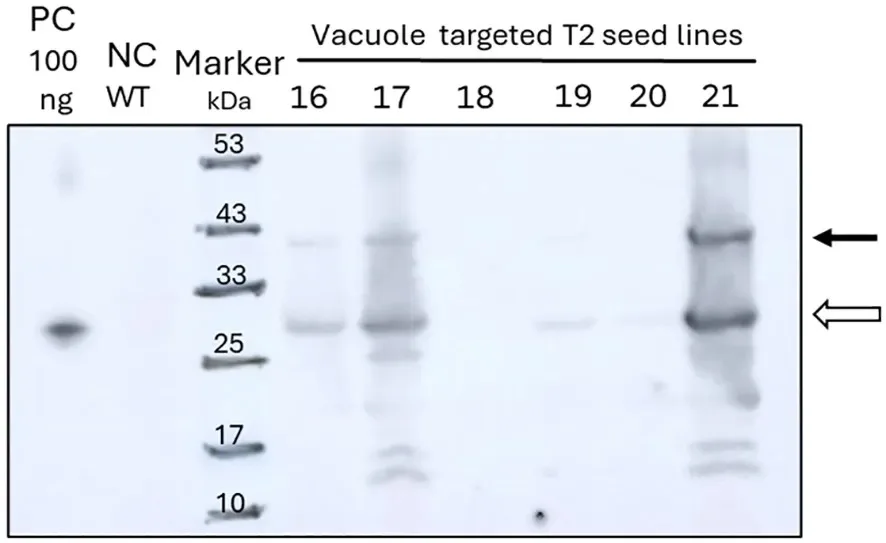
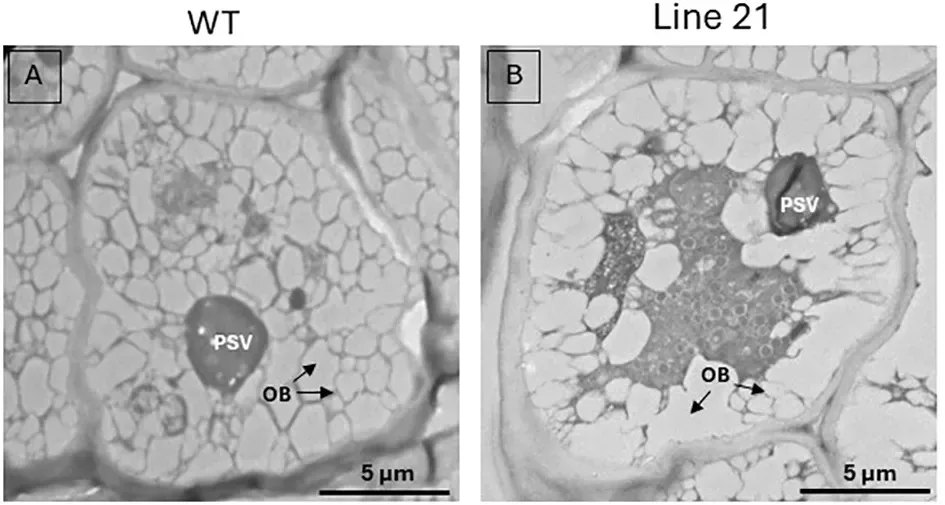
The team had anticipated that the protein would be stored in cellular compartments known as vacuoles. Instead, advanced imaging revealed dense protein-rich structures associated with small oil bodies inside the seeds.
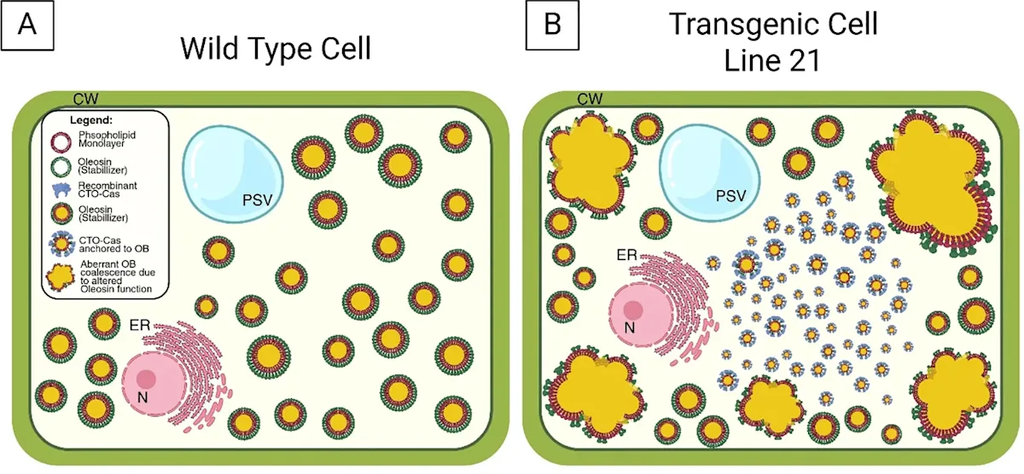
According to the researchers, the protein appeared to form its own storage arrangement rather than following the intended intracellular pathway.
Professor Shoseyov described the discovery as an example of how biological systems can produce unexpected solutions. The research team observed structures resembling aspects of the organisation of natural casein micelles found in milk.
This observation is scientifically relevant because the functionality of caseins depends not only on their individual protein composition but also on how they organise into larger structures.
However, structural resemblance alone does not establish that the plant-produced protein has the same technological performance as native milk casein.
Protein production reaches 1.26% of total soluble protein
The researchers evaluated different engineered plant designs to identify those that produced the highest levels of β-casein.
The best-performing seeds accumulated β-casein at approximately 1.26% of total soluble protein.
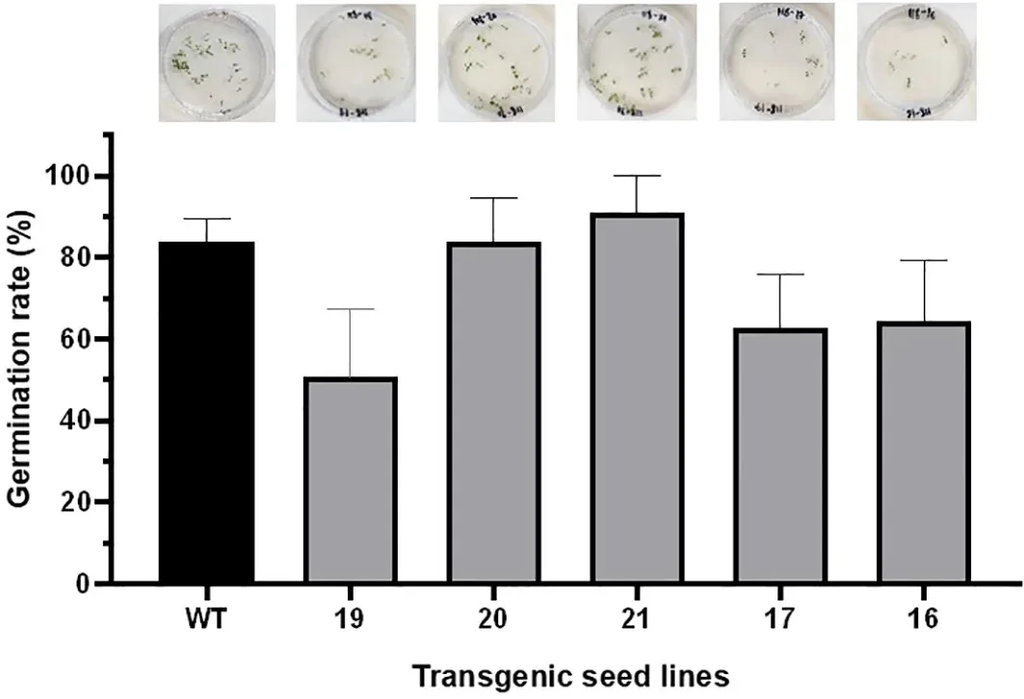
The research also reported that the engineered plants retained healthy growth and good seed germination rates, suggesting that the protein-production system did not substantially disrupt seed development under the conditions studied.
The reported percentage represents β-casein as a proportion of total soluble protein. It should not be interpreted as 1.26% of seed weight or as a commercial protein yield.
Research moves towards safflower cultivation
The initial work used a model plant commonly employed in laboratory research. The team has also extended the approach to safflower, an oilseed crop that can grow in relatively hot and dry conditions.
Safflower could offer a potential agricultural platform for producing specialised proteins, particularly in regions where environmental conditions make other production systems less suitable.
However, the transition from experimental plants to agricultural-scale production will require further evaluation of protein accumulation, crop performance, harvesting, extraction and processing economics.
Potential applications in dairy and food manufacturing
If the technology can be scaled successfully, plant-produced β-casein could become a potential ingredient for the food industry.
Its possible applications include:
- Cheese manufacturing: Caseins are central to the structure and processing behaviour of many cheese varieties.
- Dairy-style beverages: Functional casein ingredients could help improve the protein composition and physical properties of alternative beverages.
- Yoghurt and fermented products: Further research could evaluate their behaviour in fermentation and gel formation.
- Specialised food ingredients: Plant molecular farming could provide another production route for proteins with specific nutritional or technological functions.
The research is particularly relevant to the development of precision fermentation and molecular farming alternatives, although these technologies use different production systems.
Commercial and regulatory challenges remain
Despite the scientific progress, several challenges must be addressed before plant-produced β-casein can become a commercially viable food ingredient.
1. Increasing production yields: The reported accumulation level will need to improve substantially, or be supported by an economically viable production process, to compete with established protein-production systems.
2. Extraction and purification: Researchers must develop efficient methods to recover β-casein from seeds while maintaining its functional properties and meeting food-grade purity requirements.
3. Functional performance: The protein must be evaluated for solubility, emulsification, heat stability, calcium interactions, gel formation and cheese-making performance.
4. Food safety and regulatory approval: Genetically engineered production systems will require appropriate safety assessments, ingredient characterisation and regulatory clearances in target markets.
5. Consumer acceptance: Clear labelling and communication will be important for products made using genetically engineered plants, particularly in markets where consumer perceptions of biotechnology vary.
What the research means for the dairy industry
The study represents an early scientific step towards producing specific dairy proteins through plant-based biological systems. Unlike conventional plant-based beverages, which generally use proteins from crops such as soy, oats or peas, this approach aims to produce an actual bovine milk protein without obtaining it directly from cows.
For dairy processors, ingredient manufacturers and food-technology companies, the development is worth monitoring because casein functionality is central to several high-value dairy applications.
Nevertheless, the technology is not yet a replacement for conventional milk production. Its commercial relevance will depend on improvements in yield, processing efficiency, regulatory acceptance and demonstrated performance in real food products.
The broader significance is that plants may become another platform for manufacturing specialised dairy proteins. If future research can overcome the production and processing challenges, plant molecular farming could add a new dimension to the global dairy ingredients industry.
Join Our “Dairy & Food Jobs Updates” WhatsApp group
Follow the Agri Jobs Updates channel on WhatsApp:
Disclaimer
I do my best to share reliable and well-researched insights but occasional errors or omissions may slip through. Please view all content as informational.
Stay informed on all the latest news updates
All Agriculture Books Free Download
All Dairy Technology Books Free Download
All Agricultural Engineering Books Free download
All Horticulture Books Free Download
All Fisheries Science Books Free Download
For Daily Update follow us at:
Facebook Telegram Whatsapp Instagram YouTube
The contents are provided free for noncommercial purpose such as teaching, training, research, extension and self learning.
If you are facing any Problem than fill form Contact Us
If you want share any article related Agriculture with us than send at info@agrimoon.com with your contact detail.