Study warns emissions could rise further under business-as-usual scenario
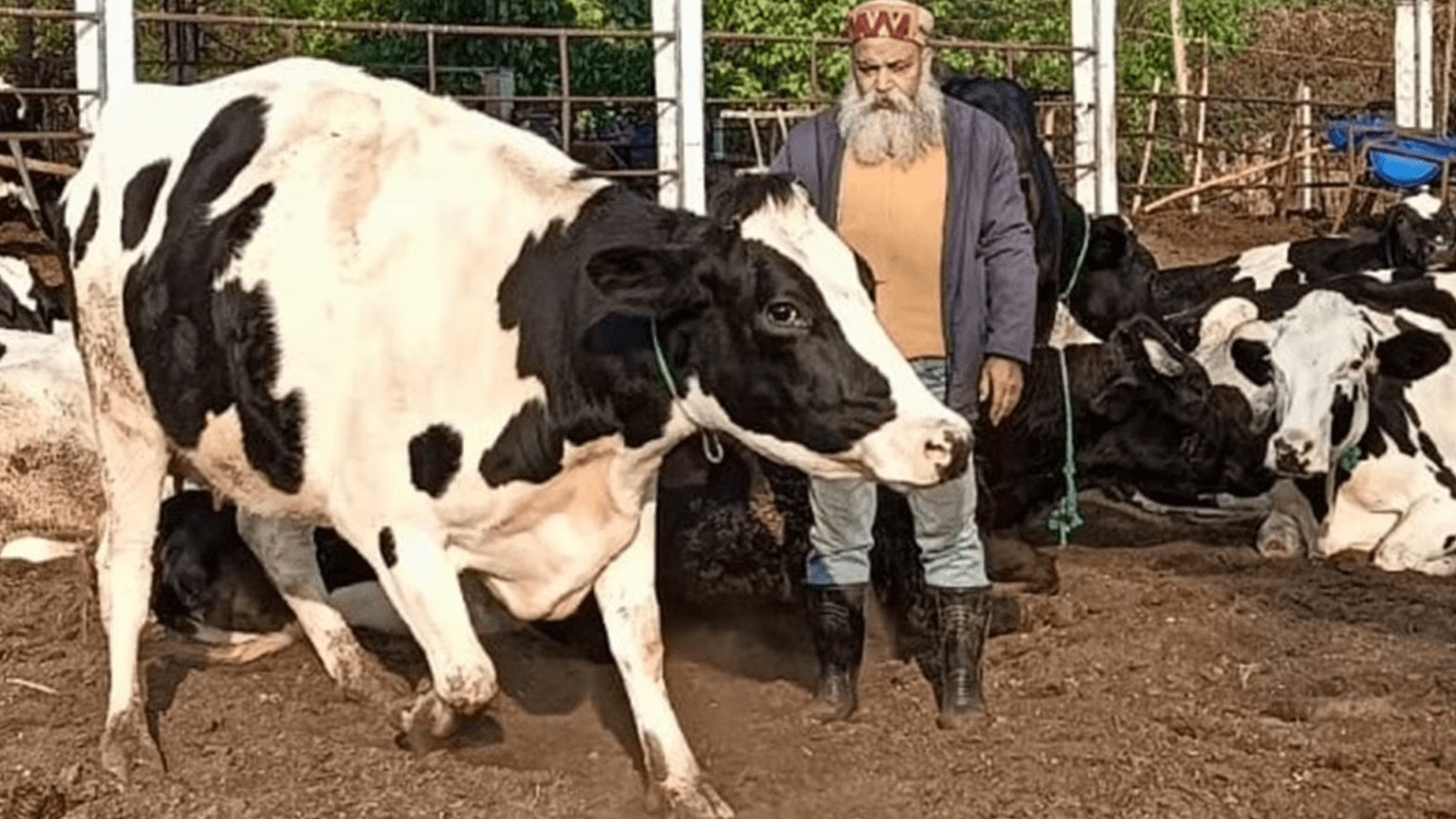
The livestock and dairy sector contributes more than 85% of Himachal Pradesh’s annual methane emissions, according to a new scientific assessment that cautions the situation may worsen without targeted intervention.
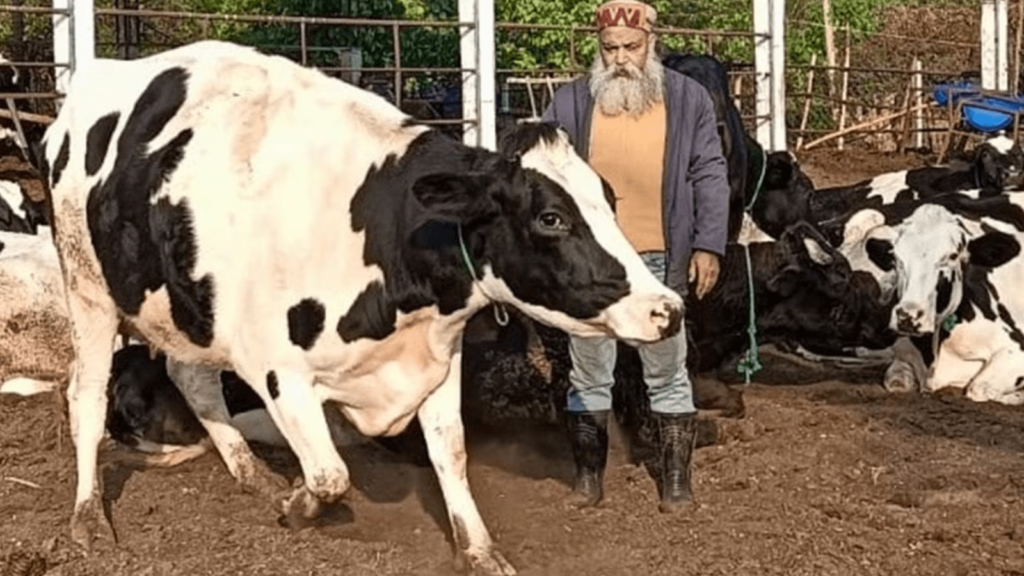
The findings are detailed in a report titled “Scientific Assessment of Tackling Non-CO2 Emissions: Pathways for Himachal Pradesh”, released on February 24. The study identifies livestock—primarily cows and buffaloes—as the dominant source of methane emissions in the state, with the remaining 15% attributed to landfill sites, waste management, and related sectors.
Joint Study by IGSD, TERI and State Government
The report was jointly prepared by the Institute for Governance and Sustainable Development (IGSD), The Energy and Resources Institute (TERI), and the Himachal Pradesh Department of Environment, Science and Technology.
The assessment uses 2019 as the baseline year, aligning with national climate accounting practices.
“Livestock contributes nearly 85% of annual methane emissions in the baseline year, and emissions are projected to continue rising under a Business-As-Usual (BAU) scenario,” the report states.
Why Livestock Dominates in Himachal
Dr Nimish Singh, Director (Science) at IGSD, explained that Himachal’s unique agricultural profile explains the high share of livestock-related methane.
Unlike states such as Punjab and Haryana, where paddy cultivation is a major methane source, Himachal has limited paddy production, mostly confined to plains bordering those states. As a result, enteric fermentation from dairy animals becomes the primary emission driver.
The study includes only cows and buffaloes in its methane accounting. Goats, sheep, and pigs—though widely reared in higher-altitude regions—were not included in this specific livestock emission category.
Biological Cycle Influences Emissions
Data from the Himachal Pradesh Animal Husbandry Department indicates that nearly 6.5 lakh cows and buffaloes become pregnant annually. These animals remain in lactation for six to seven months during pregnancy, followed by a dry period of about three months—a biological cycle that significantly affects methane production through enteric fermentation.
Mitigation Pathways Proposed
The report outlines practical policy measures aimed at reducing methane intensity without compromising farmer livelihoods. Recommendations include:
- Expanding balanced fodder programmes
- Improving feed quality through silage and fodder banks
- Scaling up household and community biogas plants
- Integrating indigenous cattle conservation with productivity enhancement
- Leveraging the state’s milk Minimum Support Price framework to improve farmer incomes while lowering emission intensity
According to projections, balanced feeding practices alone could reduce methane emissions by around 12%, while a combined strategy—including improved fodder management and breed conservation—could achieve reductions of up to 27%.
Read More: ₹300-Crore Dairy Feed Plant Inaugurated in Mandi Gobindgarh
However, even under mitigation scenarios, livestock is expected to remain the dominant source of methane emissions in the state.
Methane: A High-Impact Greenhouse Gas
Methane is a colorless, highly flammable greenhouse gas with more than 80 times the warming potential of carbon dioxide over a 20-year period, making it a critical target for rapid climate action.
At the national level, livestock contributes nearly 48% of India’s total agricultural methane emissions, with 100 out of 721 districts accounting for roughly 40% of the burden.
The report underscores that for Himachal Pradesh, climate action in the livestock and dairy sector will be central to meeting broader environmental and sustainability goals.
Join Our “Dairy & Food Jobs Updates” WhatsApp group
Follow the Agri Jobs Updates channel on WhatsApp:
Disclaimer
I do my best to share reliable and well-researched insights but occasional errors or omissions may slip through. Please view all content as informational.
Stay informed on all the latest news updates
All Agriculture Books Free Download
All Dairy Technology Books Free Download
All Agricultural Engineering Books Free download
All Horticulture Books Free Download
All Fisheries Science Books Free Download
For Daily Update follow us at:
Facebook Telegram Whatsapp Instagram YouTube
The contents are provided free for noncommercial purpose such as teaching, training, research, extension and self learning.
If you are facing any Problem than fill form Contact Us
If you want share any article related Agriculture with us than send at info@agrimoon.com with your contact detail.