
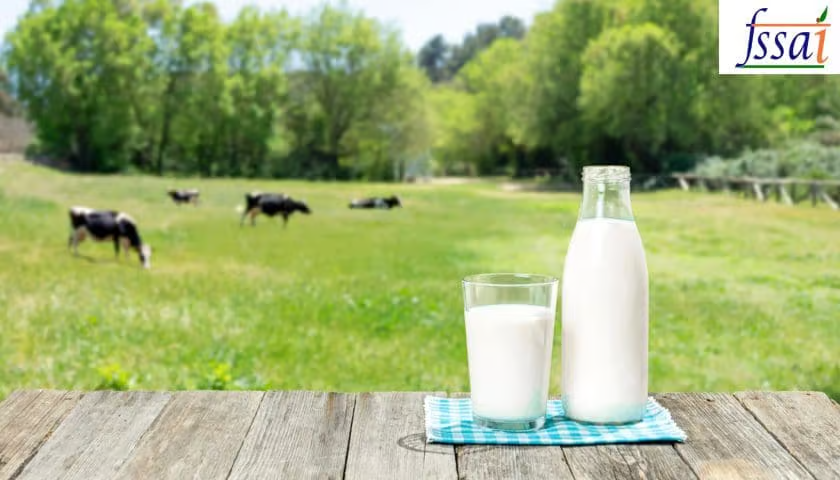
New Delhi: In a strong move against misinformation, the Food Safety and Standards Authority of India has launched criminal proceedings against several social media influencers for allegedly spreading misleading and unverified claims about the safety of milk in India.
The regulator has filed multiple First Information Reports (FIRs), accusing influencers of circulating “baseless and malicious” content that questions the quality of both branded and unbranded milk. According to officials, such content often relies on pseudo-scientific assertions—including claims of urea, detergent, or neutraliser contamination—without any credible laboratory evidence.
Crackdown on ‘Fear-Mongering’ Content
The move marks a significant escalation in FSSAI’s efforts to curb digital misinformation, which it says can:
- Trigger unnecessary public panic
- Undermine trust in the dairy sector
- Damage India’s reputation as the world’s largest milk producer
Officials warned that using sensational content for online engagement will now carry legal consequences, signaling stricter enforcement in the digital space.
Industry Backs Regulatory Action
The crackdown has found support within the dairy industry. Major cooperatives like the Karnataka Milk Federation, known for its Nandini brand, have also threatened legal action against what they term “misinfluencers” to safeguard consumer trust and market stability.
Real Concerns vs Misinformation
While FSSAI maintains that Indian milk is largely safe, the issue of milk quality remains complex. Recent incidents have highlighted genuine concerns:
- In February 2026, 16 deaths in Andhra Pradesh were linked to milk allegedly contaminated with toxic substances like ethylene glycol
- National surveys indicate that while dangerous adulteration is relatively low, quality non-compliance (fat and SNF levels) is still common, especially in the unorganised sector
Organised vs Unorganised Sector Divide
A major challenge lies in the structure of India’s dairy industry:
- The organised sector (cooperatives and private dairies) largely follows strict FSSAI standards
- The unorganised sector, which handles nearly 60% of milk supply, remains fragmented and harder to regulate
This divide has contributed to a growing trust gap among consumers.
Mandatory Registration Push
The legal action follows a recent FSSAI advisory mandating that all milk vendors and producers outside cooperative networks must obtain registration or licensing before continuing operations. The move aims to bring more players under regulatory oversight and improve traceability.
Read More: ₹34.18 Crore Monthly Benefit for Milk Producers: Himachal CM Highlights Dairy Push
Balancing Regulation and Transparency
The development underscores a critical balancing act: while the government seeks to clamp down on misinformation, it must also address legitimate concerns around milk quality and strengthen monitoring systems—especially in the unorganised sector.
For India’s dairy industry, the battle is no longer just about production—it’s about credibility, transparency, and consumer trust in the digital age.
Join Our “Dairy & Food Jobs Updates” WhatsApp group
Follow the Agri Jobs Updates channel on WhatsApp:
Disclaimer
I do my best to share reliable and well-researched insights but occasional errors or omissions may slip through. Please view all content as informational.
Stay informed on all the latest news updates
All Agriculture Books Free Download
All Dairy Technology Books Free Download
All Agricultural Engineering Books Free download
All Horticulture Books Free Download
All Fisheries Science Books Free Download
For Daily Update follow us at:
Facebook Telegram Whatsapp Instagram YouTube
The contents are provided free for noncommercial purpose such as teaching, training, research, extension and self learning.
If you are facing any Problem than fill form Contact Us
If you want share any article related Agriculture with us than send at info@agrimoon.com with your contact detail.