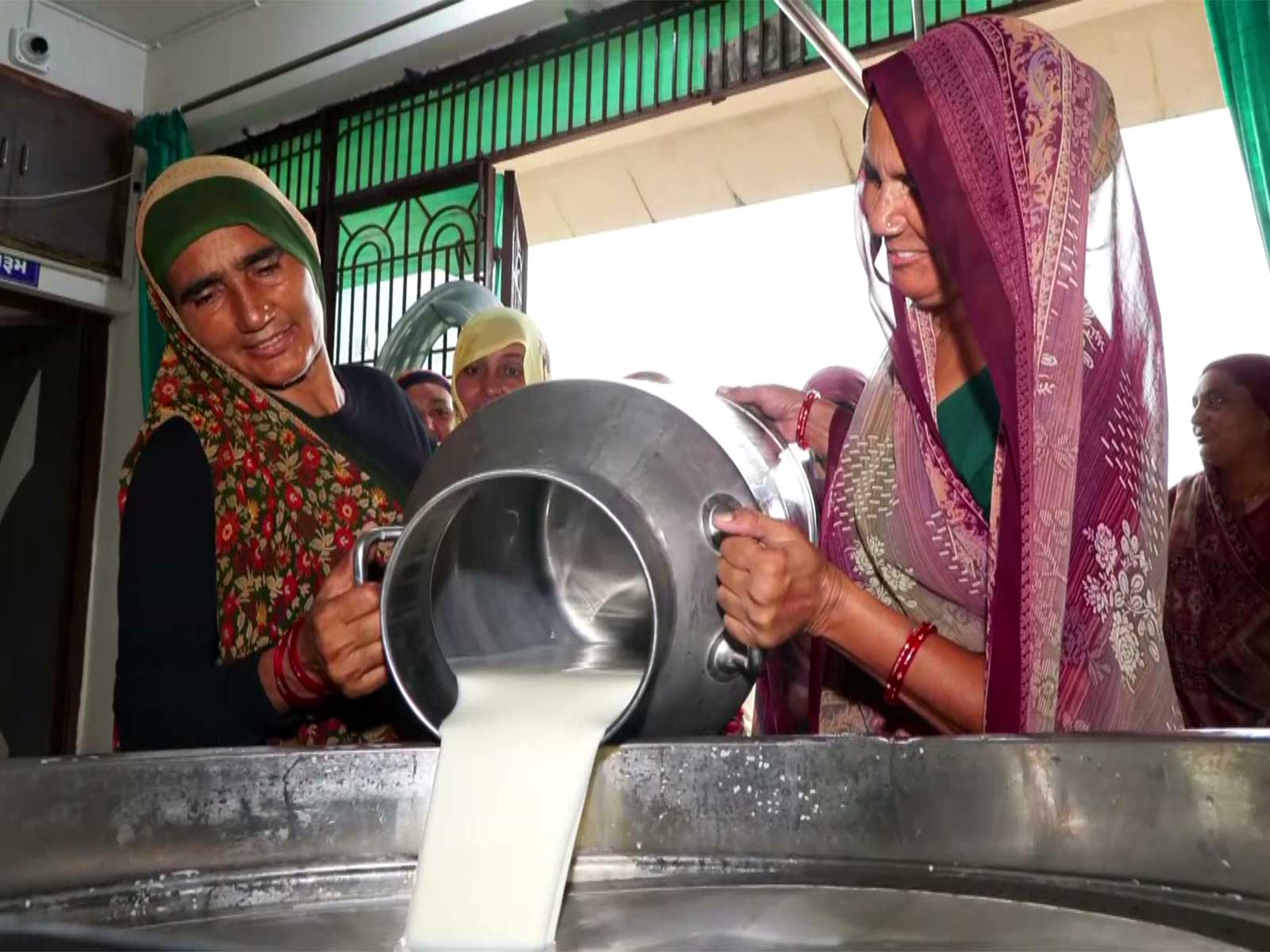
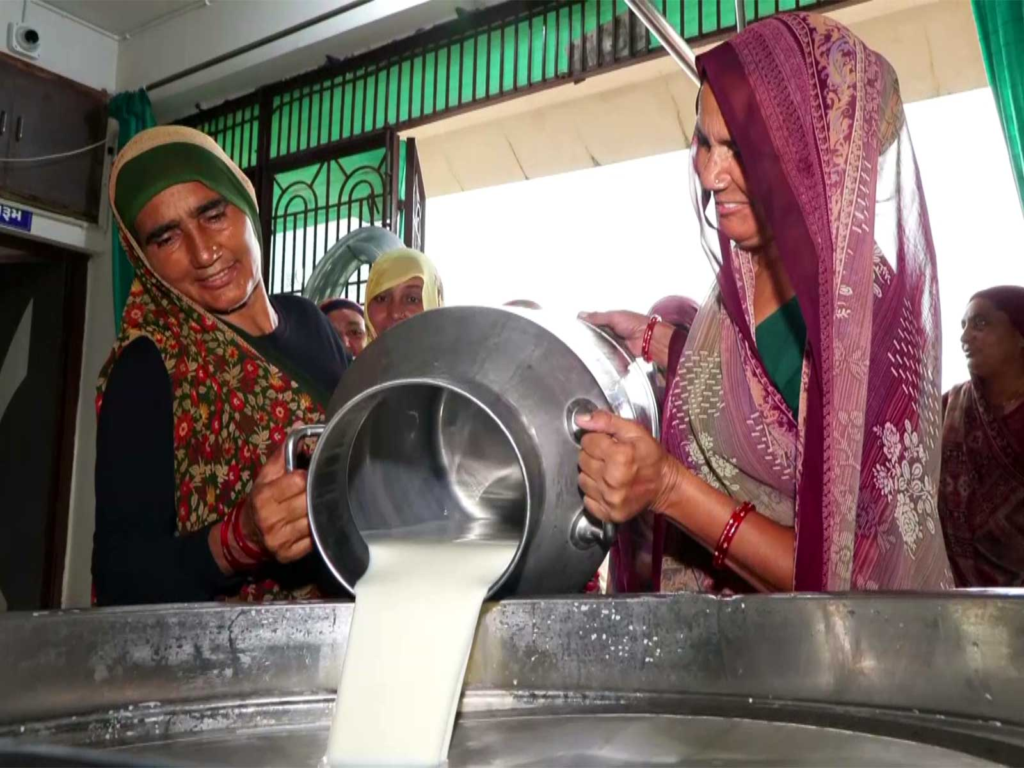
AHMEDABAD: Women are taking on an increasingly important role in Gujarat’s dairy cooperative movement, moving beyond traditional participation in milk production to become collectors, quality testers, managers and decision-makers within village-level dairy societies.
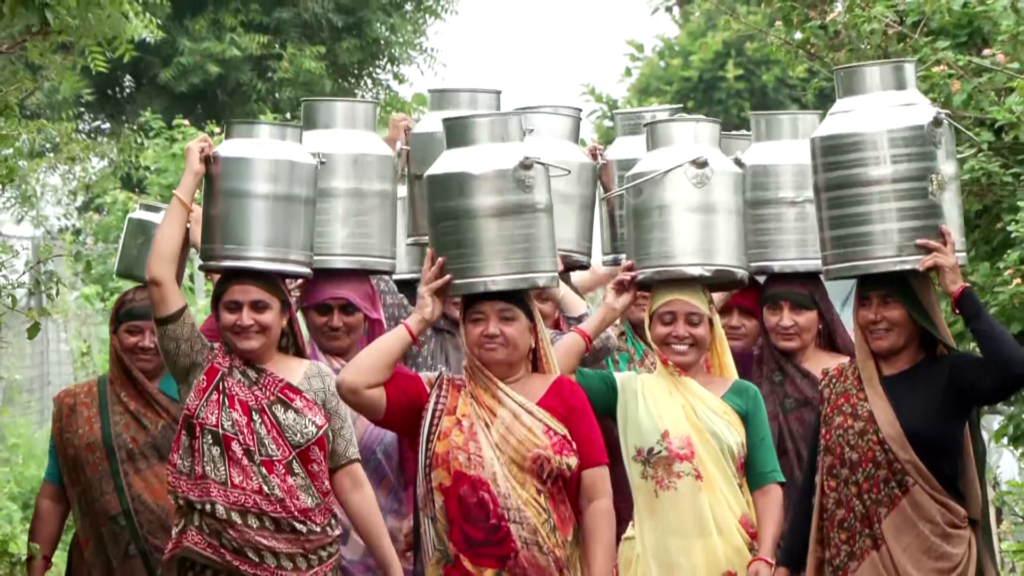
Over the past five years, the number of women-led dairy cooperative societies in Gujarat has increased by 21% to 4,562, creating greater opportunities for rural women to participate directly in the state’s organised dairy economy.
The shift is particularly visible in Banaskantha, one of Gujarat’s major milk-producing districts.
Women-run cooperative collects 2,000 litres a day
At the Harsiddhnagar Mahila Doodh Utpadak Sahakari Mandali in Banaskantha, women manage the cooperative’s day-to-day operations.
The society collects, tests and dispatches approximately 2,000 litres of milk every day to Banas Dairy.
Leelaben Chaudhary, secretary of the cooperative, said timely payments from Banas Dairy have helped women members meet household expenses and gain access to various facilities.
She also highlighted the importance of milk testing and digital operations. According to her, women with computer skills are efficiently managing records and other technology-enabled processes at the cooperative.
For members, the benefits extend beyond income.
Dairy farmer Madhuben Judal said the establishment of the women-run cooperative closer to the village has made milk delivery significantly easier. Women who previously hesitated to travel to Gaumod Dairy can now deliver milk at a nearby collection point.
Women account for one-third of Gujarat’s dairy producers
The growing role of women is visible across the state’s cooperative dairy sector.
Of Gujarat’s approximately 3.6 million dairy producers, nearly 1.2 million are women.
Women-managed cooperatives now procure around 5.7 million litres of milk per day, representing a 39% increase over the past five years.
The growth has also translated into higher economic activity. Daily revenue generated through these women-led cooperative operations has reportedly increased from around ₹17 crore to ₹25 crore, while annual turnover has crossed ₹6,000 crore.
Approximately 80,000 women are involved in managing primary dairy cooperative societies across the state.
Direct payments strengthen financial participation
The impact of women’s participation is particularly significant when income from milk sales reaches producers directly.
Ramilaben Chaudhary, a board member of Banas Dairy, said women’s leadership has contributed significantly to the expansion of milk procurement in Banaskantha.
Also Read: The Milk Revolution: How India Built a Dairy System From the Village Up
Banas Dairy’s milk procurement has crossed 10 million litres per day, with around 198,000 women receiving income and milk payments directly into their bank accounts, according to her.
Direct payments can strengthen women’s financial participation by giving them greater visibility and control over income generated from livestock and dairy activities.
From milk collection to cooperative leadership
The transformation is therefore taking place at multiple levels.
Women are increasingly involved in:
- milk production and animal management;
- milk collection;
- fat and quality testing;
- computerised record management;
- cooperative administration;
- decision-making and governance; and
- financial management.
This expansion of responsibility is important for the long-term sustainability of India’s cooperative dairy model. When women who are directly involved in livestock management also participate in the institutions that procure and market their milk, the distance between production and decision-making becomes smaller.
Gujarat’s experience demonstrates that women’s participation in dairying is no longer limited to supplying milk to cooperatives.
They are increasingly becoming the people who run them.
The rise of women-led dairy societies could therefore have implications beyond milk procurement, supporting rural employment, household income, financial inclusion, digital literacy and women’s leadership across Gujarat’s dairy economy.
Join Our “Dairy & Food Jobs Updates” WhatsApp group
Follow the Agri Jobs Updates channel on WhatsApp:
Disclaimer
I do my best to share reliable and well-researched insights but occasional errors or omissions may slip through. Please view all content as informational.
Stay informed on all the latest news updates
All Agriculture Books Free Download
All Dairy Technology Books Free Download
All Agricultural Engineering Books Free download
All Horticulture Books Free Download
All Fisheries Science Books Free Download
For Daily Update follow us at:
Facebook Telegram Whatsapp Instagram YouTube
The contents are provided free for noncommercial purpose such as teaching, training, research, extension and self learning.
If you are facing any Problem than fill form Contact Us
If you want share any article related Agriculture with us than send at info@agrimoon.com with your contact detail.