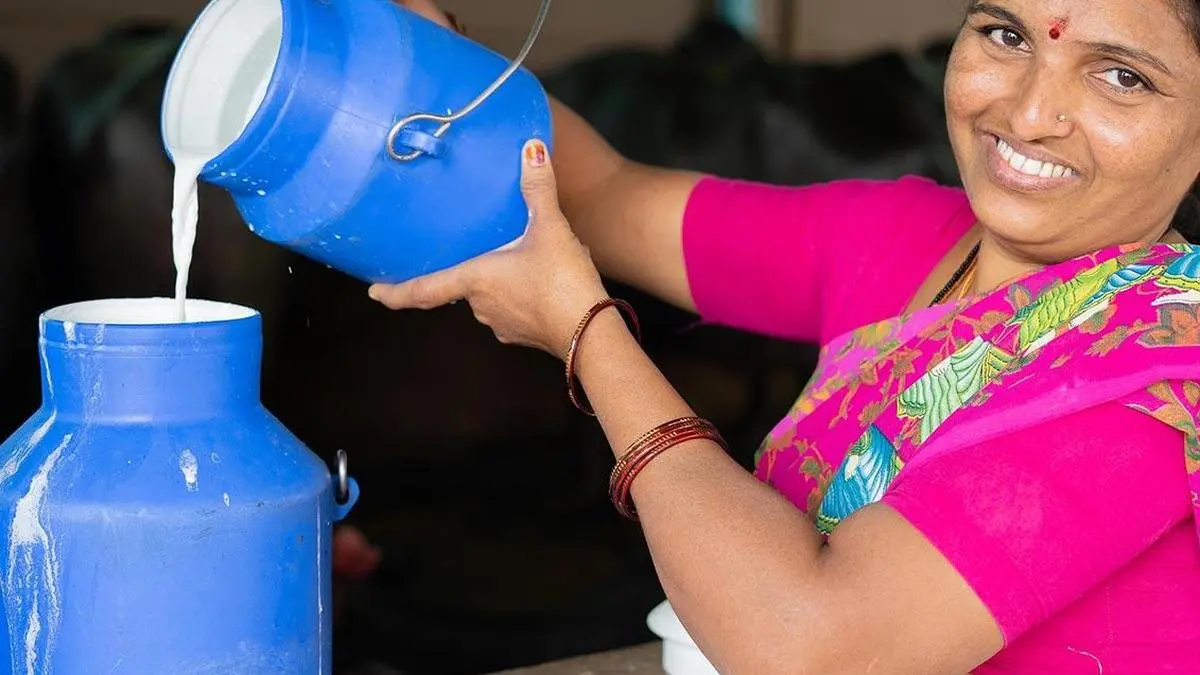
India’s next dairy-sector milestone should focus not only on milk production, but also on preserving product value through better cold-chain management, demand forecasting and inventory control.
India produced 247.87 million tonnes of milk in 2024–25, accounting for nearly a quarter of global output. Yet production volume tells only part of the story. An equally important question is how much of that milk’s value is preserved along the journey from farm to consumer.
Milk is perishable, and dairy wastage extends beyond products that visibly spoil. It includes shelf life lost through temperature fluctuations, ageing inventory in warehouses and dark stores, discounting near expiry, avoidable returns and working capital tied up in stock that does not match demand.
By the time a product is discarded, the industry has already invested in procurement, processing, packaging, energy and transportation. The hidden cost of wastage is therefore not merely operational; it can weaken the economics of the entire dairy value chain.
The cold chain is the first line of defence
An effective cold chain begins with prompt chilling after milk collection and continues through processing, storage, transportation, distribution and retail. Temperature deviations at any stage can compromise product quality and shorten the effective selling window.
Temperature control is therefore a shared responsibility that extends beyond the dairy factory gate. Processors, logistics providers, distributors, retailers and quick-commerce platforms all have a role in maintaining appropriate handling conditions.
Food-safety requirements for temperature-controlled handling, storage and transportation of perishable products, including paneer and khoa, must be followed throughout the supply chain. Consistent implementation can also help preserve freshness, reduce losses and safeguard consumer confidence.
As organised retail and quick commerce expand, last-mile handling deserves particular attention. A distributor’s cold room, a dark store or the journey to the consumer can become vulnerable points when temperature monitoring and accountability are inconsistent.
The priority should be end-to-end temperature discipline, reliable monitoring and clear responsibility at every handover.
Inventory must follow demand, not the other way around
Better refrigeration alone will not eliminate wastage. Dairy businesses also need more accurate demand forecasting and agile inventory management.
Different dairy products require different planning strategies. Liquid milk typically moves through high-frequency distribution channels, while curd, paneer and yogurt have distinct shelf-life characteristics and demand patterns. Ghee, butter and milk powder generally offer longer storage periods and can provide greater flexibility in managing seasonal milk availability, subject to processing capacity and market demand.
Also Read: Bihar Targets 5 Million Milk Producers Through ‘Sudha Sakhi’ Initiative for JEEViKA Women
The objective is not simply to minimise inventory. It is to hold the right inventory, in the right location, for the right duration.
Achieving this requires integrating store-level sales data, seasonal trends, festivals and weather patterns with milk procurement, production and distribution plans. Better coordination can reduce overproduction, limit stock accumulation in slower-selling locations and improve product availability where demand is stronger.
Batch-level visibility and first-expiry-first-out (FEFO) rotation should extend beyond factories to distributors, modern retail outlets and quick-commerce platforms. FEFO prioritises the dispatch or sale of products with the earliest expiry dates, helping businesses manage remaining shelf life more effectively.
For value-added dairy products, delivering products with at least 75% of their declared shelf life remaining could serve as an internal freshness benchmark wherever operationally appropriate. The target should be adapted to product type, distribution distance and customer requirements; it should not be treated as a universal regulatory requirement.
Flexible manufacturing can help manage seasonal surpluses
Flexible manufacturing offers another way to reduce avoidable losses. Where technology, processing capacity, product specifications and market demand permit, dairy processors can adjust the allocation of milk between liquid products, cultured dairy, fat products and powders.
This flexibility can help manage seasonal fluctuations in milk availability and reduce pressure to sell surplus products at distressed prices or accumulate inventory beyond expected demand.
However, product conversion is not a standalone solution. It depends on suitable equipment, quality controls, storage infrastructure and a viable market for the resulting products. Production decisions must therefore remain closely linked to demand forecasts and inventory data.
The greatest opportunity lies in connecting three capabilities: an effective cold chain, accurate demand sensing and disciplined inventory rotation. Each reinforces the others, helping businesses balance product availability with lower wastage.
Turning efficiency into shared value
Reducing dairy wastage can deliver benefits across the value chain. Better inventory turnover can release working capital, reduce returns and disposal costs, protect product quality and improve the value realised from every litre of milk procured.
These efficiencies can create greater scope for investment in farmer linkages, innovation and consumer affordability. They can also help businesses make better use of the resources already committed to procurement, processing and distribution.
India has demonstrated its ability to produce milk at scale. The next measure of progress should be how effectively the industry preserves that milk’s value—from the farm to the consumer.
Join Our “Dairy & Food Jobs Updates” WhatsApp group
Follow the Agri Jobs Updates channel on WhatsApp:
Disclaimer
I do my best to share reliable and well-researched insights but occasional errors or omissions may slip through. Please view all content as informational.
Stay informed on all the latest news updates
All Agriculture Books Free Download
All Dairy Technology Books Free Download
All Agricultural Engineering Books Free download
All Horticulture Books Free Download
All Fisheries Science Books Free Download
For Daily Update follow us at:
Facebook Telegram Whatsapp Instagram YouTube
The contents are provided free for noncommercial purpose such as teaching, training, research, extension and self learning.
If you are facing any Problem than fill form Contact Us
If you want share any article related Agriculture with us than send at info@agrimoon.com with your contact detail.