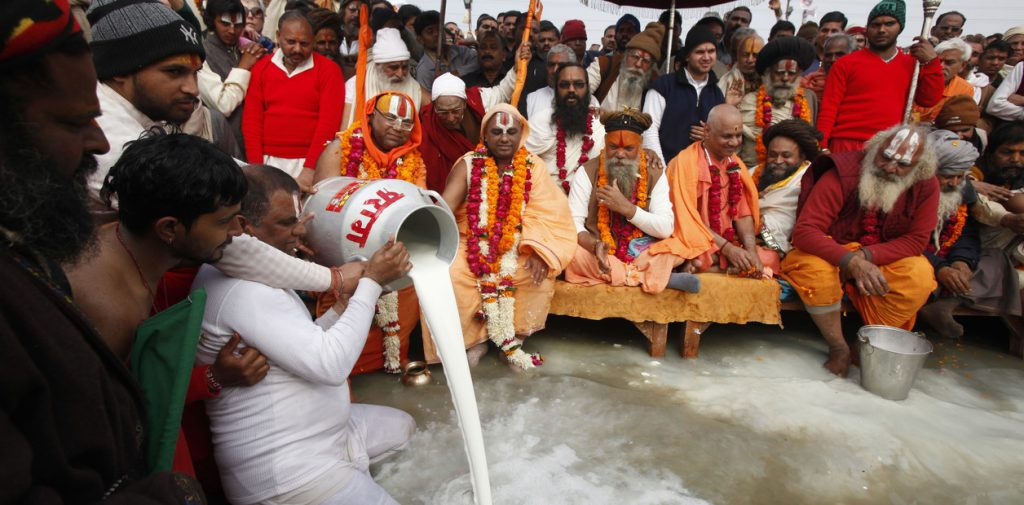
India has long been the Fort Knox of global dairy markets — nearly impossible to penetrate, heavily shielded by tariffs, and built on the backbone of 8 crore small dairy farmers. But the fortress is showing cracks.
1. Global Trade Pressure Is Finally Forcing India’s Hand
Major dairy-exporting powerhouses — New Zealand, Australia, EU — have pushed hard through:
- Multilateral agreements (WTO-linked commitments)
- Bilateral trade negotiations (FTA-level pressure)
- Aggressive lobbying from corporate agribusiness majors
Their goal is blunt: reduce India’s sky-high import barriers on milk powder, butterfat, whey products, and cheese.
India’s tariffs currently run between 35% and 60%, effectively locking imports out. These nations want cuts substantial enough to make dairy imports commercially viable.
If reduced even marginally, India becomes the biggest dairy import market on Earth overnight.
2. India’s Domestic System Is Highly Vulnerable
India’s dairy economy is not built like New Zealand or Europe. Here:
- 90% of producers are small/marginal farmers.
- Milk production is high in volume but high in cost.
- Supply chains rely on cooperative structures meant for rural welfare, not cost optimisation.
Cheap imported milk powder would hit domestic farm-gate prices like a hammer. Small producers simply cannot compete with:
- New Zealand’s 1-farm, thousand-cow models
- EU’s subsidy-backed surplus milk
- Australian large-scale, hyper-efficient dairy farms
This isn’t just a market issue — it’s a rural livelihood risk.
3. The Government’s Balancing Act
New Delhi is stuck between two fires:
International pressure:
“Open your dairy market or lose leverage in trade deals.”
Domestic pressure:
“Protect small farmers at all costs.”
Expect India to use every tool in the book:
- Gradual tariff adjustments
- Dairy carve-outs in FTAs
- SPS barriers (sanitary/phytosanitary clauses)
- Quality compliance requirements
- Controlled import quotas rather than free entry
The strategy will be: open the door just enough to satisfy global trade expectations, but not enough to destabilize the domestic sector.
Read More: Patanjali Fined After Cow Ghee Fails Quality Tests in State and National Labs
4. For Global Dairy Exporters, India Could Become the Next China
India is:
- The largest milk consumer in the world
- The fastest-growing market for cheese, whey, butter, and dairy beverages
- Very young demographically
- Urbanising rapidly
Even a tiny percentage of import penetration unlocks multi-billion-dollar markets.
Global giants are already mapping India’s:
- Cold-chain gaps
- Distribution networks
- Regional taste preferences (paneer > cheddar, dahi > yoghurt)
This is an export dream if India lowers tariffs even modestly.
5. The Big Picture: Integration Is Now Unavoidable
India cannot stay insulated forever. With:
- rising domestic production costs,
- growing processed dairy demand,
- global trade alignments shifting,
- and FTAs under negotiation,
the era of absolute dairy protectionism is ending.
This is the next big turning point after the White Revolution — not about producing more milk, but about surviving in a globally competitive dairy economy.
Join Our “Dairy & Food Jobs Updates” WhatsApp group
Disclaimer
I do my best to share reliable and well-researched market insights but occasional errors or omissions may slip through. Please view all content as informational.
Stay informed on all the latest news updates
All Agriculture Books Free Download
All Dairy Technology Books Free Download
All Agricultural Engineering Books Free download
All Horticulture Books Free Download
All Fisheries Science Books Free Download
For Daily Update follow us at:
Facebook Telegram Whatsapp Instagram YouTube
The contents are provided free for noncommercial purpose such as teaching, training, research, extension and self learning.
If you are facing any Problem than fill form Contact Us
If you want share any article related Agriculture with us than send at info@agrimoon.com with your contact detail.