
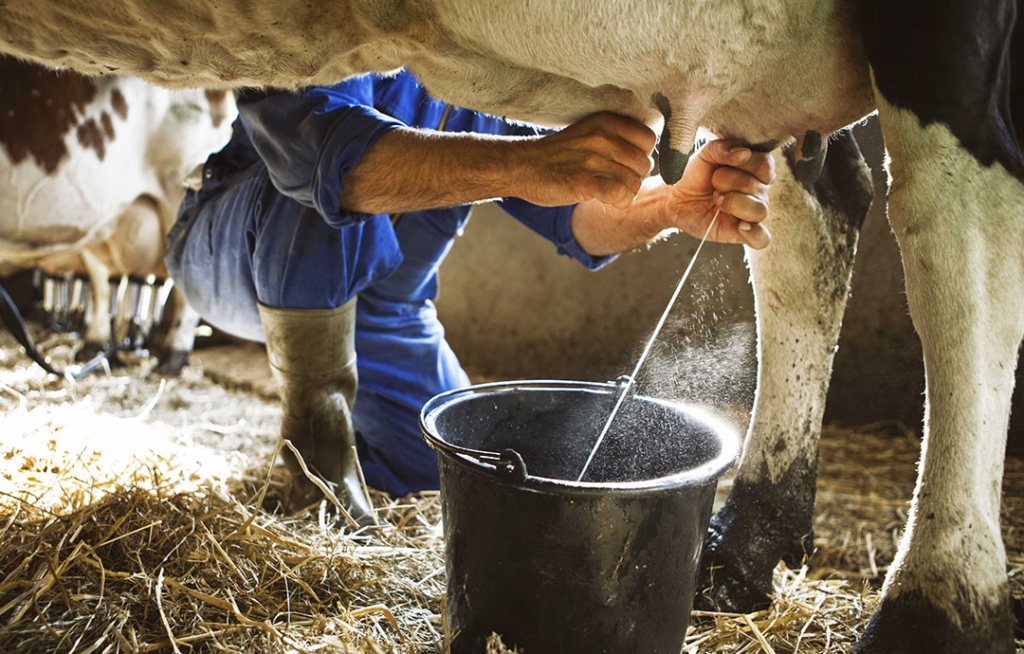
India is the world’s largest milk producer, with annual output estimated at around 258 million tonnes in the current fiscal. Milk plays a crucial role not only as an agricultural commodity but also as a source of nutrition, rural employment, and food security.
As India’s dairy sector modernises, a debate has emerged within the industry: Can the dairy sector continue to grow without increasing milk volumes?
The Push Toward Value-Added Dairy Products
Industry leaders increasingly advocate focusing on value-added products such as:
- Cheese
- Yogurt
- UHT milk
- Flavoured milk
- Dairy-based beverages
These products generally offer higher profit margins and faster market growth compared to liquid milk. Expanding these categories could significantly increase revenue for dairy companies and cooperatives.
However, experts argue that value addition alone cannot sustain long-term industry growth without a parallel increase in milk production.
Understanding India’s Milk Consumption Gap
India currently has a per-capita milk availability of about 485 grams per day, while actual per-capita consumption averages around 230 grams per day. This gap highlights a key structural issue in the dairy ecosystem.
A significant share of milk production is used in:
- Sweet and dessert production
- Bakeries and confectionery
- Food service industries
- Exports
Because of this, higher milk availability does not automatically translate into improved household nutrition.
Read More: Which Country Is Called the Milk Capital of the World and Heart of Dairy Revolution
A Large Informal Dairy Economy
Another major challenge is the structure of India’s milk supply chain. Only about 45% of total milk production enters the organised dairy economy through cooperatives and private processors.
The remaining milk is:
- Consumed directly by producer households
- Sold locally in informal markets
- Used in small-scale traditional dairy processing
This fragmented system limits opportunities for quality control, value addition, and supply chain efficiency.
Growth Requires Both Volume and Value
Experts increasingly agree that India’s dairy growth strategy must combine two parallel approaches:
- Increase milk productivity and volumes through better genetics, feed, and farm management.
- Expand value-added dairy products to capture higher consumer spending.
Improving milk quality, food safety, sustainability, and traceability will also be critical as consumer expectations rise and export markets become more competitive.
The Bigger Challenge Ahead
The central challenge for Indian dairy is not simply whether growth can occur without higher milk volumes. The real issue is whether the sector can scale quality, safety, and sustainability fast enough while maintaining consumer trust.
For a country where dairy supports millions of rural households, the future of the industry will depend on balancing production growth, value addition, and a stronger organised dairy ecosystem.
Join Our “Dairy & Food Jobs Updates” WhatsApp group
Follow the Agri Jobs Updates channel on WhatsApp:
Disclaimer
I do my best to share reliable and well-researched insights but occasional errors or omissions may slip through. Please view all content as informational.
Stay informed on all the latest news updates
All Agriculture Books Free Download
All Dairy Technology Books Free Download
All Agricultural Engineering Books Free download
All Horticulture Books Free Download
All Fisheries Science Books Free Download
For Daily Update follow us at:
Facebook Telegram Whatsapp Instagram YouTube
The contents are provided free for noncommercial purpose such as teaching, training, research, extension and self learning.
If you are facing any Problem than fill form Contact Us
If you want share any article related Agriculture with us than send at info@agrimoon.com with your contact detail.