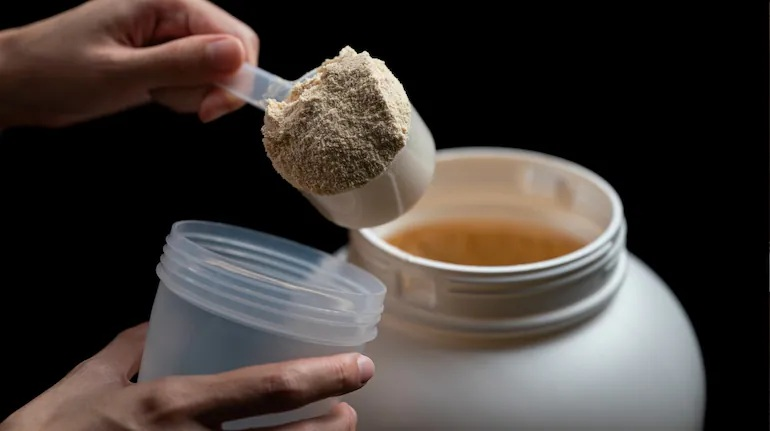
Domestic processing of milk and plant-based raw materials could support high-value protein ingredients, import substitution and new opportunities for food manufacturers
NEW DELHI: India has an opportunity to develop an integrated protein ecosystem connecting agricultural production, dairy processing, industrial biotechnology and consumer nutrition, according to perspectives highlighted by industrial biotechnology company Arboreal Bioinnovations.
The approach centres on moving beyond the sale of raw agricultural commodities towards the production of higher-value ingredients, including protein isolates, functional concentrates and specialised hydrolysates. By linking domestic milk, pulses, oilseeds and cereals with advanced processing technologies, India could expand its role in the growing market for functional food ingredients.
From bulk commodities to high-value protein ingredients
India has a substantial agricultural production base, an established dairy industry and capabilities in biotechnology and pharmaceutical manufacturing. Integrating these sectors could create opportunities to convert locally available raw materials into ingredients for food and nutrition applications.
Rather than relying primarily on bulk commodities, processors could develop specialised ingredients for protein-enriched beverages, bakery products, clinical nutrition, sports nutrition and fortified everyday foods.
Technologies such as membrane ultrafiltration, microbial fermentation, enzyme processing and targeted fractionation can help manufacturers separate, concentrate or modify proteins to meet specific functional requirements.
For dairy processors, these technologies offer opportunities to extract greater value from milk solids. Plant-based processors could similarly develop concentrated proteins from pulses and other agricultural materials.
Dairy and plant proteins could complement each other
An integrated protein ecosystem would not necessarily require dairy and plant proteins to compete. Instead, manufacturers could combine them to develop ingredients suited to different nutritional requirements, product formulations and price points.
Potential dairy ingredients include:
- Whey proteins: Used in protein-enriched beverages, sports nutrition and specialised food formulations.
- Milk protein concentrates: Provide concentrated milk proteins for beverages, dairy products and nutritional applications.
- Micellar casein: Offers functional properties relevant to selected dairy and nutrition products.
Plant-derived ingredients from pulses and cereals could complement dairy proteins in blended formulations, helping manufacturers address differences in cost, taste, texture and intended use.
The strategic opportunity lies in developing ingredients suited to Indian consumption patterns and food applications, rather than simply replicating products designed for other markets.
Domestic manufacturing could reduce import dependence
Indian food manufacturers, beverage companies and sports nutrition brands require specialised protein ingredients with consistent quality and functional performance. Where suitable domestic ingredients are unavailable, companies may rely on imported concentrates, isolates and customised blends.
Expanding local production could shorten procurement lead times and reduce exposure to international freight costs, exchange-rate movements and supply disruptions.
Also Read: Satej Patil-Backed Panel Wins Gokul Milk Union Election, Mahayuti Panel Falls Short
Building domestic capabilities would require investment across several stages, including research and development, pilot-scale processing, industrial separation, drying, quality assurance and formulation.
Commercial-scale infrastructure, including membrane filtration systems and spray dryers, would be particularly relevant for manufacturers seeking to produce concentrated dairy ingredients and protein powders.
However, the extent of import substitution would depend on domestic production costs, ingredient quality, available processing capacity and the ability to meet food manufacturers’ technical specifications.
Value addition offers opportunities for dairy processors
For dairy cooperatives and private processors, protein ingredients could provide an additional revenue stream alongside liquid milk, curd, paneer, ghee and milk powders.
Milk procurement volumes can vary seasonally, while returns from conventional dairy commodities can be affected by market prices and processing costs. Advanced fractionation and drying facilities could enable processors to direct suitable milk streams towards specialised ingredients with higher levels of processing.
Potential benefits include improved utilisation of milk solids, a broader product portfolio and access to food, beverage and nutrition markets.
Nevertheless, high-value ingredients require substantial capital investment, technical expertise, reliable demand and effective management of energy and processing costs. Higher selling prices do not automatically translate into higher profitability.
Connecting farm production with consumer nutrition
An integrated protein value chain could connect rural dairy farmers and crop producers with food manufacturers serving growing demand for protein-enriched products.
For dairy farmers, the potential benefits would depend on whether investments in processing create additional, sustainable demand for milk and translate into competitive procurement returns. Crop producers could also benefit if domestic ingredient manufacturing creates stronger markets for suitable pulses and other plant-based raw materials.
Developing these links would require coordination among farmers, cooperatives, ingredient manufacturers, research institutions and food companies.
Building a competitive Indian protein ingredients sector
India’s opportunity extends beyond meeting domestic demand. A competitive ingredient industry could eventually supply specialised proteins to international food manufacturers, provided domestic producers meet the required standards for quality, safety, consistency and cost.
Progress will depend on technological development, investment in processing infrastructure, product innovation and commercially viable supply chains.
For India’s dairy and food-processing industries, the opportunity is to move further up the value chain—from supplying raw milk and agricultural commodities to producing specialised protein ingredients for a wider range of nutrition applications.
Join Our “Dairy & Food Jobs Updates” WhatsApp group
Follow the Agri Jobs Updates channel on WhatsApp:
Disclaimer
I do my best to share reliable and well-researched insights but occasional errors or omissions may slip through. Please view all content as informational.
Stay informed on all the latest news updates
All Agriculture Books Free Download
All Dairy Technology Books Free Download
All Agricultural Engineering Books Free download
All Horticulture Books Free Download
All Fisheries Science Books Free Download
For Daily Update follow us at:
Facebook Telegram Whatsapp Instagram YouTube
The contents are provided free for noncommercial purpose such as teaching, training, research, extension and self learning.
If you are facing any Problem than fill form Contact Us
If you want share any article related Agriculture with us than send at info@agrimoon.com with your contact detail.