
India, the world’s largest milk producer, is witnessing a quiet but significant shift in its dairy consumption patterns. Rising health awareness, higher disposable incomes and growing digestive sensitivities are fuelling demand for lactose-free dairy products, transforming what was once a niche offering into a fast-growing mainstream category.
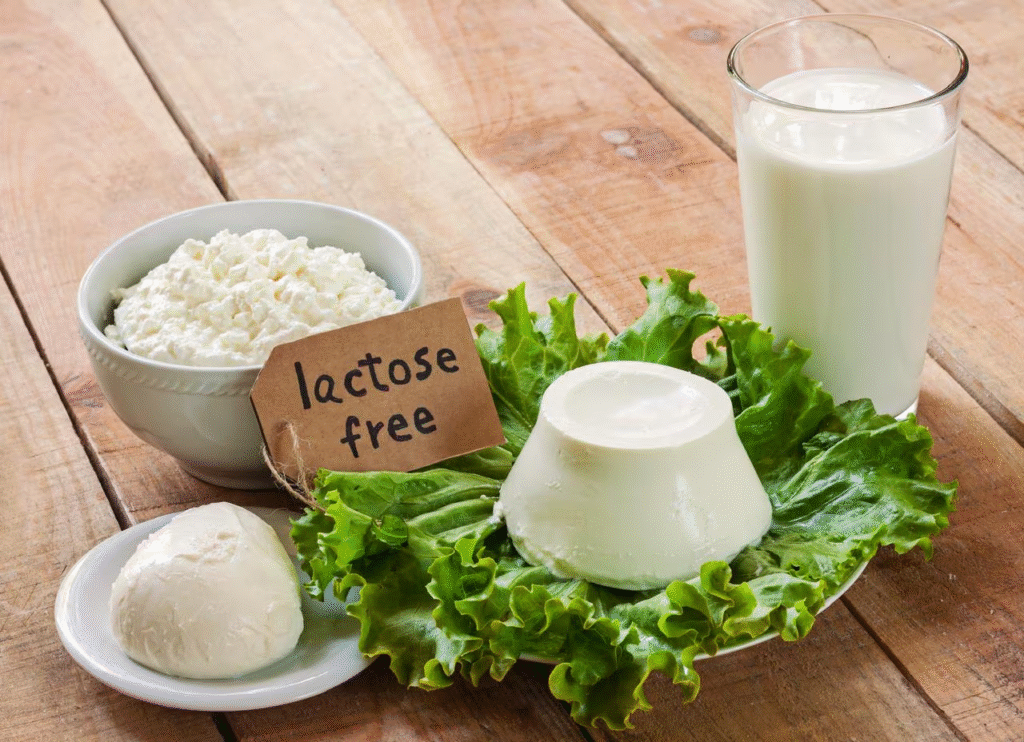
According to data cited from the National Library of Medicine, nearly 67% of Indians suffer from some degree of lactose malabsorption. This large, underserved consumer base has driven high double-digit growth in the lactose-free segment. Market leader Amul dominates the category with over 90% market share, making it the clear frontrunner in lactose-free dairy.
How lactose-free milk works
Lactose-free milk retains all the nutritional benefits of regular milk while eliminating digestive discomfort for lactose-intolerant consumers. The difference lies in a simple enzymatic process.
“In lactose-free milk, lactase enzyme is added before final packaging. This breaks lactose into glucose and galactose, making the milk easy to digest for lactose-intolerant individuals,” said Jayen Mehta, Managing Director of GCMMF (Amul), in an interview with LiveMint.
Importantly, the process does not alter the protein, calcium or overall nutritional profile of milk. “There is no nutritional compromise. All benefits remain intact—only the sugar component is modified,” Mehta said.
Building a full lactose-free portfolio
Amul has expanded well beyond plain lactose-free milk, building a comprehensive product portfolio to accelerate adoption. The range now includes:
- Lactose-free ice cream
- High-protein lactose-free dahi
- Single-origin lactose-free coffee
- Whey protein concentrate
- Lactose-free peda
“We pioneered lactose-free milk, and today we offer a wide range of lactose-free products,” Mehta said, adding that portfolio depth is key to sustained growth.
Pricing strategy: No premium positioning
Contrary to the perception that lactose-free products are expensive, Amul has deliberately avoided premium pricing.
“We don’t intend to charge a premium for lactose-free products. For us, all customers are the same,” Mehta said.
A 250 ml pack of lactose-free milk is priced at ₹25, while other lactose-free variants are also competitively priced. The strategy aims to make specialised nutrition accessible rather than exclusive.
UHT and Tetra Pak: The distribution advantage
A major factor behind the nationwide availability of lactose-free milk is UHT processing and Tetra Pak packaging, which eliminates dependence on a continuous cold chain. The technology provides a six-month shelf life without preservatives and allows storage at room temperature until opened.
Read More: India’s Dairy Industry: Climate Adaptation as a Market Opportunity
“Absolutely, UHT packaging has helped democratise the product,” Mehta said.
Backed by 90 branches, 20,000 distributors and over 2 million retail outlets, Amul’s lactose-free milk is available across India—from Srinagar to Madurai. Smaller pack sizes also allow flexible consumption within households where only some members require lactose-free options.
Dairy vs plant-based alternatives
While plant-based milks such as almond, soy and oat are gaining traction, Amul does not see them as direct competitors.
“Technically, anything not of bovine origin cannot be called milk in India,” Mehta said, emphasizing that lactose-free dairy and plant-based beverages serve different consumer needs. He described bovine milk—regular or lactose-free—as a “superfood,” distinct from processed non-dairy alternatives.
A category coming of age
With strong distribution, affordable pricing, technological innovation and growing health awareness, lactose-free milk in India is rapidly transitioning from a specialised solution to an everyday staple.
The convergence of consumer demand, enzyme technology and UHT packaging is reshaping India’s dairy landscape—signalling a structural shift rather than a passing trend.
In a country where milk is both nutrition and tradition, lactose-free dairy may well represent the next chapter of India’s dairy evolution.
Join Our “Dairy & Food Jobs Updates” WhatsApp group
Disclaimer
I do my best to share reliable and well-researched market insights but occasional errors or omissions may slip through. Please view all content as informational.
Stay informed on all the latest news updates
All Agriculture Books Free Download
All Dairy Technology Books Free Download
All Agricultural Engineering Books Free download
All Horticulture Books Free Download
All Fisheries Science Books Free Download
For Daily Update follow us at:
Facebook Telegram Whatsapp Instagram YouTube
The contents are provided free for noncommercial purpose such as teaching, training, research, extension and self learning.
If you are facing any Problem than fill form Contact Us
If you want share any article related Agriculture with us than send at info@agrimoon.com with your contact detail.