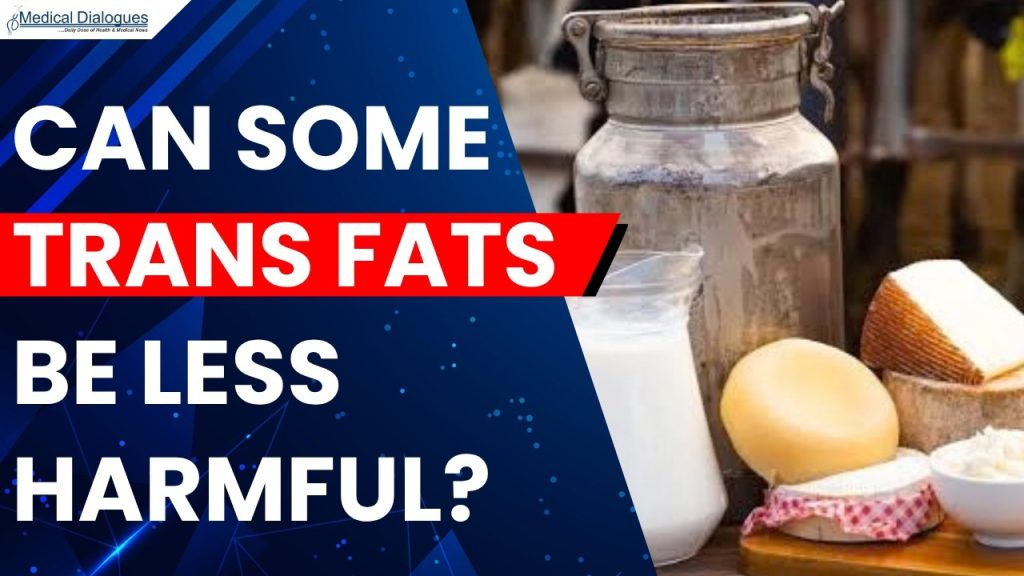
A 2026 systematic review examining 22 studies found no association between naturally occurring dairy trans fats and increased cardiovascular disease or type 2 diabetes risk, although researchers caution that the findings should not be interpreted as proof that all dairy fats are beneficial.
A systematic review and meta-analysis published in Nutrition Research has found that naturally occurring trans fatty acids in dairy foods were not associated with an increased risk of cardiovascular disease or type 2 diabetes in the studies examined. The research evaluated evidence from 10 randomised controlled trials and 12 prospective cohort studies. <Cite refs={[“turn506413search0″,”turn506413search1”]}/>
The review examined trans fatty acids found in dairy products such as milk, butter, cheese and yoghurt. Its findings add to ongoing scientific discussions about whether the health effects of naturally occurring ruminant trans fats differ from those of industrially produced trans fats.
Natural and industrial trans fats: Understanding the difference
Trans fatty acids can occur naturally in milk and meat from ruminant animals, including cows, through microbial biohydrogenation in the rumen. Important dairy-associated fatty acids include trans-vaccenic acid and rumenic acid, a conjugated linoleic acid (CLA) isomer.
Industrial trans fats have historically been produced through the partial hydrogenation of vegetable oils. Their consumption has been associated with adverse cardiovascular outcomes, particularly when intake is high.
Although both groups contain trans fatty acids, their composition, dietary exposure levels and available health evidence differ. The new review specifically investigated trans fats derived from dairy foods rather than treating all sources as interchangeable.
What did the 22-study review find?
The researchers assessed blood lipid markers in 10 randomised controlled trials and examined cardiovascular disease and type 2 diabetes outcomes in 12 prospective cohort studies.
The principal findings were:
- Blood lipid markers: The trials found no statistically significant differences in most measured lipid markers between regular dairy foods and dairy foods with increased trans-fat content. A small decrease in HDL cholesterol was observed in the trans-fat-enriched groups.
- Cardiovascular disease: Circulating levels of trans-vaccenic acid and trans-palmitoleic acid were not associated with increased cardiovascular disease incidence or mortality in the cohort studies.
- Type 2 diabetes: The review found no association between the measured circulating dairy trans fats and increased type 2 diabetes risk.
- Overall conclusion: The evidence examined did not link dairy-derived trans-fat consumption with adverse cardiometabolic outcomes at the exposure levels studied. <Cite refs={[“turn506413search0″,”turn506413search1”]}/>
The findings are relevant to dairy nutrition research, but they do not establish that consuming more butter, cream or other high-fat dairy products will prevent cardiovascular disease or diabetes.
Implications for dairy processing and product development
The findings may help dairy processors, nutrition professionals and food researchers communicate more accurately about the different sources of trans fats.
For dairy manufacturers, milk fat remains an important component in products such as butter, ghee, cheese, cream and full-fat fermented dairy foods. However, the nutritional effects of these products depend on their overall composition, portion size, consumption patterns and the foods they replace in the diet.
Also Read: Uttar Pradesh Receives Dairy Sector Investment Proposals Worth ₹695.18 Crore
The review should therefore not be interpreted as evidence that all full-fat dairy products are automatically healthier than low-fat alternatives. Product formulation, nutritional labelling and consumer education remain important considerations for the dairy industry.
What the findings mean for dairy farmers
Milk fat is an economically important component of raw milk and influences the value of milk supplied to processing plants under fat-based or fat-and-SNF payment systems.
Research into the nutritional properties of milk fat can contribute to a better understanding of dairy products and their place in the human diet. Nevertheless, the review does not directly establish that increasing milk fat production or consuming more high-fat dairy improves health outcomes.
For the dairy sector, the broader opportunity lies in combining sound nutritional science with transparent product information, appropriate processing practices and sustainable milk procurement systems.
Important limitations to consider
The review provides evidence about specific naturally occurring dairy trans fats, not a blanket endorsement of unlimited dairy fat consumption. Its findings also need to be considered alongside the wider evidence on saturated fat, overall dietary patterns and cardiovascular health.
The authors’ disclosed affiliations include dairy-industry organisations, and some authors reported relevant industry funding or employment. This does not invalidate the findings, but it is important context when interpreting industry-relevant nutrition research. <Cite refs={[“turn506413search1”]}/>
The study adds to the scientific evidence distinguishing natural dairy trans fats from industrial trans fats. Further research and continued evaluation of the broader nutritional evidence remain important for developing balanced dietary recommendations.
Join Our “Dairy & Food Jobs Updates” WhatsApp group
Follow the Agri Jobs Updates channel on WhatsApp:
Disclaimer
I do my best to share reliable and well-researched insights but occasional errors or omissions may slip through. Please view all content as informational.
Stay informed on all the latest news updates
All Agriculture Books Free Download
All Dairy Technology Books Free Download
All Agricultural Engineering Books Free download
All Horticulture Books Free Download
All Fisheries Science Books Free Download
For Daily Update follow us at:
Facebook Telegram Whatsapp Instagram YouTube
The contents are provided free for noncommercial purpose such as teaching, training, research, extension and self learning.
If you are facing any Problem than fill form Contact Us
If you want share any article related Agriculture with us than send at info@agrimoon.com with your contact detail.