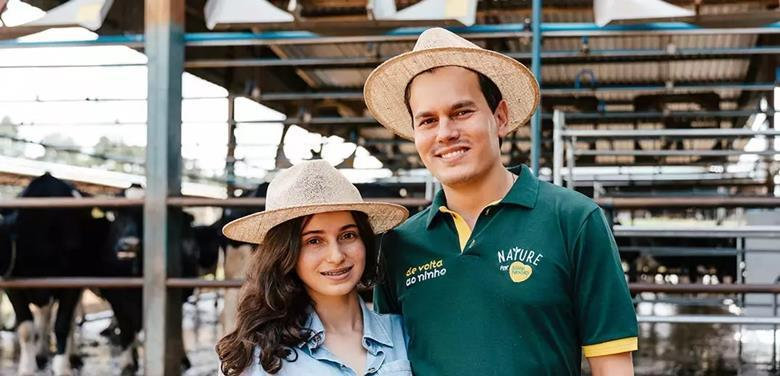
Global dairy giant Nestlé has reported a 26% reduction in greenhouse gas emissions across its dairy supply chain since 2018, marking a significant milestone in its sustainability journey.
The achievement was revealed in the company’s first-ever Dairy Plan Report, which outlines progress in reducing emissions, supporting regenerative agriculture, improving animal welfare, and strengthening the livelihoods of dairy farmers worldwide.
Nestlé’s dairy sustainability programme currently engages more than 130,000 dairy farmers, over 200 suppliers, and numerous industry partners across 40+ countries, reflecting one of the largest coordinated sustainability efforts in the global dairy sector.
Methane Emissions Reduced by 25%
According to the report, methane emissions from Nestlé’s dairy value chain declined by 25% in 2025 compared to the 2018 baseline. The company attributes much of this progress to the adoption of lower-carbon feed solutions, enhanced manure management systems, and science-based innovations developed through its Institute of Agricultural Sciences and collaborations with research institutions.
Farmers participating in the programme are increasingly converting manure into renewable energy and organic compost, creating additional income opportunities while simultaneously reducing environmental impacts and farm energy costs.
Regenerative Agriculture Gains Momentum
Nestlé also reported significant growth in regenerative agriculture adoption. In 2025, more than 34% of the company’s dairy supply originated from farms implementing regenerative farming practices, including:
- Maintaining year-round soil cover
- Reduced or minimum tillage
- Integration of trees into farming systems
- Improved biodiversity management
- Enhanced water conservation practices
These measures are designed to improve soil health, strengthen ecosystem resilience, and help farms adapt to climate-related challenges.
Supporting Farmer Resilience
Speaking on the report’s findings, Katja Seidenschnur, Head of Sustainability for Nestlé Nutrition & Health, emphasized the link between sustainability and farm productivity.
“Productivity, quality milk and sustainability are closely connected and can positively reinforce one another. Through collaboration across the dairy value chain, we are helping farmers adopt innovative solutions that build resilience to climate and economic pressures while supporting long-term access to high-quality milk,” she said.
The company noted that farmer support programmes extend beyond environmental initiatives and include business training, technical guidance, and access to new technologies aimed at improving farm profitability and long-term viability.
Focus on Animal Welfare
Animal welfare remains a central pillar of Nestlé’s dairy strategy. Investments in improved nutrition, veterinary services, housing conditions, and cooling systems are helping maintain healthier herds and improve milk quality.
Read More: Mexico’s Dairy Sector Set for Growth in 2026 as Milk Production Reaches 14.3 Million Tonnes
Industry experts note that better animal welfare standards not only contribute to ethical dairy production but can also enhance productivity and farm efficiency.
Setting a Benchmark for Sustainable Dairy
As global dairy companies face increasing pressure to reduce emissions and strengthen supply chain resilience, Nestlé’s latest results demonstrate how sustainability initiatives can be integrated into commercial dairy production at scale.
The Dairy Plan report highlights a growing industry trend: environmental stewardship, farmer profitability, and high-quality milk production are increasingly being viewed not as competing priorities, but as mutually reinforcing objectives.
With more than one-third of its dairy supply already sourced from regenerative farms and substantial reductions in methane emissions achieved, Nestlé’s programme may serve as a benchmark for the future of sustainable dairy production worldwide.
Join Our “Dairy & Food Jobs Updates” WhatsApp group
Follow the Agri Jobs Updates channel on WhatsApp:
Disclaimer
I do my best to share reliable and well-researched insights but occasional errors or omissions may slip through. Please view all content as informational.
Stay informed on all the latest news updates
All Agriculture Books Free Download
All Dairy Technology Books Free Download
All Agricultural Engineering Books Free download
All Horticulture Books Free Download
All Fisheries Science Books Free Download
For Daily Update follow us at:
Facebook Telegram Whatsapp Instagram YouTube
The contents are provided free for noncommercial purpose such as teaching, training, research, extension and self learning.
If you are facing any Problem than fill form Contact Us
If you want share any article related Agriculture with us than send at info@agrimoon.com with your contact detail.