
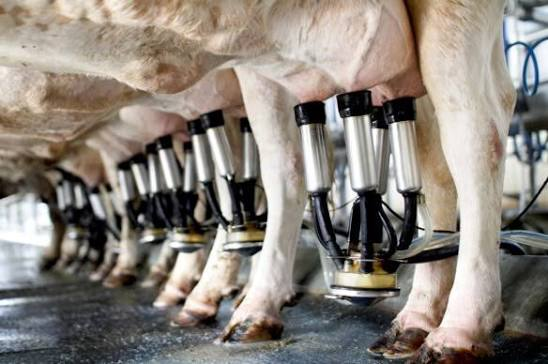
As summer temperatures continue to rise, dairy producers are being urged to adopt proactive heat stress management practices to safeguard animal welfare, maintain milk production, and minimize economic losses. Dairy experts emphasize that timely interventions—including adequate cooling, water availability, and low-stress animal handling—can significantly reduce the adverse effects of heat stress in dairy herds.
Heat stress remains one of the most significant seasonal challenges for the dairy industry. Elevated temperatures and humidity negatively affect feed intake, milk yield, reproductive performance, and overall herd health. Heat-stressed dairy cows are more susceptible to fertility problems, pregnancy losses, metabolic disorders, and lameness, ultimately impacting farm profitability.
According to animal welfare and dairy management experts, dairy cattle maintain their core body temperature within a narrow physiological range by exchanging heat with their surrounding environment. However, during hot and humid conditions, their ability to dissipate excess heat becomes compromised.
The Temperature-Humidity Index (THI), which combines ambient temperature and relative humidity, is widely used to estimate heat stress levels in dairy cattle. While a THI value of 68 to 72 is commonly considered a critical threshold for lactating dairy cows, experts caution that animals of all ages may experience heat-related discomfort even at lower values.
“THI is an important management tool, but it should not replace animal-based observations,” dairy specialists note. “Environmental conditions within the animal’s immediate surroundings, including direct sunlight exposure and ventilation, must also be considered when assessing heat stress.”
Recognizing Early Signs of Heat Stress
Early identification of heat stress is crucial for effective intervention. One of the first indicators is an increase in respiration rate. Healthy adult dairy cattle typically breathe between 25 and 50 times per minute at rest. When respiration rates exceed 60 breaths per minute, cows are likely struggling to cope with thermal stress and require immediate cooling measures.
Severe heat stress is characterized by:
- Rapid and labored breathing
- Open-mouth panting
- Excessive drooling or saliva loss
- Tongue protrusion
- Reduced feed intake
- Increased standing time
- Declining milk production
By the time cows begin panting, respiration rates may reach approximately 100 breaths per minute, indicating severe physiological stress.
Cooling Strategies Can Prevent Production Losses
Experts recommend ensuring continuous access to clean and cool drinking water during periods of elevated temperatures. Heat-stressed cattle experience increased water requirements due to excessive moisture loss through respiration and sweating.
Effective cooling strategies include:
- Providing shade in grazing and outdoor housing systems.
- Soaking animals with water, particularly over the shoulders and back, to facilitate evaporative cooling.
- Using fans or natural airflow to enhance cooling efficiency.
- Repeating cooling procedures every 15 minutes if animals continue to exhibit signs of heat stress.
Studies have shown that combining water soaking with forced-air ventilation significantly improves heat dissipation and rapidly lowers body temperature.
Manage Handling Practices During Hot Weather
Animal handling practices should be adjusted during summer months to minimize additional heat load. Experts recommend conducting management procedures during the early morning hours when temperatures are lowest.
When the Temperature-Humidity Index reaches 72 or above, farmers should consider postponing non-essential handling activities, including prolonged restraint in headlocks or processing systems.
“Dairy cattle require four to six hours to recover their normal body temperature after heat exposure,” experts explain. “Evening hours should ideally be reserved for cooling, feeding, and reproductive activities rather than animal handling.”
Vaccination schedules should also be planned carefully during hot weather. Since vaccines may induce mild fever as part of the immune response, administering vaccines during cooler hours can help prevent vaccine-induced heat stress.
Water Management Is Critical
Water consumption increases substantially during periods of heat stress. Dairy farmers are encouraged to inspect water delivery systems regularly to ensure:
- Adequate water availability.
- Proper refill rates.
- Clean drinking facilities.
- Additional temporary water tanks when required.
Manure accumulation around water troughs should be removed frequently to maintain hygiene and reduce fly populations.
Transporting Dairy Cattle During Summer
Transporting cattle during hot and humid weather poses considerable welfare risks. Industry guidelines recommend avoiding transportation during moderate to severe heat stress conditions whenever possible.
Key recommendations include:
- Avoid hauling cattle between 11:00 a.m. and 4:00 p.m.
- Monitor weather forecasts before transport.
- Park trailers in shaded locations during unavoidable stops.
- Reduce stocking density during hot weather.
- Minimize transport duration and handling stress.
Extreme heat conditions, particularly when the heat index exceeds 100°F (approximately 38°C), can significantly increase the risk of dehydration, heat exhaustion, and mortality.
Only animals that are fit for transport should be moved. Cattle that are lame, dehydrated, weak, or exhibit poor body condition require special consideration and should not be transported unless appropriate veterinary guidance is obtained.
Heat Stress Increases Risk of Lameness
Heat stress can indirectly contribute to lameness by increasing standing time. Since cows tend to stand rather than lie down to dissipate heat, prolonged standing places additional pressure on their feet and legs.
Lame cows are particularly vulnerable during hot weather and are more likely to become non-ambulatory. Experts recommend close monitoring of compromised animals, including recently calved, sick, weak, or newly purchased cattle.
If a cow becomes non-ambulatory, farmers should immediately assess the cause, provide appropriate bedding and footing, and move the animal to a comfortable recovery area with access to shade, feed, and water.
Preparing for Summer Challenges
Heat stress management is no longer an optional summer practice but an essential component of modern dairy farming. By combining environmental modifications, strategic animal handling, and continuous monitoring of cattle behavior, dairy producers can significantly reduce the negative impacts of high temperatures on animal health and productivity.
With climate variability contributing to increasingly frequent and prolonged heat events, proactive heat stress management will remain critical to maintaining sustainable and profitable dairy production systems.
Join Our “Dairy & Food Jobs Updates” WhatsApp group
Follow the Agri Jobs Updates channel on WhatsApp:
Disclaimer
I do my best to share reliable and well-researched insights but occasional errors or omissions may slip through. Please view all content as informational.
Stay informed on all the latest news updates
All Agriculture Books Free Download
All Dairy Technology Books Free Download
All Agricultural Engineering Books Free download
All Horticulture Books Free Download
All Fisheries Science Books Free Download
For Daily Update follow us at:
Facebook Telegram Whatsapp Instagram YouTube
The contents are provided free for noncommercial purpose such as teaching, training, research, extension and self learning.
If you are facing any Problem than fill form Contact Us
If you want share any article related Agriculture with us than send at info@agrimoon.com with your contact detail.