
By Dr. Banarsi Lal, Chief Scientist & Head, KVK Reasi, Sher-e-Kashmir University of Agricultural Sciences and Technology-Jammu
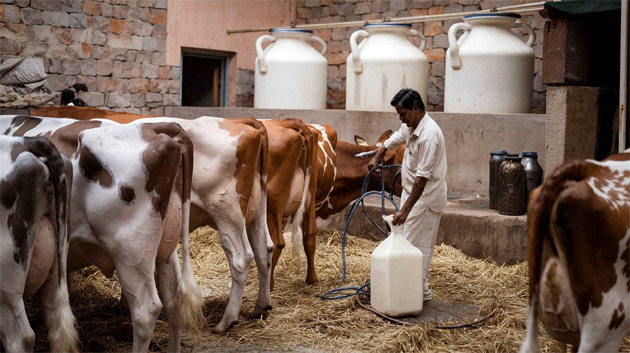
India’s dairy sector continues to anchor rural livelihoods and national food security, with the country retaining its position as the world’s largest milk producer. Backed by vast livestock resources — including nearly 13% of the world’s cattle and 57% of the global buffalo population — India has achieved self-sufficiency in milk production. However, experts say sustainability remains the sector’s most pressing challenge.
Dr. Banarsi Lal, Chief Scientist and Head of KVK Reasi at Sher-e-Kashmir University of Agricultural Sciences and Technology-Jammu (SKUAST-J), highlights that while dairy farming has expanded significantly over the decades, long-term sustainability requires urgent attention to feed security, breed management, infrastructure, and climate resilience.
Feed and Fodder Constraints
One of the most serious bottlenecks is the shortage of quality feed and fodder, particularly during off-seasons. Rising feed costs continue to erode farmers’ profit margins. Small and landless livestock rearers, who form the backbone of India’s dairy sector, face acute difficulties in accessing nutritious feed.
Dr. Lal stresses the need to promote scientific fodder cultivation, hay and silage preparation, and timely distribution of improved fodder seeds. Use of cost-effective nutritional supplements such as Urea Molasses Multinutrient Blocks (UMMB) has shown encouraging results in improving production and reproductive performance.
Breed Selection and Climate Suitability
Choosing the right breed remains critical for sustainable dairying. While crossbred and exotic animals such as Jersey cows are preferred for higher yields, they are often sensitive to hot and dry climates and require intensive care.
Indigenous breeds of cows and buffaloes are better adapted to Indian agro-climatic conditions. Experts advocate advanced breeding tools, expansion of artificial insemination services, and availability of quality breeding bulls to enhance genetic improvement without compromising adaptability.
Animal Health and Welfare
Overcrowded and poorly ventilated sheds increase stress and disease incidence among animals. Diseases such as foot-and-mouth disease (FMD), mastitis, tuberculosis, and metabolic disorders continue to affect productivity.
Regular veterinary check-ups, climate-appropriate housing, and proper ventilation are essential. Iron-sheet roofing, which traps excessive heat, should be avoided in dairy shed construction. Allowing animals to graze freely where possible improves overall fitness and reduces stress.
Environmental and Climate Concerns
Livestock contributes to greenhouse gas emissions, particularly methane. At the same time, changing climatic patterns — including heat stress and irregular rainfall — are adversely affecting livestock production and reproduction.
Sustainable dairy farming must therefore integrate eco-friendly practices such as:
- Composting animal waste
- Establishing biogas units (gas from four cows can fuel a family kitchen)
- Adopting solar energy systems instead of diesel generators
These measures improve farm profitability while reducing environmental impact.
Infrastructure and Market Linkages
Despite leading in milk production, India’s share in global milk trade remains limited. Inadequate rural infrastructure, insufficient bulk milk coolers, weak cold-chain systems, and limited organized market access hinder growth.
Dr. Lal emphasizes the need for:
- Expansion of rural dairy plants
- Strengthening milk collection networks
- Institutional credit support for small farmers
- Better linkage between scientists, extension workers, and farmers
Way Forward
Dairy farming provides insurance against crop failures, organic manure for agriculture, regular cash flow, and employment opportunities. However, productivity remains low in hilly and remote regions. Bridging regional disparities through targeted interventions is essential.
Read More: Gokul Dairy raises buffalo milk price by ₹2 per litre
According to Dr. Lal, future dairy technologies must align with socio-economic realities, farm size, market access, and agro-ecological conditions. With proper planning, sustainable dairy farming can generate new avenues of income and employment while improving national nutritional standards.
The sector’s next leap, experts suggest, will not come merely from increasing milk output — but from making dairy farming economically viable, environmentally responsible, and socially inclusive.
Join Our “Dairy & Food Jobs Updates” WhatsApp group
Follow the Agri Jobs Updates channel on WhatsApp:
Disclaimer
I do my best to share reliable and well-researched insights but occasional errors or omissions may slip through. Please view all content as informational.
Stay informed on all the latest news updates
All Agriculture Books Free Download
All Dairy Technology Books Free Download
All Agricultural Engineering Books Free download
All Horticulture Books Free Download
All Fisheries Science Books Free Download
For Daily Update follow us at:
Facebook Telegram Whatsapp Instagram YouTube
The contents are provided free for noncommercial purpose such as teaching, training, research, extension and self learning.
If you are facing any Problem than fill form Contact Us
If you want share any article related Agriculture with us than send at info@agrimoon.com with your contact detail.