Wellington: As global consumers demand greater transparency in food production, Fonterra has emphasized that New Zealand’s national grass-fed dairy standard is playing a crucial role in building trust and differentiating dairy products in international markets.
What Defines “Grass-Fed” in New Zealand
The standard, developed in collaboration with the Ministry for Primary Industries, sets clear criteria:
- At least 90% of feed must be grass or forage
- Cows must graze on pasture for minimum 340 days per year
Fonterra reports its farmers exceed these benchmarks, with cows being:
- 96% grass-fed on average
- Grazing for over 350 days annually
Why It Matters: Trust, Transparency, and Credibility
Unlike many regions, New Zealand offers a government-defined national standard, rather than vague marketing claims.
- No unified grass-fed definition exists in the US or EU
- Claims there rely on private certifications or fragmented schemes
This gives New Zealand dairy a credibility advantage, especially in markets where consumers value verified sustainability and ethical sourcing.
Read More: Global Dairy Alternatives Market Set to Nearly Double by 2036
Global Demand on the Rise
The global grass-fed dairy market is witnessing strong growth:
- Valued at $5.2 billion (2026)
- Expected to reach $29.9 billion by 2035
Demand is driven by:
- Interest in natural and minimally processed foods
- Focus on animal welfare and regenerative agriculture
- Need for transparent production practices
Consumer Perception and Product Appeal
Grass-fed dairy is widely associated with:
- Better taste and creaminess
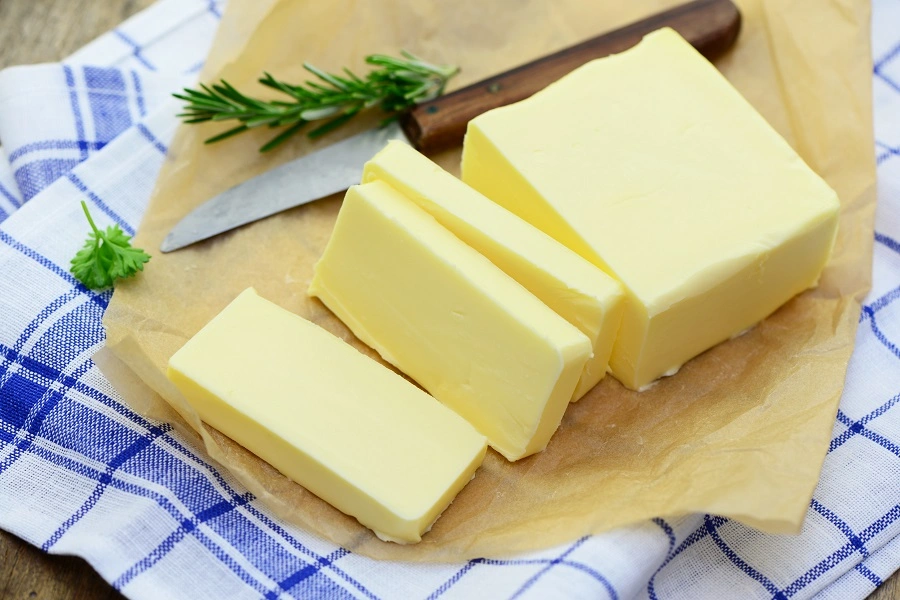
- Natural yellow colour (due to beta-carotene in grass)
- Higher perceived health and sustainability value
Studies show:
- 1 in 3 consumers look for animal welfare claims
- 25% of global consumers seek regenerative farming labels
Grass-Fed vs Plant-Based Alternatives
Despite the rise of plant-based dairy, Fonterra believes grass-fed dairy offers a distinct value:
- Based on natural farming systems, not imitation
- Appeals to consumers seeking authentic, minimally processed foods
- Competes through origin, taste, and production transparency
Ensuring Consumer Confidence
Fonterra stresses that verification is critical:
- Grass-fed claims are aligned with national standards
- Independently verified for compliance
This ensures claims are based on measurable criteria, not marketing narratives.
Future Outlook
The dairy industry is expected to face increasing pressure for:
- Clearer definitions of “grass-fed”
- Stronger verification systems
- Greater accountability in sustainability claims
Fonterra plans to continue investing in data-backed sustainability programs, ensuring long-term value for farmers while meeting evolving global expectations.
Join Our “Dairy & Food Jobs Updates” WhatsApp group
Follow the Agri Jobs Updates channel on WhatsApp:
Disclaimer
I do my best to share reliable and well-researched insights but occasional errors or omissions may slip through. Please view all content as informational.
Stay informed on all the latest news updates
All Agriculture Books Free Download
All Dairy Technology Books Free Download
All Agricultural Engineering Books Free download
All Horticulture Books Free Download
All Fisheries Science Books Free Download
For Daily Update follow us at:
Facebook Telegram Whatsapp Instagram YouTube
The contents are provided free for noncommercial purpose such as teaching, training, research, extension and self learning.
If you are facing any Problem than fill form Contact Us
If you want share any article related Agriculture with us than send at info@agrimoon.com with your contact detail.