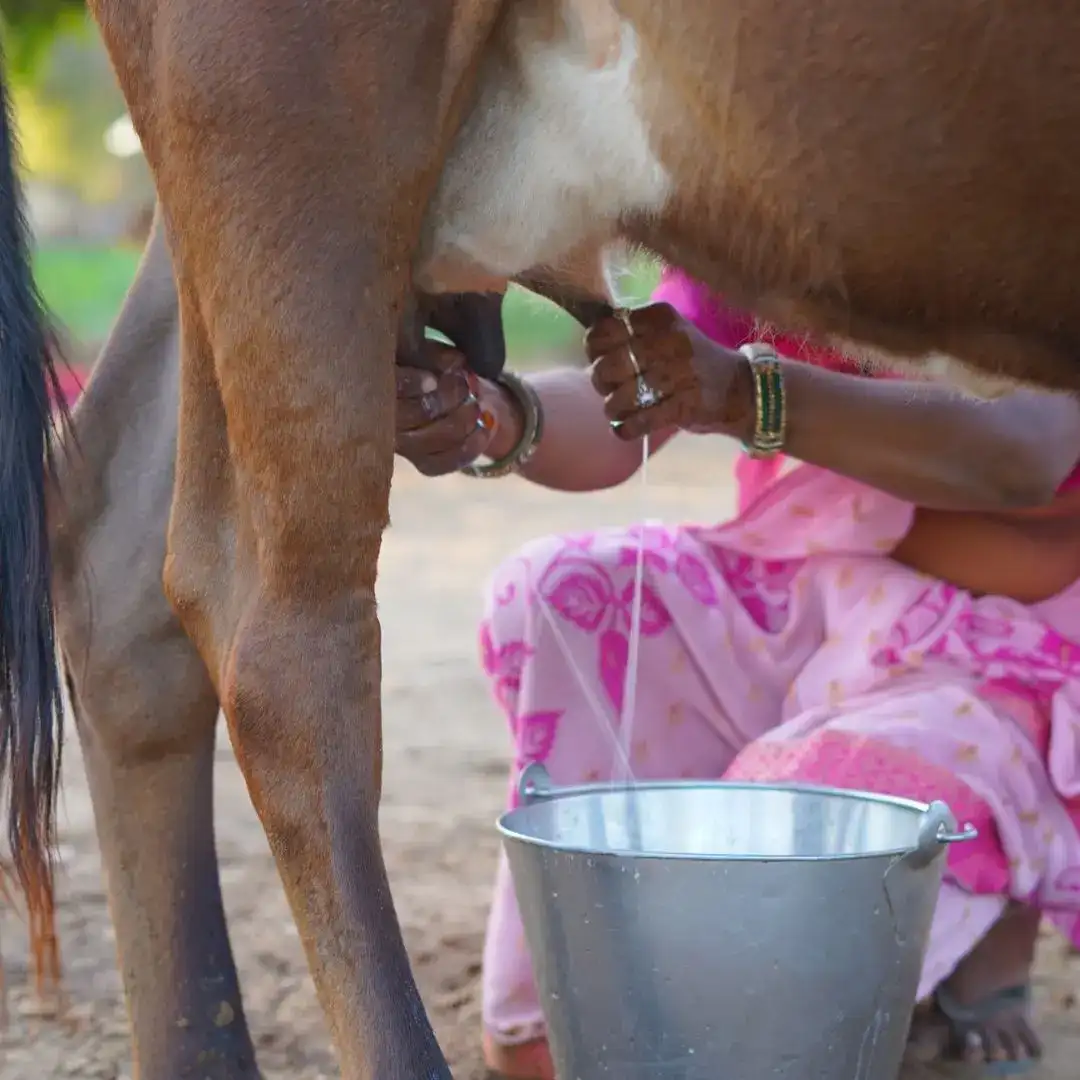
When people think of India’s dairy dominance, the first name that usually comes up is Amul. But the real engine behind that success story is a powerful network of cooperatives—led by one standout giant: Banas Dairy.
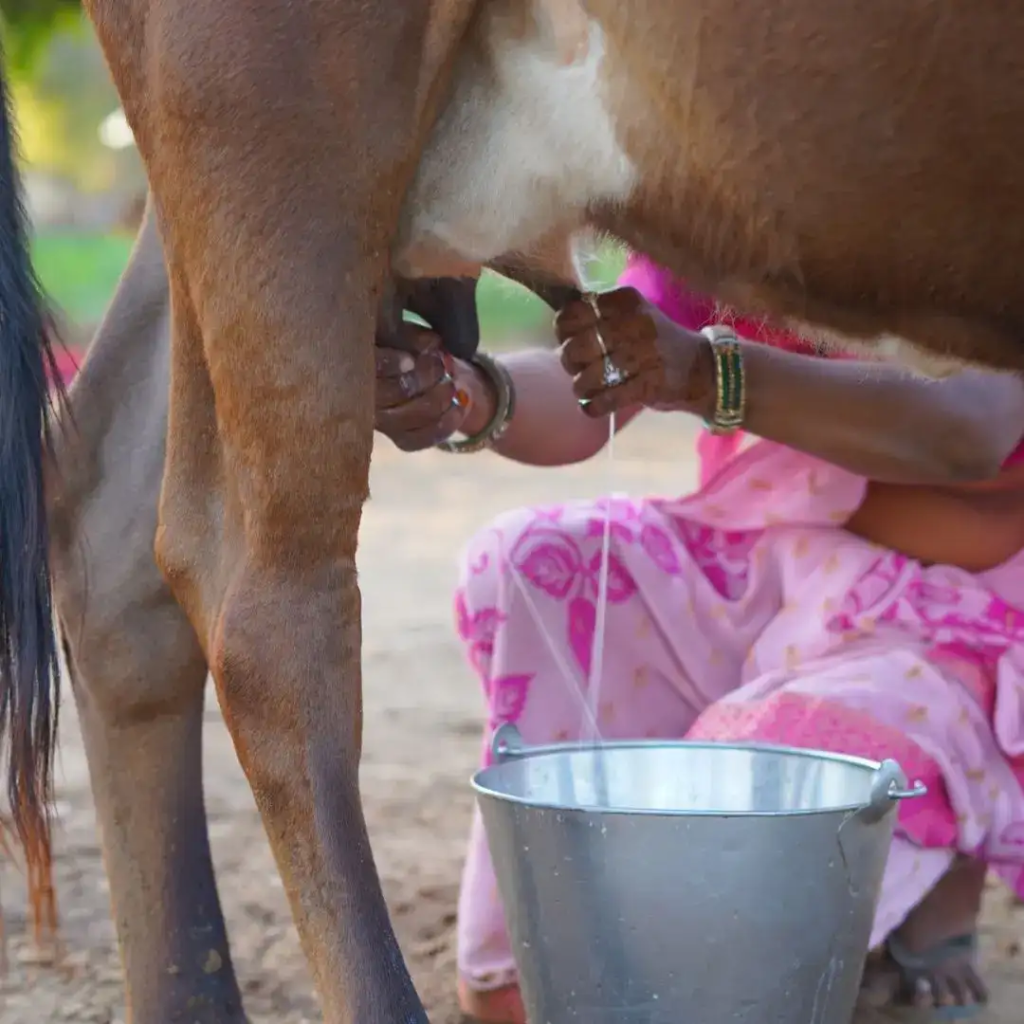
Where is Asia’s Largest Dairy Located?
Banas Dairy is headquartered in Palanpur, in the Banaskantha district of Gujarat. This region has quietly become one of the most important milk-producing belts not just in India—but across Asia.
Who Owns Banas Dairy?
Here’s the twist: no billionaire, no corporate house.
Banas Dairy is owned by over 2 million farmers. It operates under the cooperative model, meaning the farmers themselves are the shareholders, decision-makers, and beneficiaries. This structure is part of the broader system pioneered by Gujarat Cooperative Milk Marketing Federation, which markets products under the Amul brand.
So effectively, Banas Dairy is:
Marketed globally through Amul
Owned by farmers
Managed as a cooperative
History and Establishment
Establishment and Early Growth
- Registered on 31 January 1969 under the Cooperative Act
- Foundation stone laid on 14 January 1971 near Jagana village, Gujarat
- Established as part of Operation Flood Phase-I
Expansion of Chilling Infrastructure
A strong chilling network ensured milk quality and wider procurement:
- Khimana Chilling Centre – 17 July 1972
- Dhanera – 17 September 1972
- Tharad – 2 November 1983
- Radhanpur & Danta – 1 November 1984
This network allowed the cooperative to expand deep into rural areas and stabilize milk collection.
Capacity Growth & Modernization
Initially, Banas Dairy started with a small processing capacity but expanded aggressively:
- Banas-I Plant
- Initial: 1.5 LLPD (Lakh Litres Per Day)
- Increased to: 4 LLPD (1971)
- Present: 13 LLPD
- Banas-II (Fully Automated Plant)
- Foundation: 2 October 1998
- Current Capacity: 38 LLPD
- Banas-III Plant
- Capacity: 30 LLPD
This expansion reflects a shift toward automation, scale, and efficiency—a key trend in modern dairy processing.
Record in Milk Procurement
Banas Dairy isn’t just big—it’s absurdly big.
- Daily milk procurement: 8–10 million litres
- Peak winter collection: Exceeds 10 million litres/day
That scale places it among the largest milk collection systems in Asia, making it a backbone of India’s dairy supply chain.
Connection with Amul Brand
Banas Dairy is closely associated with the Amul brand. Its products are marketed through the Gujarat Cooperative Milk Marketing Federation, which operates the Amul brand. As a result, milk and dairy products from Banas Dairy reach consumers under the Amul name. It is a crucial part of Amul’s supply chain.
Large Farmer Participation
Millions of farmers are associated with this cooperative. Over 2 million shareholder farmers are part of it, benefiting a vast number of rural families. Through thousands of village-level milk societies, farmers deliver milk daily to collection centers, strengthening the rural economy.
Read More: Global Dairy Markets on Edge as Lactalis Flags War-Driven Price Surge Risks
Multi-Plant Liquid Milk Processing Network
At the heart of its operations lies an extensive liquid milk processing system:
- Liquid Milk Processing (LMP) – The primary unit handling large-scale milk intake and distribution
These plants collectively process millions of litres daily, supporting both domestic consumption and industrial use. The strategic scaling of LMP units reflects Banas Dairy’s response to rising procurement volumes and market demand.
Diversified Dairy Product Portfolio
Banas Dairy has aggressively expanded into value-added products, strengthening its market position under the Amul umbrella:
- Ice Cream – Fast-growing segment in the value-added category
- Ghee – High-volume production catering to both retail and bulk markets
- Butter – A key product supporting bakery and food industries
- Dahi (Curd) – A staple in Indian households with strong demand
- Paneer – Widely used in hotels and restaurants
- Cheese – Produced with advanced processing and strict quality control
- Traditional sweets
- Packaged dairy products
All of these are distributed nationwide under the Amul brand—meaning you’ve probably consumed Banas Dairy products without even realizing it.
Diversification Beyond Dairy
Banas Dairy has expanded into non-traditional segments:
- Banas Tea (tea powder)
- Banas Honey
- Cattle Feed Supply for farmers
This diversification improves revenue streams and supports farmer livelihoods.
Recent Expansion (2022)
In 2022, Narendra Modi inaugurated a new dairy and potato processing complex at Diyodar, Gujarat:
- Area: 151 acres
- Investment: ~₹600 crore
- Capacity:
- Milk processing: 30 LLPD
- Butter: 80 tonnes/day
- Ice cream: 1 LLPD
- Condensed milk (khoya): 20 tonnes/day
- Chocolate: 6 tonnes/day
Role in India’s Dairy Sector
- Revenue: ₹24,000 crore in the 2024-25
- Backbone of rural economy in Banaskantha
Today, Banas Dairy is considered a backbone of India’s dairy sector. It not only boosts milk production but also economically empowers millions of farmers. With modern technology and a strong cooperative model, it continues to grow steadily. This is why it is regarded as Asia’s largest dairy cooperative institution.
Join Our “Dairy & Food Jobs Updates” WhatsApp group
Follow the Agri Jobs Updates channel on WhatsApp:
Disclaimer
I do my best to share reliable and well-researched insights but occasional errors or omissions may slip through. Please view all content as informational.
Stay informed on all the latest news updates
All Agriculture Books Free Download
All Dairy Technology Books Free Download
All Agricultural Engineering Books Free download
All Horticulture Books Free Download
All Fisheries Science Books Free Download
For Daily Update follow us at:
Facebook Telegram Whatsapp Instagram YouTube
The contents are provided free for noncommercial purpose such as teaching, training, research, extension and self learning.
If you are facing any Problem than fill form Contact Us
If you want share any article related Agriculture with us than send at info@agrimoon.com with your contact detail.