
Cheese often gets a bad reputation for being high in fat and sodium—but that’s only half the story. When chosen wisely, certain cheeses can be nutrient-dense, protein-rich, and beneficial for gut and bone health.
According to dietitians like Jennifer Altman and food scientists such as Rosemary Trout, evaluating cheese should go beyond calories. The real focus should be on:
- Protein content
- Calcium and micronutrients
- Sodium levels
- Presence of probiotics
- Overall nutrient density per calorie
Here are five cheeses that stand out as genuinely healthy options:
1. Mozzarella
A top choice for everyday consumption, mozzarella offers:
- ~6g protein per ounce
- Lower saturated fat and sodium than many cheeses
- Rich in calcium, phosphorus, and zinc
It also contains beneficial probiotics like Lactobacillus casei and Lactobacillus fermentum, which support gut health.
Bottom line: Balanced, light, and nutrient-rich—great for regular use.
2. Goat Cheese
Made from goat’s milk, this cheese is:
- High in Vitamin A and B2
- Lower in lactose (easier to digest)
- Rich in short-chain fatty acids
These fats are metabolized quickly, helping with satiety and portion control, as noted by Kim Yawitz.
Bottom line: Easier digestion + better fat metabolism.
3. Cottage Cheese
A powerhouse for protein lovers:
- ~24g protein per cup
- Rich in B vitamins, especially B12
- Contains beneficial bacteria for digestion
This makes it ideal for muscle building, weight management, and gut health.
Bottom line: High-protein king of cheeses.
4. Parmesan
Don’t let its strong taste fool you—Parmesan is highly nutritious:
- ~10g protein per ounce
- High calcium (~335 mg per ounce)
- Naturally low in lactose
However, it is high in sodium, so moderation is key.
Bottom line: Small quantity, big nutritional impact.
Read More: India’s Protein Gap: The Silent Nutritional Crisis Behind Food Abundance
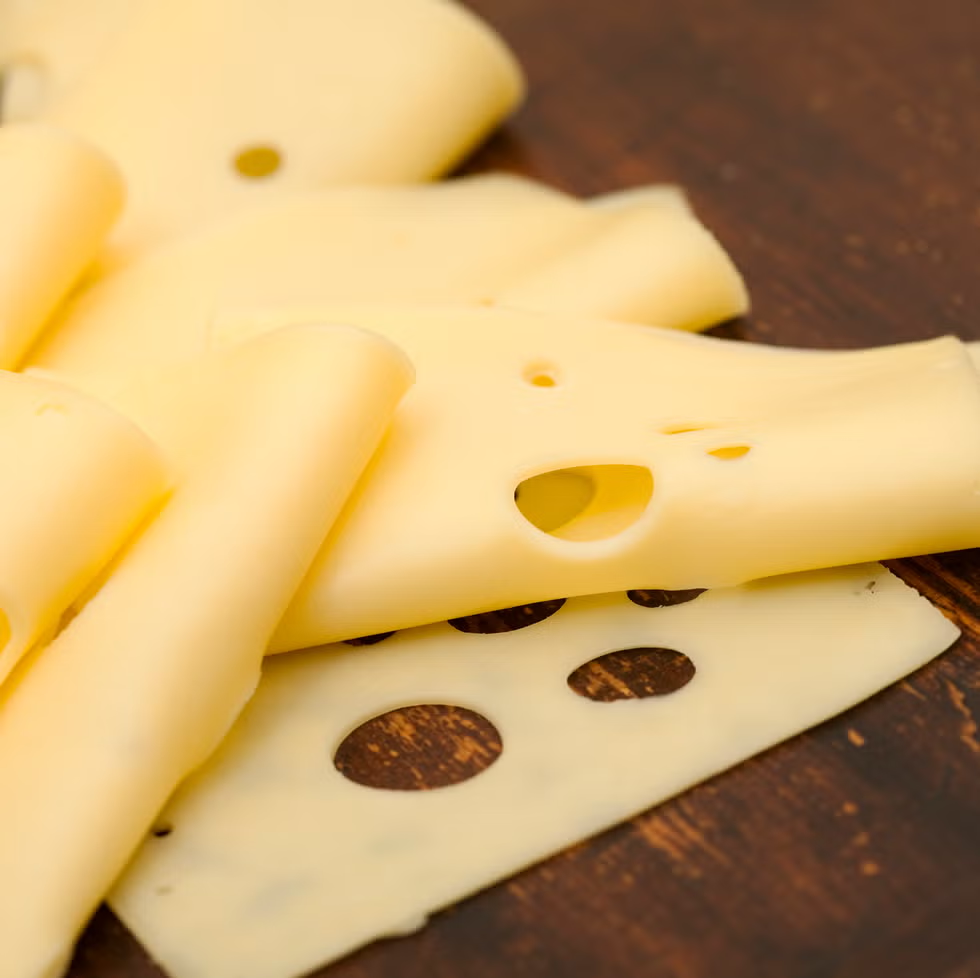
5. Swiss Cheese
This “holey” cheese has serious health credentials:
- Contains probiotic Propionibacterium freudenreichii
- May help reduce inflammation and support immunity
- Rich in Vitamin B12, calcium, and phosphorus
Bottom line: Gut-friendly and immunity-supporting cheese.
So, Can Cheese Be a Health Food?
Yes—if chosen wisely.
Cheese becomes unhealthy when:
- Consumed in excess
- High in sodium and saturated fat without nutritional balance
But the right varieties can:
- Improve protein intake (important for India’s protein gap)
- Support bone health
- Enhance gut microbiome
Final Takeaway
Cheese isn’t just indulgence—it can be functional nutrition. The key is to:
- Choose nutrient-dense options
- Watch portion sizes
- Balance it within your overall diet
A slice of the right cheese won’t hurt your health—in fact, it might quietly improve it.
Join Our “Dairy & Food Jobs Updates” WhatsApp group
Follow the Agri Jobs Updates channel on WhatsApp:
Disclaimer
I do my best to share reliable and well-researched insights but occasional errors or omissions may slip through. Please view all content as informational.
Stay informed on all the latest news updates
All Agriculture Books Free Download
All Dairy Technology Books Free Download
All Agricultural Engineering Books Free download
All Horticulture Books Free Download
All Fisheries Science Books Free Download
For Daily Update follow us at:
Facebook Telegram Whatsapp Instagram YouTube
The contents are provided free for noncommercial purpose such as teaching, training, research, extension and self learning.
If you are facing any Problem than fill form Contact Us
If you want share any article related Agriculture with us than send at info@agrimoon.com with your contact detail.