
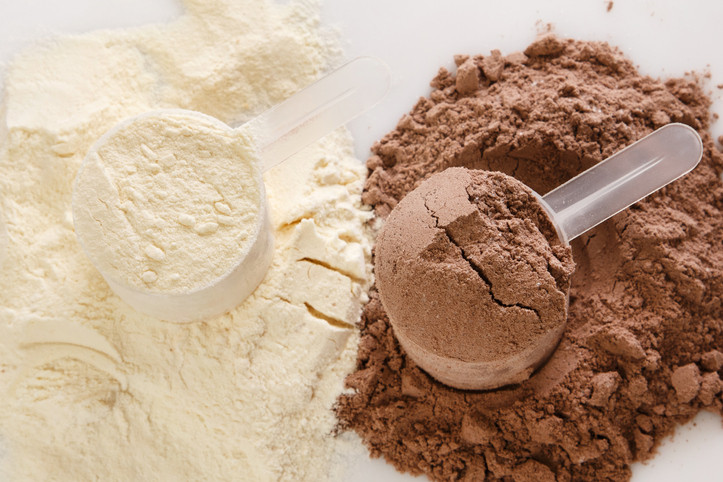
India’s booming fitness culture is fueling a massive rise in demand for nutritional supplements—but not all of it is good news. In a recent crackdown, the Food Safety and Standards Authority of India (FSSAI), along with Delhi Police, uncovered a major illegal distribution hub in Najafgarh.
Officials reported:
- 45 kg of expired whey protein and weight gainers
- 85 kg of protein and creatine products under safety scrutiny
- 2,800 capsules and tablets
- 11 injectable units of banned substances
- 1,500 capsules of SARMs (Selective Androgen Receptor Modulators)
Authorities flagged serious violations, including the sale of supplements without a valid food licence—raising fresh concerns about the safety of unregulated fitness products flooding the market.
What Exactly Is Protein Powder?
Protein powder is a concentrated nutritional supplement made by extracting protein from sources like milk (whey), plants, or eggs. During processing, carbohydrates, fats, and other components are reduced, while flavoring agents, sweeteners, and additives are often added.
Protein itself—derived from the Greek word “protas” meaning primary importance—is essential for:
- Muscle growth and repair
- Hair and tissue development
- Immune function (antibodies)
How Much Protein Do You Actually Need?
As per guidelines from the United States Department of Agriculture (USDA), daily protein intake varies based on lifestyle:
- General adults: ~1.2–2.0 g per kg body weight
- Higher intake is recommended for athletes or physically active individuals
Why Homemade Protein Powder Is Gaining Popularity
With rising concerns over adulteration and expired products, many are turning to homemade protein powders. The advantages are straightforward:
- No preservatives or hidden chemicals
- Customizable ingredients (great for diabetics or specific diets)
- Cost-effective and fresh
Read More: Forget Mozzarella & Cheddar: 6 Traditional Indian Cheeses You Should Try Right Now
How to Make Preservative-Free Protein Powder at Home
Ingredients:
- ¼ cup chia seeds
- ⅓ cup flax seeds
- ½ cup pumpkin seeds
- ⅓ cup sunflower seeds
- ¼ cup almonds
- ½ cup oats
- ¼ cup chana dal
Method:
- Preheat your oven to 160°C for 4–5 minutes.
- Lightly toast the almonds for 4–5 minutes.
- Roast the remaining ingredients (flax, pumpkin, sunflower seeds, oats, chana dal) for 3–4 minutes on low flame or in the oven.
- Let everything cool completely.
- Grind into a fine powder.
- Store in an airtight container.
The Bottom Line
The Delhi raid is a wake-up call: not all supplements on the market are safe. While protein powders remain valuable for fitness and nutrition, quality and source matter more than branding.
Homemade alternatives may not come with glossy packaging—but they do offer something far more important: control, safety, and trust.
Join Our “Dairy & Food Jobs Updates” WhatsApp group
Follow the Agri Jobs Updates channel on WhatsApp:
Disclaimer
I do my best to share reliable and well-researched insights but occasional errors or omissions may slip through. Please view all content as informational.
Stay informed on all the latest news updates
All Agriculture Books Free Download
All Dairy Technology Books Free Download
All Agricultural Engineering Books Free download
All Horticulture Books Free Download
All Fisheries Science Books Free Download
For Daily Update follow us at:
Facebook Telegram Whatsapp Instagram YouTube
The contents are provided free for noncommercial purpose such as teaching, training, research, extension and self learning.
If you are facing any Problem than fill form Contact Us
If you want share any article related Agriculture with us than send at info@agrimoon.com with your contact detail.