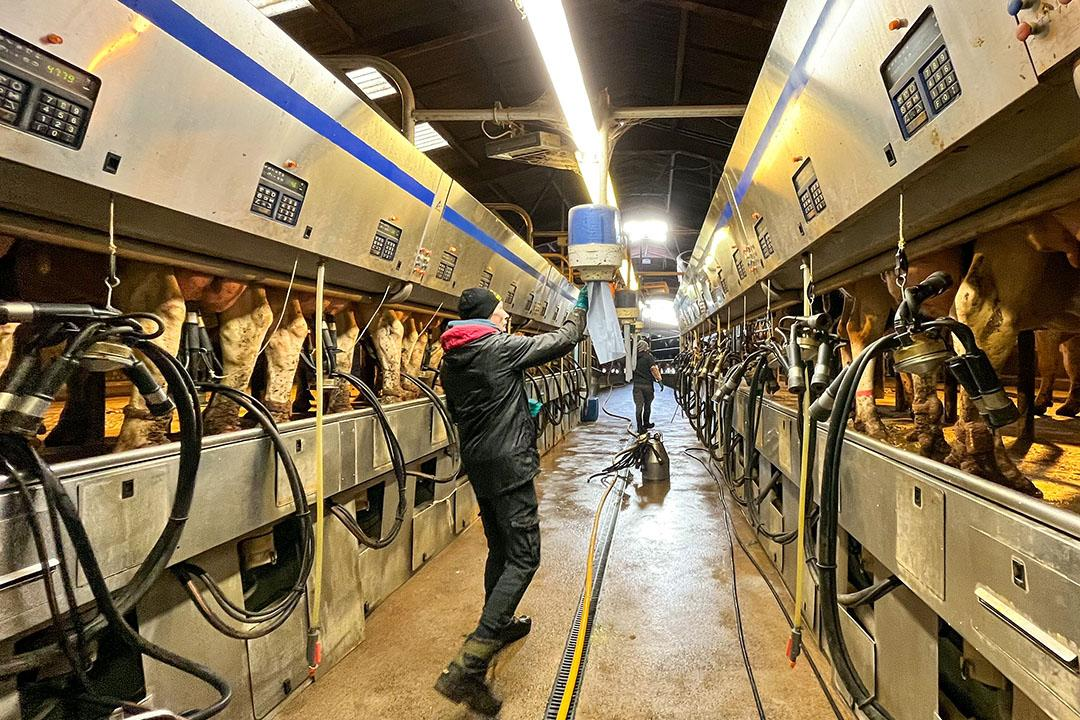
The number of intensive dairy farms in the United Kingdom where cows are reportedly kept indoors year-round has more than doubled over the past decade, raising growing concerns over animal welfare, environmental pollution and the future direction of dairy farming.
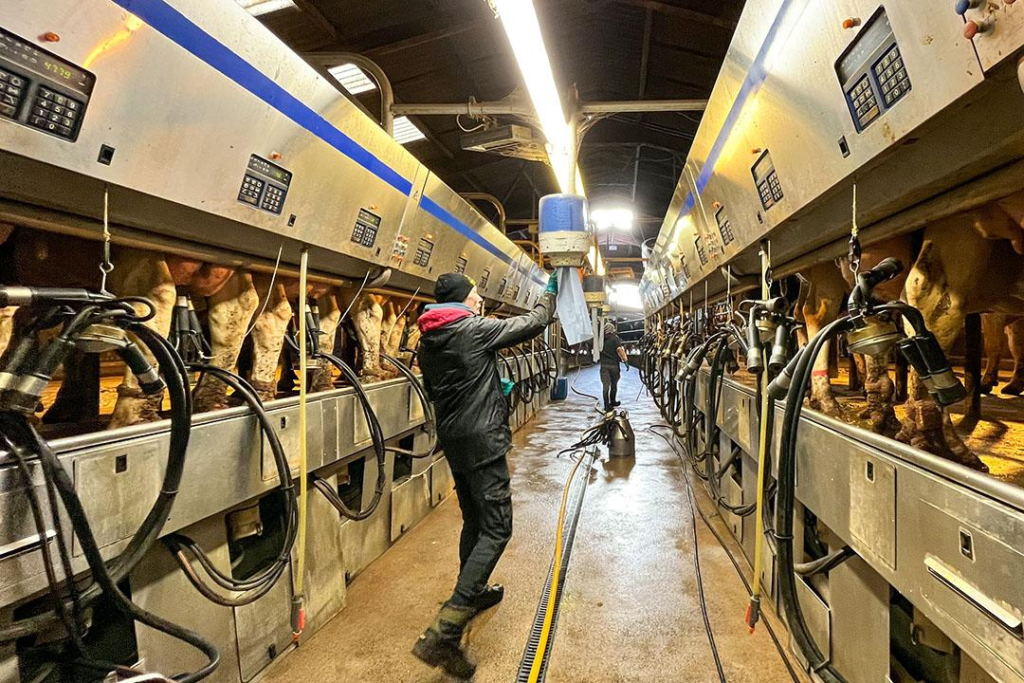
An investigation by the Bureau of Investigative Journalism found that there are now at least 180 dairy farms across Britain where some cattle have no access to outdoor grazing, compared to around 70 such farms in 2015.
According to The Guardian, the investigation also revealed a sharp increase in large-scale “mega dairies” housing more than 700 cows. Around 40 such large facilities are now reportedly operating across the country, with some housing over 2,000 cattle.
Financial Pressure Driving Dairy Intensification
Industry experts say the growth of intensive dairy systems is closely linked to mounting economic pressure on farmers.
Dairy producers across the United Kingdom have faced:
- Rising feed costs
- Higher fertiliser prices
- Increased fuel expenses
- Labour shortages
- Volatile milk prices
Some farmers told investigators they felt compelled to adopt larger, more intensive production systems simply to remain financially viable.
In some cases, milk prices reportedly fell below production costs, placing additional strain on traditional grazing-based dairy farms.
Dairy Hotspots Seeing Rapid Expansion
The investigation identified several regions as major hotspots for intensive dairy expansion, including:
- Devon
- Cornwall
- Dorset
- Cheshire
These areas have reportedly seen a growing concentration of factory-style dairy units over recent years.
Unlike intensive poultry and pig farms, large dairy farms in Britain currently do not require the same type of environmental permits, meaning there is no official public registry tracking their exact number or locations.
Animal Welfare Concerns Intensify
Animal welfare campaigners and some traditional farmers have expressed concern over cows being housed indoors continuously, leading critics to describe such operations as “battery cow” systems.
Patrick Holden said the trend mirrors earlier controversies surrounding battery farming in the poultry industry.
Critics argue that:
- Continuous indoor confinement may affect natural animal behaviour
- Large herd densities could increase health risks
- Industrial systems may prioritise productivity over welfare
However, supporters of intensive dairy systems argue that indoor housing allows:
- Better monitoring of animal health
- Controlled feeding systems
- Improved milk production efficiency
- Protection from extreme weather conditions
Pollution and Environmental Regulation Under Scrutiny
The report also highlighted environmental concerns linked to large-scale dairy and beef farming operations, particularly:
- Waste management
- Water pollution
- Slurry runoff
- Greenhouse gas emissions
Environmental groups are now calling for stricter oversight and stronger regulation of intensive livestock farms.
Department for Environment, Food and Rural Affairs said it is considering extending environmental permitting requirements to dairy farms as part of wider efforts to reduce agricultural pollution incidents.
Read More: Yili Group Expands Global Dairy Innovation Strategy
Industry Warns Against Excessive Regulation
Dairy industry groups cautioned that additional regulations could further burden farmers already operating under severe financial pressure.
Representatives argue that many dairy businesses are struggling to balance:
- Rising production costs
- Sustainability expectations
- Consumer price sensitivity
- Profitability challenges
Analysts say the debate reflects a broader global challenge facing modern dairy farming:
how to maintain affordable milk production while balancing:
- Animal welfare
- Environmental sustainability
- Farm profitability
- Food security
The issue is increasingly shaping policy discussions not only in the United Kingdom but across major dairy-producing nations worldwide.
Join Our “Dairy & Food Jobs Updates” WhatsApp group
Follow the Agri Jobs Updates channel on WhatsApp:
Disclaimer
I do my best to share reliable and well-researched insights but occasional errors or omissions may slip through. Please view all content as informational.
Stay informed on all the latest news updates
All Agriculture Books Free Download
All Dairy Technology Books Free Download
All Agricultural Engineering Books Free download
All Horticulture Books Free Download
All Fisheries Science Books Free Download
For Daily Update follow us at:
Facebook Telegram Whatsapp Instagram YouTube
The contents are provided free for noncommercial purpose such as teaching, training, research, extension and self learning.
If you are facing any Problem than fill form Contact Us
If you want share any article related Agriculture with us than send at info@agrimoon.com with your contact detail.