
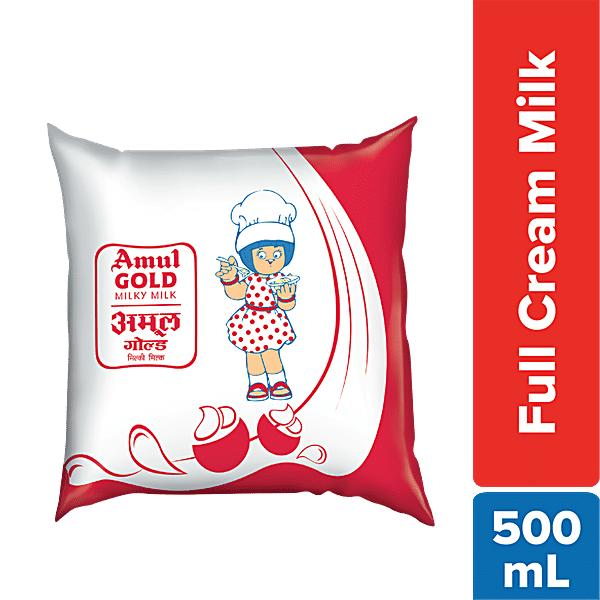
The hike in milk prices effective today, May 14, 2026, adds another layer of financial pressure on Indian households already navigating global economic instability. While the ₹1 to ₹5 increase per packet might seem incremental, the cumulative effect on daily expenses is significant, especially as transportation and global energy costs rise.
New Rate Card: Effective May 14, 2026
Both dairy giants have adjusted their pricing to maintain the supply chain. Below are the specific changes for major variants:
Amul Revised Rates (Pan-India)
| Variant | Pack Size | Old Price | New Price | Increase |
|---|---|---|---|---|
| Taaza | 500 ml | ₹28 | ₹29 | ₹1 |
| Taaza | 1 litre | ₹55 | ₹57 | ₹2 |
| Cow’s Milk | 500 ml | ₹29 | ₹30 | ₹1 |
| Shakti | 500 ml | ₹31 | ₹32 | ₹1 |
| Tea Special | 1 litre | ₹63 | ₹66 | ₹3 |
| Gold | 500 ml | ₹34 | ₹35 | ₹1 |
| Gold | 1 litre | ₹68 | ₹70 | ₹2 |
| Buffalo Milk | 500 ml | ₹37 | ₹39 | ₹2 |
Mother Dairy Revised Rates (Delhi-NCR)
| Variant | Old Price | New Price | Increase |
|---|---|---|---|
| Bulk Vended Milk (Token Milk) | ₹56 | ₹58 | ₹2 |
| Full Cream Milk | ₹70 | ₹72 | ₹2 |
| Toned Milk | ₹58 | ₹60 | ₹2 |
| Double Toned Milk (Live Lite) | ₹52 | ₹54 | ₹2 |
| Cow Milk | ₹60 | ₹62 | ₹2 |
| Pro Milk | ₹70 | ₹72 | ₹2 |
Why the Pinch is Getting Harder: The Global Context
The price hike isn’t just about milk; it is a reflection of a volatile global landscape.
- The Energy Ripple Effect: The ongoing Iran-US conflict has kept global crude oil prices elevated. Even though petrol and diesel prices at the pump have been frozen in India since 2022, the “behind-the-scenes” costs for logistics, plastic packaging (derived from petrochemicals), and cold-chain electricity have surged.
- The Forex Strain: As India pays more for crude imports in dollars, the weakening of the rupee and dwindling forex reserves make everything—from imported vitamins for cattle feed to machinery parts—more expensive.
- Farmer Procurement: Both companies have noted that they are paying more to farmers (upwards of ₹30 per kg of fat) to help them manage their own rising costs for fodder and animal healthcare during intense summer heat.
Read More: Amul, Mother Dairy Raise Milk Prices by ₹2 Per Litre From May 14
Impact on Daily Consumption
For a typical family consuming 2 litres of full-cream milk daily, this hike represents an additional ₹120 to ₹150 per month. While this may appear manageable for some, when combined with high LPG costs and general food inflation, it forces a re-evaluation of household budgets.
Many consumers may start shifting toward Double Toned (Live Lite) variants or Token Milk, which remains the most economical way to purchase fresh milk in urban centers like Delhi-NCR.
The Amul model works on three levels:
- Dairy Cooperative Society
- District Milk Union
- State Milk Federation
All milk-producing farmers in a village become members of the Dairy Cooperative Society. These members elect representatives who collectively manage the District Milk Union.
The District Union processes milk and milk products. After processing, these products are marketed and distributed by the Gujarat Cooperative Milk Marketing Federation Limited (GCMMF), which functions as a distributor and connects the products to the market.
Professionals are hired to manage the supply chain. Around 1.5 million people are employed directly and indirectly in milk collection, processing, and distribution.
The Amul model has become a case study in business schools. In this system, dairy farmers remain in control of the dairy business. It demonstrates how profits can reach even the lowest level of the economic pyramid.
How Is Milk Collected in Millions of Litres?
Across 33 districts in Gujarat, there are 18,600 Village Societies and 18 District Unions connecting over 3.6 million farmers.
- The Morning Rush: The process begins at 5:00 AM. Farmers milk their cattle and bring the cans to the village collection center.
- Automated Testing: By 7:00 AM, workers measure the quantity and the fat content of the milk using a fully automated system.
- Digital Records: Each farmer’s data is saved in a computer. Their earnings are calculated based on both quantity and quality (fat percentage).
- Direct Payments: Farmers use a dedicated app to track their supply and payments. The money is transferred directly to their bank accounts on fixed dates.
Other Facts About Amul
In Amul’s pyramid model, milk producers are at the base. Out of every rupee spent, about 86 paise goes to the cooperative members, while 14 paise is retained for running the cooperative business. Since the quantity is very large, the total amount becomes substantial.
The District Milk Union is headed by a chairman who conducts meetings every month. During these meetings, members review the cooperative business and discuss matters such as expansion plans, purchase of new machinery, and distribution of bonuses to members.
Improving productivity also requires proper care of cattle health. Therefore, cooperative members are provided with free training programs. These programs teach farmers how to take care of cattle and other important practices, which greatly benefit them.
Cattle are fed fodder and nutrients three times a day. Cattle feed plants have been established where feed is prepared by mixing protein, fat, and minerals. The machinery used in these feed plants has been imported from Denmark.
Farmers are also provided with access to super-specialty hospitals. The cooperative offers subsidies to farmers for purchasing new equipment. For example, an automatic milking machine costs around ₹40,000, but with the subsidy, its price is reduced by half.
Join Our “Dairy & Food Jobs Updates” WhatsApp group
Follow the Agri Jobs Updates channel on WhatsApp:
Disclaimer
I do my best to share reliable and well-researched insights but occasional errors or omissions may slip through. Please view all content as informational.
Stay informed on all the latest news updates
All Agriculture Books Free Download
All Dairy Technology Books Free Download
All Agricultural Engineering Books Free download
All Horticulture Books Free Download
All Fisheries Science Books Free Download
For Daily Update follow us at:
Facebook Telegram Whatsapp Instagram YouTube
The contents are provided free for noncommercial purpose such as teaching, training, research, extension and self learning.
If you are facing any Problem than fill form Contact Us
If you want share any article related Agriculture with us than send at info@agrimoon.com with your contact detail.