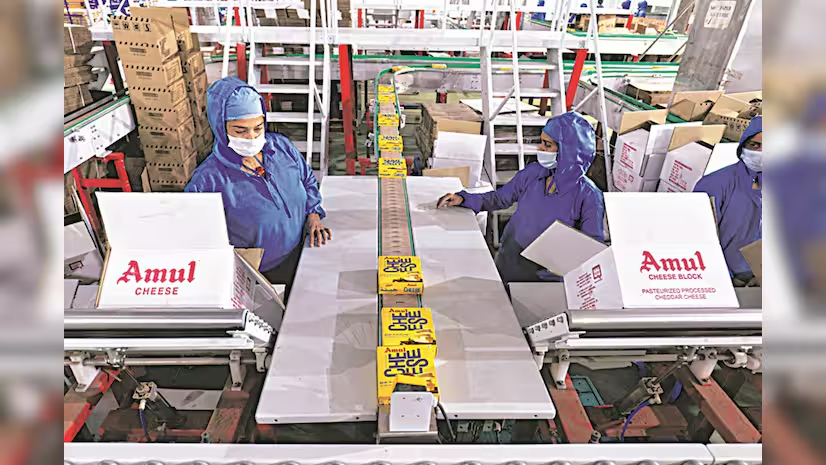
Liquid milk inflation approached 5% in October 2026, while paneer prices rose by more than 5.5%; higher cattle-feed costs, weather concerns and demand for natural dairy products added pressure across the sector.
NEW DELHI: Prices of several milk and dairy products were already under inflationary pressure before Amul and Mother Dairy announced their latest retail price increases in November 2026. Inflation in liquid milk approached the 5% mark in October, while paneer prices increased by more than 5.5%, reflecting cost pressures across parts of the dairy value chain.
According to the Datanomics analysis, liquid milk inflation crossed 4% in September and moved closer to 5% in October. Paneer had crossed 4% inflation in August before rising above 5.5% in October. Curd and yoghurt inflation exceeded 4% in September and increased to 4.4% in October.
The pressure was also visible in milk-based food consumption. Prices of tea and coffee cups crossed 10% inflation in September, while milk-based sweets recorded inflation above 9% that month and moved closer to double digits in October.
However, not all dairy categories experienced similar price movements. Powdered milk, cheese, buttermilk and lassi were reported to have remained relatively insulated from the price pressures during the period.
Dairy inflation extended beyond liquid milk
The inflation trend indicates that price pressures were not limited to drinking milk. Products such as paneer, curd, yoghurt and milk-based sweets also experienced increases, reflecting the influence of raw-milk costs and category-specific demand.
The analysis also estimates that a 20% increase in liquid milk prices across the board could raise overall inflation by 1.05 percentage points. This illustrates the potential impact of milk-price movements on the broader consumer price environment.
Higher cattle-feed costs increase milk production expenses
Rising feed and fodder costs have added to the financial pressure on dairy farmers.
According to industry reporting cited in the supplied analysis, cattle-feed prices in September 2026 were approximately 15–20% higher than a year earlier. Key inputs experiencing price increases included:
- Maize
- De-oiled rice bran cake
- Soybean-based ingredients
- Other feed grains and agricultural inputs
Growing industrial demand for maize, including its use in ethanol production, has added to competition for the commodity and contributed to concerns about its availability and cost for animal feed.
For dairy farmers, higher feed expenditure increases the cost of maintaining animals and producing milk. This makes procurement prices particularly important in determining farm-level returns.
Irregular rainfall raises concerns over winter milk supply
Weather conditions have added another layer of uncertainty to the dairy supply outlook.
Irregular rainfall in several milk-producing regions has raised concerns about fodder availability, animal productivity and milk output. These conditions could affect the extent to which the seasonal increase in milk production eases procurement-price pressures.
Also Read: India’s Growing Milk Fat Shortage: Why Rising Demand Is Putting Pressure on the Dairy Sector
India’s higher milk-production season generally extends from October to February, when cooler weather and seasonal factors typically support increased milk availability.
However, the analysis raises concerns that higher feed costs and weather-related constraints could limit the relief normally expected during the winter flush season. As a result, procurement prices may remain elevated even during the period of seasonally higher milk supply.
Paneer demand adds pressure to milk procurement
Paneer has experienced additional demand amid increased regulatory scrutiny of analogue paneer and greater attention to products made from natural milk.
Milk is the primary raw material for conventional paneer manufacturing. Consequently, stronger demand for milk-based paneer, combined with higher milk procurement costs, can increase the cost of production for processors.
This has made paneer an important example of how regulatory developments, consumer preferences and raw-material prices can interact to influence retail prices.
Cost pressures extend across value-added dairy products
Ghee, butter, curd and cheese are also exposed to changes in raw-milk procurement costs.
For processors, higher milk prices can increase manufacturing expenses and affect margins, particularly when retail price revisions do not immediately match increases in input costs.
For farmers, rising feed and fodder expenses can reduce the benefit of higher milk procurement prices. Consumers, meanwhile, may face higher household expenditure if retail prices continue to rise across multiple dairy categories.
The combined effect illustrates the interconnected nature of the dairy value chain, where changes in feed costs, milk availability and consumer demand can influence prices at different stages.
Productivity and fodder availability remain key priorities
India is the world’s largest milk producer, but maintaining stable milk production requires attention to more than aggregate output.
The factors highlighted in the analysis—including feed prices, animal productivity, seasonal milk availability, weather conditions and consumer demand—will remain important in determining the cost of milk production.
Improving fodder availability, strengthening resilience to weather disruptions and raising animal productivity could help manage production costs over the longer term.
The latest price increases by major dairy brands came against a backdrop of inflationary pressure already visible across several milk and dairy-product categories. The broader challenge for the sector is to balance affordable consumer prices with sustainable milk procurement returns and the rising cost of dairy farming.
Join Our “Dairy & Food Jobs Updates” WhatsApp group
Follow the Agri Jobs Updates channel on WhatsApp:
Disclaimer
I do my best to share reliable and well-researched insights but occasional errors or omissions may slip through. Please view all content as informational.
Stay informed on all the latest news updates
All Agriculture Books Free Download
All Dairy Technology Books Free Download
All Agricultural Engineering Books Free download
All Horticulture Books Free Download
All Fisheries Science Books Free Download
For Daily Update follow us at:
Facebook Telegram Whatsapp Instagram YouTube
The contents are provided free for noncommercial purpose such as teaching, training, research, extension and self learning.
If you are facing any Problem than fill form Contact Us
If you want share any article related Agriculture with us than send at info@agrimoon.com with your contact detail.