
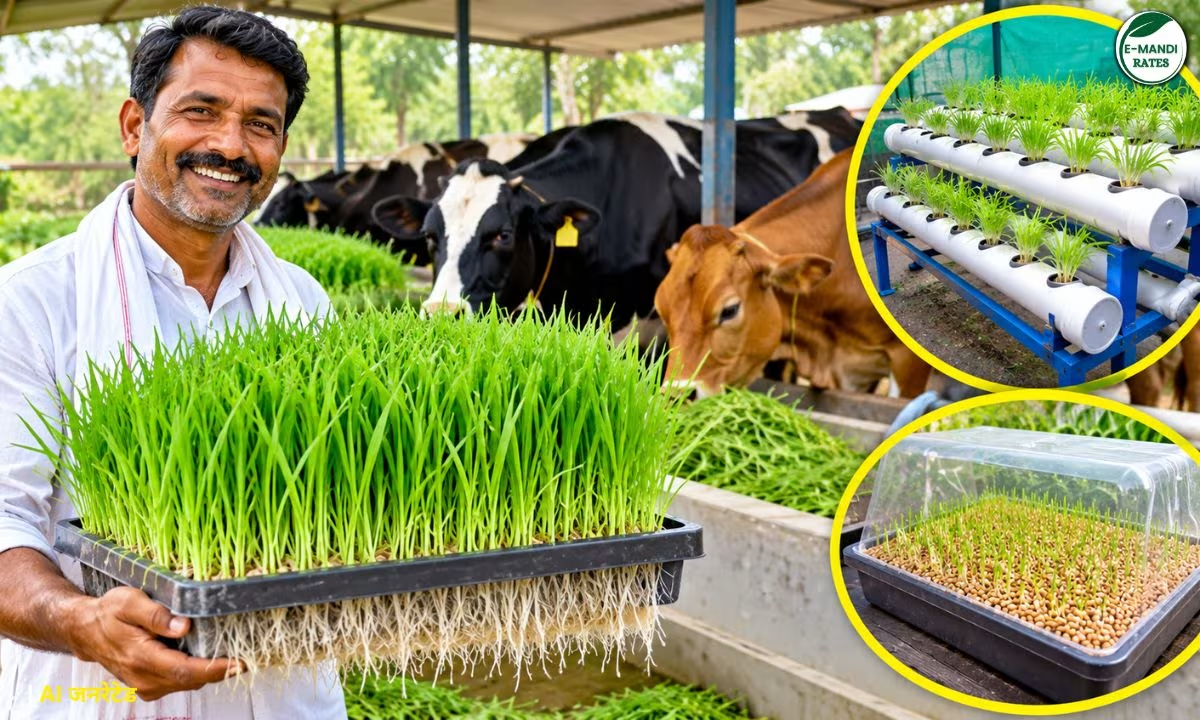
Hydroponic Fodder and Azolla: Two Low-Space Methods to Supplement Green Feed for Dairy Animals.
Hydroponic systems can produce a harvestable green fodder mat in 7–8 days, while Azolla offers a protein-rich supplementary feed option for livestock farmers
Limited farmland, seasonal fodder shortages and rising feed costs are persistent challenges for livestock farmers. Hydroponic fodder production and Azolla cultivation are two methods that can help farmers produce supplementary feed in relatively small spaces.
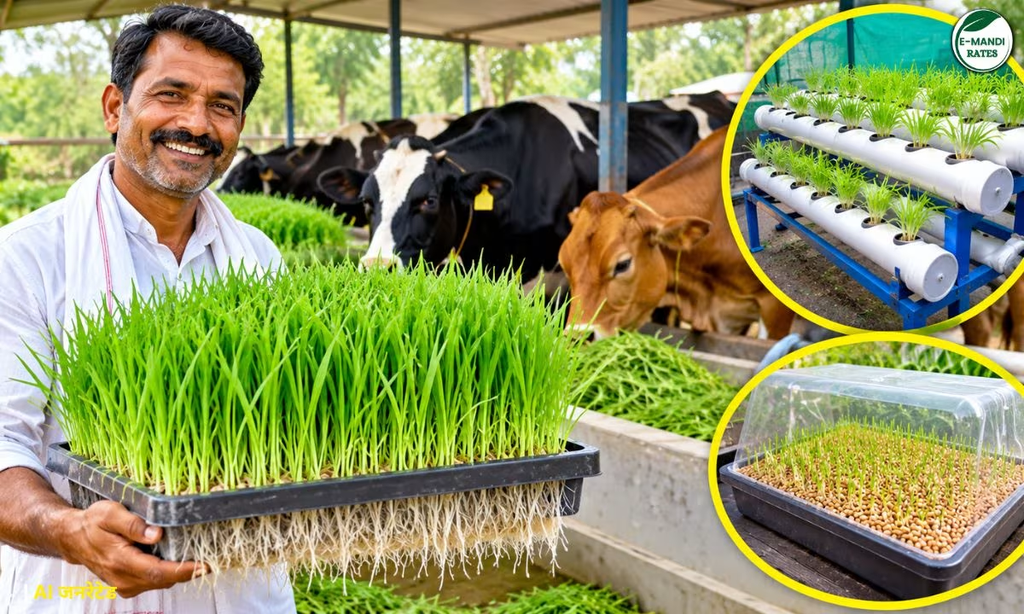
Hydroponic technology allows seeds such as maize, barley, wheat and sorghum to sprout without soil, producing a mat of roots, stems and leaves within approximately 7–8 days. Azolla, a small aquatic fern, can be cultivated in a shallow tank or lined pit and used as a protein-rich feed supplement.
The Maharashtra government has announced plans to promote both technologies and provide training to livestock farmers in fodder production, conservation and processing.
1. Hydroponic fodder production without soil
Hydroponic fodder production involves growing cereal seeds in trays using water rather than soil. Maize and barley are commonly used, although wheat and sorghum can also be cultivated.
According to the ICAR figures cited in the source, approximately 5.5–7.5 kg of fresh green fodder can be obtained from 1–1.25 kg of seeds in a tray measuring 46 × 83 cm. Harvesting generally takes place after 7–8 days, depending on seed quality and growing conditions.
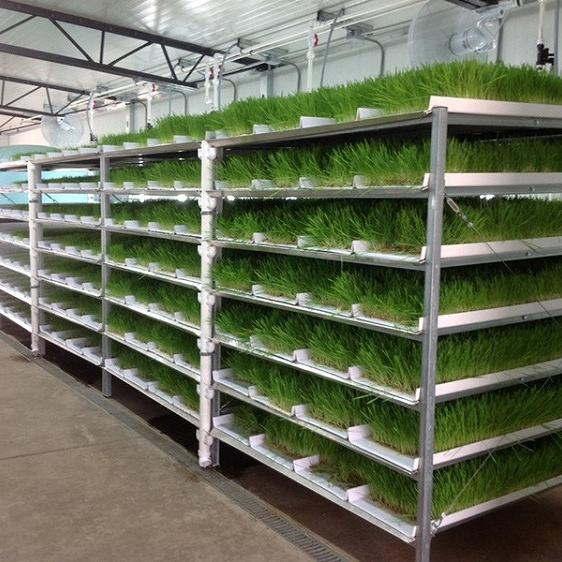
Steps to produce hydroponic fodder
Step 1: Select good-quality seeds
Choose healthy, viable seeds of maize, barley, wheat or sorghum. Remove broken, damaged, discoloured or fungus-infected seeds.
Step 2: Clean and soak the seeds
Wash the seeds thoroughly with clean water to remove dust and impurities. Soak them for approximately 8–12 hours, adjusting the duration according to the seed type.
Step 3: Spread seeds in trays
Drain the soaked seeds and spread them evenly in clean plastic trays with drainage holes. Avoid excessive seed loading, which can restrict airflow and encourage fungal growth.
Step 4: Arrange trays on racks
Place the trays on racks in a protected growing area. Provide regular watering or misting to maintain moisture while ensuring that excess water drains freely.
Step 5: Harvest the fodder
After approximately 7–8 days, a mat of roots, stems and leaves develops. Remove the mat, cut it into manageable pieces and feed it to livestock as part of a balanced ration.
2. Azolla cultivation in limited space
Azolla is a small aquatic fern that grows on the surface of water. It is used as a supplementary feed ingredient for livestock because it contains protein, vitamins and minerals.
The source cites ICAR information indicating that Azolla can contain more than 23% crude protein. Its nutritional composition varies with the species, growing conditions and harvesting stage.
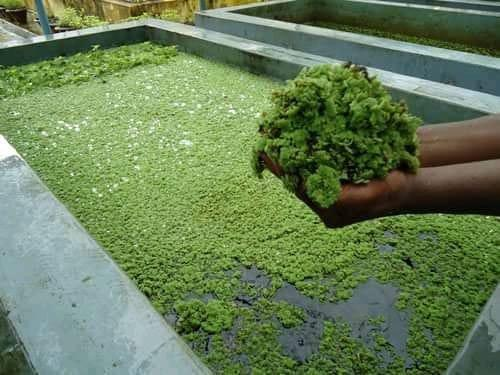
Steps to cultivate Azolla
Step 1: Prepare a tank or lined pit
Select a shaded location near the livestock shed or farmhouse. Prepare a shallow pit or tank and line it with a durable plastic sheet or suitable PVC material.
Step 2: Add clean water
Fill the tank with clean water. Maintain suitable water depth and growing conditions according to the cultivation method being followed.
Step 3: Introduce Azolla culture
Add healthy Azolla culture obtained from a Krishi Vigyan Kendra (KVK), agricultural institution or reliable supplier. Avoid introducing contaminated material.
Step 4: Protect and maintain the culture
Use a suitable protective cover, such as a mosquito net, to reduce contamination from leaves and insects. Monitor water quality and remove unwanted material regularly.
Step 5: Harvest and prepare for feeding
Harvest mature Azolla using a net or perforated container. Wash it with clean water before feeding. Introduce it gradually by mixing small quantities with the regular ration.
Also Read: Bombay High Court Refuses to Stay Gokul Dairy Ordinance Ahead of Chairman Election
The source also cites an ICAR study reporting that a tank could produce around 1 kg of fresh Azolla daily after approximately 10 days under the conditions studied. Actual output will vary with tank size, culture quality, temperature and management.
Potential benefits for dairy farmers
Both methods can help farmers diversify their feed resources, particularly where land availability and seasonal fodder supply are constraints.
| Parameter | Hydroponic fodder | Azolla |
|---|---|---|
| Growing medium | Water in trays | Shallow water tank or lined pit |
| Common materials | Maize, barley, wheat, sorghum seeds | Azolla culture |
| Approximate growing period | 7–8 days | Around 10 days for initial growth in the cited study |
| Main nutritional role | Fresh sprouted green fodder | Protein-rich supplementary feed |
| Space requirement | Racks and trays | Small tank or lined pit |
Reported effect on milk production
The supplied source cites an ICAR study in which cows receiving 1 kg of fresh Azolla daily showed an average increase of approximately 0.6 litres in daily milk production.
This should be treated as a result under the conditions of that particular study, not as a guaranteed response. Milk yield depends on breed, lactation stage, animal health, feed quality and the overall ration.
Precautions for safe production and feeding
Good hygiene and proper feeding management are essential for both systems.
- Maintain tray hygiene: Clean hydroponic trays and watering equipment regularly.
- Prevent fungal growth: Ensure adequate drainage and ventilation. Discard fodder showing visible mould, fungal growth or unpleasant odours.
- Use clean water: Avoid contaminated water in both hydroponic systems and Azolla tanks.
- Maintain Azolla culture quality: Remove unwanted material and replace contaminated cultures.
- Introduce feed gradually: Start with small quantities and observe the animals’ response.
- Maintain a balanced ration: Neither hydroponic fodder nor Azolla should completely replace conventional green fodder, dry fodder or concentrate feed.
Maharashtra promotes alternative fodder technologies
The Maharashtra government has decided to encourage hydroponic fodder production and Azolla cultivation as part of efforts to address fodder shortages. Training in fodder production, conservation and processing is also being promoted.
For livestock farmers, these technologies may offer additional ways to manage feed availability in areas where agricultural land, water resources or conventional fodder supplies are limited.
Conclusion: Supplementary feed options for a more resilient dairy farm
Hydroponic fodder and Azolla cultivation offer two different approaches to producing supplementary livestock feed in limited space. Hydroponics produces sprouted cereal fodder over a short growing cycle, while Azolla provides an additional source of protein and other nutrients.
Their usefulness will depend on local production costs, water availability, hygiene, labour requirements and the nutritional needs of the animals. When integrated appropriately into a balanced feeding programme, both methods can contribute to more flexible fodder management on dairy farms.
Join Our “Dairy & Food Jobs Updates” WhatsApp group
Follow the Agri Jobs Updates channel on WhatsApp:
Disclaimer
I do my best to share reliable and well-researched insights but occasional errors or omissions may slip through. Please view all content as informational.
Stay informed on all the latest news updates
All Agriculture Books Free Download
All Dairy Technology Books Free Download
All Agricultural Engineering Books Free download
All Horticulture Books Free Download
All Fisheries Science Books Free Download
For Daily Update follow us at:
Facebook Telegram Whatsapp Instagram YouTube
The contents are provided free for noncommercial purpose such as teaching, training, research, extension and self learning.
If you are facing any Problem than fill form Contact Us
If you want share any article related Agriculture with us than send at info@agrimoon.com with your contact detail.