Milk production continues to grow, but the increasing contribution of cow milk relative to buffalo milk is changing the country’s milk-solids balance, creating pressure on fat availability and raising the possibility of an SMP surplus.
NEW DELHI: India’s dairy sector is facing a growing imbalance between the supply of milk fat and the demand for high-fat dairy products. Although national milk production has continued to increase, the changing composition of milk output—with a greater contribution from cows relative to buffaloes—is creating challenges for meeting the demand for milk fat.
According to the US Department of Agriculture (USDA), India’s milk production has grown by approximately 3% annually over the past decade. However, higher overall milk production does not necessarily translate into a proportionate increase in milk fat availability.
The issue is becoming increasingly important as demand rises for genuine ghee, butter, khoya, paneer, cheese and other dairy products that require milk fat as a key ingredient.
Rising demand for genuine dairy fat
Increased consumer awareness and regulatory scrutiny of food adulteration have strengthened demand for products made from genuine milk ingredients.
Food-safety enforcement against suspected adulteration and the use of non-dairy fats in products marketed as dairy foods has also brought greater attention to product authenticity. The controversy surrounding the Tirupati laddu in September 2024 further intensified public and regulatory scrutiny of dairy ingredients used in food preparation.
Tax changes have also influenced the consumption environment. In September 2025, GST rates were reduced on several dairy and frozen dessert categories, including:
- Ghee, butter and cheese: 12% to 5%
- Ice cream: 18% to 5%
- Paneer: 5% to 0%
These changes, alongside rising incomes and changing consumption preferences, have contributed to a market environment in which demand for dairy products and milk-fat-rich ingredients is increasing.
However, the supply of milk fat is not necessarily growing at the same pace.
The changing contribution of cow and buffalo milk
A key factor behind the emerging imbalance is the changing composition of India’s milk production.
Cow milk and buffalo milk differ significantly in their fat and solids-not-fat (SNF) content. The standard values cited in the source are:
| Parameter | Cow milk | Buffalo milk |
|---|---|---|
| Fat | 3.5% | 6.5% |
| SNF | 8.5% | 9.0% |
| Total solids | 12.0% | 15.5% |
Buffalo milk therefore provides substantially more fat per litre than standard cow milk.
The article notes that buffaloes’ contribution to India’s total milk production has declined from approximately 60% three decades ago to around 45% currently. If this trend continues, the changing species composition of milk production could affect the availability of milk fat, even as total milk output increases.
This distinction is important: growth in milk volume and growth in milk-fat availability are not the same thing.
Why higher cow milk production can create an SMP imbalance
Milk contains two major solids components: milk fat and solids-not-fat (SNF).
When more cow milk is processed to meet rising demand for dairy fat, the separation of cream generates a larger quantity of skim milk. This can increase the availability of skimmed milk solids and, in turn, skimmed milk powder (SMP).
Also Read: Nandini’s Price Hikes: Could Milky Mist Strengthen Its Presence in Karnataka?
The challenge is that demand for SMP may not expand at the same rate as demand for milk fat.
This could create a structural imbalance in the dairy industry:
- Milk fat: Demand may grow faster than domestic supply, putting pressure on butter, cream and other fat-rich dairy ingredients.
- SMP: Increased production alongside slower demand growth could lead to surplus stocks and weaker realisations.
Consequently, India could face a situation in which it has sufficient milk volume but does not have the right balance of milk components to meet market requirements efficiently.
Butter prices signal pressure on milk fat availability
The price movement of butter and SMP provides another indication of the changing market dynamics.
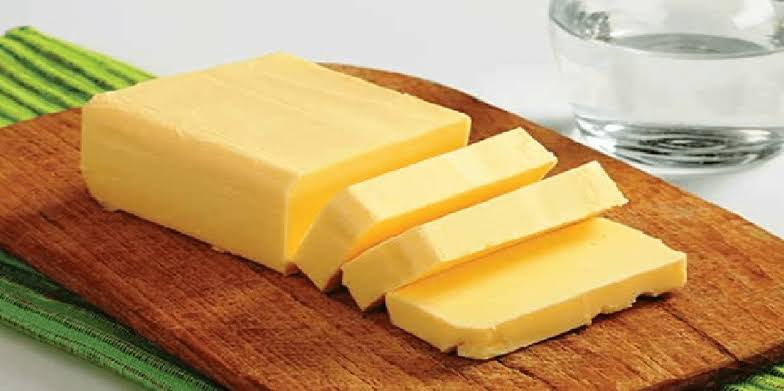
According to the figures cited in the source, average ex-dairy butter prices increased by more than 54% between October 2023 and October 2026, while SMP prices rose by approximately 18% over the same period.
Reported price movement (October 2023–October 2026)
| Product | Price increase |
|---|---|
| Butter | More than 54% |
| Skimmed milk powder (SMP) | Approximately 18% |
The significantly higher increase in butter prices compared with SMP is consistent with tighter market conditions for milk fat relative to skimmed milk solids. However, prices can also be influenced by production costs, inventories, trade and seasonal demand.
What this means for India’s dairy industry
The emerging milk-fat imbalance has implications across the dairy value chain.
1. Greater pressure on procurement and milk pricing
Dairy processors may need to pay greater attention to fat-based procurement incentives and the availability of high-fat milk, particularly buffalo milk.
2. Increased importance of component balancing
Dairy plants will need to optimise the utilisation of milk fat and SNF through efficient separation, standardisation, cream processing and powder production.
3. Potential SMP surplus
If milk production grows faster than demand for skimmed milk solids, processors could face higher inventories and pressure on SMP prices.
4. Greater focus on buffalo productivity
Improving buffalo health, breeding, feeding, reproductive management and milk yield could help strengthen the availability of high-fat milk.
5. Stronger quality control and product authenticity
As demand for genuine dairy fat increases, testing and traceability will remain important for preventing the substitution of milk fat with unauthorised or undeclared non-dairy fats.
The policy challenge: balancing milk volume with milk composition
India’s achievement in becoming the world’s largest milk producer reflects decades of investment in dairy development, cooperative institutions and milk procurement infrastructure.
The next challenge is to ensure that growth in milk production is matched by the right composition of milk solids.
A strategy focused only on increasing total milk output may not fully address the changing requirements of the dairy market. Greater attention to buffalo productivity, fat and SNF balancing, processing efficiency, farmer incentives and market demand will be important.
India’s dairy challenge is no longer only about producing more milk. It is increasingly about producing the right balance of milk fat and solids-not-fat to meet changing consumer demand while maintaining the economic efficiency of the dairy value chain.
Join Our “Dairy & Food Jobs Updates” WhatsApp group
Follow the Agri Jobs Updates channel on WhatsApp:
Disclaimer
I do my best to share reliable and well-researched insights but occasional errors or omissions may slip through. Please view all content as informational.
Stay informed on all the latest news updates
All Agriculture Books Free Download
All Dairy Technology Books Free Download
All Agricultural Engineering Books Free download
All Horticulture Books Free Download
All Fisheries Science Books Free Download
For Daily Update follow us at:
Facebook Telegram Whatsapp Instagram YouTube
The contents are provided free for noncommercial purpose such as teaching, training, research, extension and self learning.
If you are facing any Problem than fill form Contact Us
If you want share any article related Agriculture with us than send at info@agrimoon.com with your contact detail.