From milk reception and CIP to pasteurisation and contamination control, AI-generated training videos can help dairy plants standardise procedures, improve knowledge retention and support multilingual workforce training.
At a milk chilling centre near Mehsana, a farmer’s milk is rejected because of high acidity. The tester explains the result, but the farmer struggles to understand what went wrong and how to prevent it. The explanation has been given, and the procedure is documented, yet the knowledge has not translated into practical action.
This scenario illustrates a persistent challenge in the dairy industry: having a standard operating procedure (SOP) is not the same as ensuring that every person understands and follows it correctly.
Dairy processing depends on consistent execution of procedures across milk collection, chilling, pasteurisation, cleaning, packaging, storage and distribution. However, language barriers, staff turnover, time constraints and differences in practical experience can make conventional training difficult to deliver consistently.
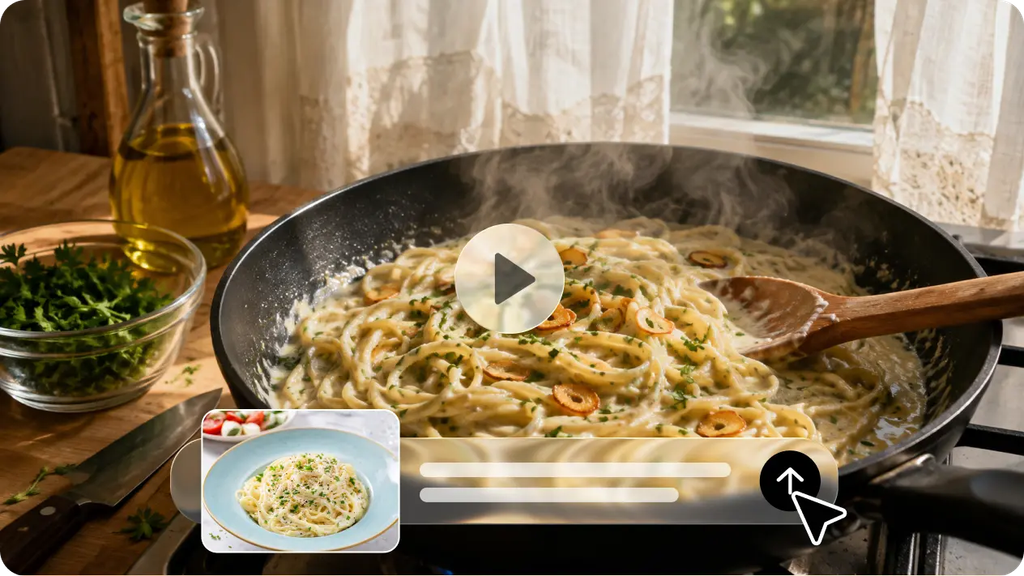
AI-powered video generation offers another way to communicate these procedures through short, visual demonstrations that workers can review when needed.
Why conventional dairy training often falls short
Most dairy plants have established procedures for cleaning-in-place (CIP), pasteurisation, equipment operation, personal hygiene and quality control. These may be documented in manuals, displayed on noticeboards or explained during induction sessions.
The difficulty lies in transferring that information into routine workplace practice.
Language barriers: Technical documents may be written in English, while workers are more comfortable with regional languages. In multilingual workplaces, verbal translation can introduce inconsistencies.
Learning through observation: Many workers learn by watching experienced operators. This is useful for practical skills, but incorrect shortcuts can also be passed from one employee to another.
High staff turnover: Seasonal recruitment and frequent changes in staffing can require supervisors to repeat the same training. New employees may be expected to perform tasks before they have developed sufficient practical competence.
Limited training time: Production schedules leave little room for lengthy classroom sessions, particularly when supervisors must simultaneously manage quality, output and equipment performance.
These challenges make accessible, repeatable and standardised training materials valuable for dairy operations.
How AI-generated videos can improve practical learning
Traditional SOPs explain what should be done. A demonstration can show how a task is performed, in what sequence and what to observe at each stage.
AI video tools can help convert approved written procedures into short visual training materials without requiring a production team to film every task from scratch.
Potential applications include:
- Milk reception: Demonstrating sampling, temperature checks, acidity testing and the correct handling of rejected milk.
- CIP operations: Illustrating the sequence of pre-rinsing, detergent circulation, intermediate rinsing and final checks, as specified in the plant’s validated procedure.
- Pasteurisation: Explaining the relationship between temperature, holding time, flow diversion and the recording of critical process parameters.
- Equipment operation: Showing approved start-up, shutdown, inspection and cleaning sequences.
- Personal hygiene: Demonstrating correct handwashing, protective clothing, footwear practices and hygienic movement between processing areas.
- Contamination prevention: Illustrating how equipment, containers, personnel or workflow practices can transfer contamination between raw and processed product areas.
The resulting videos can be organised by task and made available on phones, tablets or shared screens. Workers can replay difficult steps before supervised practice or use the videos as refreshers during routine operations.
Food safety education through visual demonstrations
Food safety concepts can be difficult to understand when presented only as technical definitions. Visual demonstrations can help connect an action with its potential consequence.
1. Temperature control and microbial growth
Milk held outside recommended temperature conditions may support microbial growth, depending on the initial contamination, time and temperature. The product may not show obvious changes in appearance or smell before it becomes unsuitable.
A training video can illustrate how delays in chilling affect milk quality, demonstrate the correct use of calibrated thermometers and explain the actions required when a temperature limit is exceeded.
The video should use validated plant-specific limits rather than generic values.
2. Cross-contamination prevention
A visual sequence can demonstrate how contaminated crates, hands, footwear or equipment may transfer microorganisms into cleaner processing or packaging areas.
Workers can be asked to identify incorrect practices before viewing the corrected procedure. This turns a passive video into a short learning exercise.
3. Chemical handling and CIP safety
Videos can explain chemical identification, protective equipment, approved dilution procedures, circulation requirements and verification checks.
However, chemical concentrations, compatibility, emergency responses and equipment-specific instructions must come from approved safety documentation. A generated video must never replace hands-on training or the manufacturer’s instructions.
4. Allergen and foreign-material control
Training materials can illustrate segregation, cleaning verification, product changeovers, foreign-material reporting and the correct response to broken glass or damaged equipment.
These scenarios are particularly useful because workers may encounter some hazards infrequently and have limited opportunities to observe the correct response in real time.
AI video generation reduces the burden of content production
Producing training videos internally can require cameras, filming schedules, editing skills, staff availability and repeated recording whenever a procedure changes.
AI video-generation platforms can reduce some of these production barriers by creating visual sequences from written prompts or scripts.
For example, a quality assurance officer could draft a short script explaining milk reception checks, convert it into a visual sequence using a text-to-video tool, and then review the output with an experienced operator before approving it for staff training.
Platforms such as <Entity value=”Dreamina” category=”software” disambig=”AI-powered image and video generation platform”/> provide text-to-video capabilities that may assist with creating illustrative training content. The suitability of any generated output depends on the accuracy of the visuals, the complexity of the procedure and the level of technical review.
The most useful advantage is the potential to revise materials more quickly when approved procedures change. Instead of rebuilding an entire training package, a plant may be able to update a short video covering the affected task.
However, AI-generated visuals should not be assumed to depict actual equipment or process conditions accurately.
Supporting multilingual and repeatable workforce training
Dairy plants may employ workers with different educational backgrounds and language preferences. Short videos with regional-language narration, subtitles and clear visual sequences can help make training more accessible.
A plant could maintain a structured library of short modules covering:
- Milk collection and reception
- Laboratory sampling and basic quality checks
- Pasteuriser operation and monitoring
- CIP and sanitation
- Packaging-line hygiene
- Cold-chain management
- Occupational safety and chemical handling
- Product traceability and documentation
Each module should have a designated owner, approval date, version number and review schedule. This would help ensure that workers use the current approved procedure rather than an outdated video.
Also Read: Aavin Says Over 90% of Additional Revenue from Dairy Price Hike Will Support Milk Producers
Importantly, accessibility does not guarantee understanding. Plants should assess learning through questions, demonstrations and direct observation.
What AI-generated training videos cannot replace
AI video generation is a training aid, not an authority on dairy processing.
A generated sequence may show an incorrect valve arrangement, an unsuitable chemical-handling method or an inaccurate equipment configuration. Because video can appear convincing, these errors may be especially difficult for inexperienced workers to recognise.
Dairy plants should therefore adopt a controlled approval process:
- Prepare an approved script based on the current SOP, hazard analysis and equipment documentation.
- Generate the video using the script and clearly defined visual requirements.
- Review technical accuracy with the relevant process engineer, quality assurance professional or experienced operator.
- Validate the training material against actual plant conditions and applicable food safety requirements.
- Train workers under supervision and assess their practical competence before authorising independent operation.
- Review and update the video whenever the process, equipment, limits or approved procedure changes.
Videos should not substitute for practical competency assessment, particularly for chemical handling, equipment maintenance, emergency response or the operation of critical control measures.
Measuring whether the technology works
The success of AI-supported training should be measured by improvements in employee competence and operational performance, rather than by the number of videos produced or viewed.
Dairy plants could monitor:
- Training completion and assessment scores
- Correct execution of SOPs during observed tasks
- Repeat deviations and sanitation failures
- Milk rejection patterns and recurring quality defects
- Errors associated with documentation or traceability
- Time required to train new employees
- Training-material revision and approval records
These indicators should be evaluated against a baseline and interpreted alongside changes in production volume, staffing, equipment and raw-milk quality. A reduction in deviations cannot automatically be attributed to video training without further assessment.
The way forward for dairy processing education
AI-generated video technology offers dairy processors a practical opportunity to make training more visual, repeatable and accessible. It may be particularly useful in facilities where supervisors repeatedly explain the same tasks, workers speak different languages or conventional training materials are difficult to update.
Its value, however, depends on the quality of the underlying SOPs, expert validation, supervised practice and regular review.
The objective is not to replace experienced operators or quality professionals. It is to make their knowledge easier to communicate and retain across shifts, locations and generations of workers.
For the dairy industry, the real opportunity lies in combining AI-generated visual learning with validated procedures, practical demonstrations and competency-based assessment—helping transform documented knowledge into consistent workplace practice.
Join Our “Dairy & Food Jobs Updates” WhatsApp group
Follow the Agri Jobs Updates channel on WhatsApp:
Disclaimer
I do my best to share reliable and well-researched insights but occasional errors or omissions may slip through. Please view all content as informational.
Stay informed on all the latest news updates
All Agriculture Books Free Download
All Dairy Technology Books Free Download
All Agricultural Engineering Books Free download
All Horticulture Books Free Download
All Fisheries Science Books Free Download
For Daily Update follow us at:
Facebook Telegram Whatsapp Instagram YouTube
The contents are provided free for noncommercial purpose such as teaching, training, research, extension and self learning.
If you are facing any Problem than fill form Contact Us
If you want share any article related Agriculture with us than send at info@agrimoon.com with your contact detail.