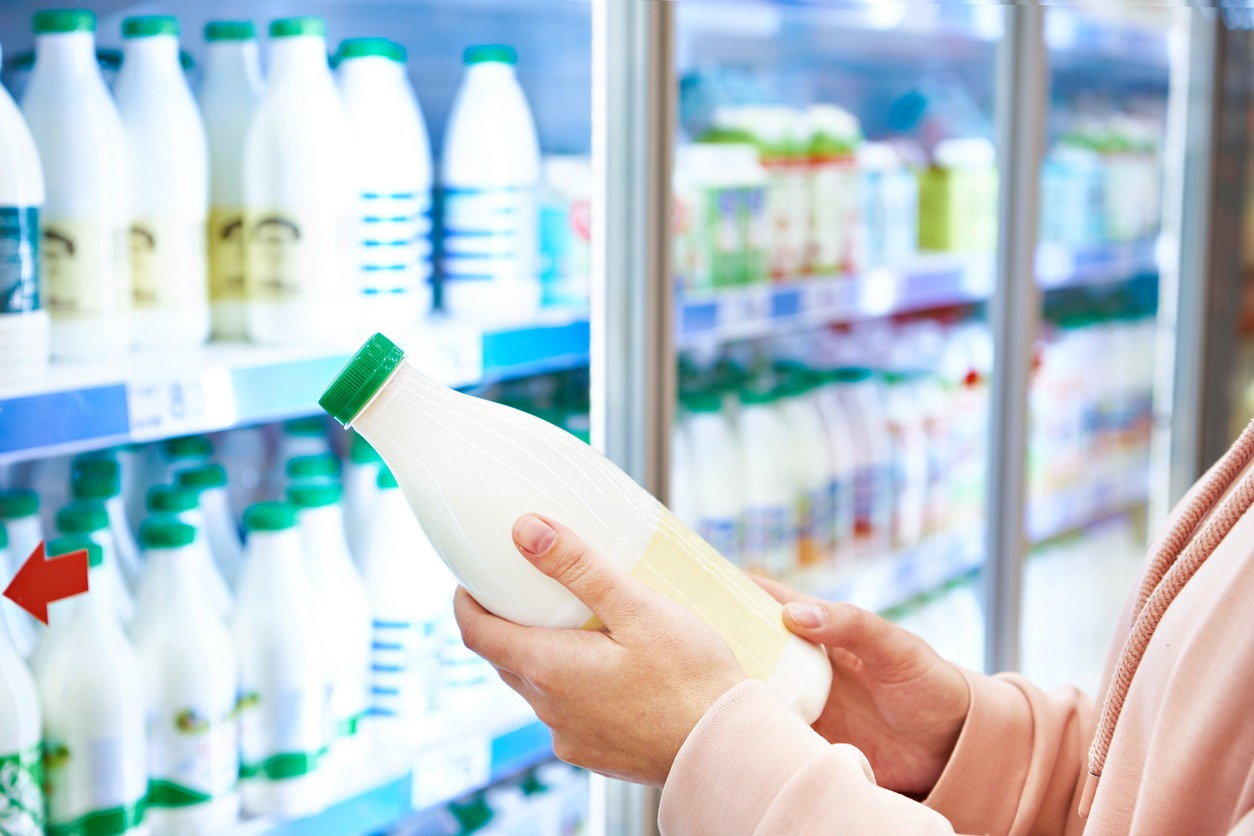
Hyderabad: A new scientific study mapping Hyderabad’s informal dairy supply chain has raised concerns over microbial contamination in raw milk, hygiene practices, adulteration, and the economic challenges faced by small dairy farmers. The study highlights the need for stronger food safety measures and greater institutional support across the dairy value chain.
The research, published in Philosophical Transactions of the Royal Society B, was conducted by scientists from the Royal Veterinary College, the ICMR–National Institute of Nutrition (ICMR-NIN), the International Livestock Research Institute (ILRI), the London School of Hygiene & Tropical Medicine, and other collaborating institutions.
The study focused on two low-income neighbourhoods of Hyderabad—Addagutta and Warasiguda—and involved interviews with dairy farmers, milk collection centre operators, wholesalers, and retailers. Researchers also analysed 42 raw milk samples, 24 cattle feed samples, and 20 water samples collected from various points in the dairy supply chain.
Significant Microbial Contamination Detected
Laboratory analysis revealed widespread microbial contamination in raw milk samples:
- 90.5% tested positive for faecal coliform bacteria.
- 95.2% showed yeast and mould contamination.
- 100% exhibited bacterial growth in aerobic plate count tests.
- Salmonella was detected in approximately 33% of samples.
- Staphylococcus aureus was found in nearly 31% of samples.
- E. coli was present in around 12% of samples.
Researchers also found contamination in water used for cleaning dairy equipment and handling milk. Although none of the water samples contained E. coli, a majority tested positive for faecal coliforms, yeast, mould, and bacterial growth.
The study cautioned that repeated consumption of contaminated milk may increase the risk of diarrhoeal diseases, gut inflammation, and impaired nutrient absorption, particularly among infants and young children.
Trust-Based Supply Chain with Limited Quality Checks
The study observed that milk transactions within Hyderabad’s informal dairy sector largely operate on long-standing relationships and trust rather than formal contracts or routine quality testing.
Consumers typically rely on brand familiarity, visual inspection, and retailer reputation when purchasing milk, while retailers often have limited traceability regarding the origin of the milk they sell.
Researchers noted that inadequate quality assurance mechanisms across the supply chain can create food safety vulnerabilities, especially in informal markets.
Financial Pressure on Dairy Farmers
The study highlighted rising feed and veterinary costs as major challenges affecting dairy farmers. According to respondents, increasing production costs have reduced profitability and, in some cases, contributed to compromises in milk quality.
Farmers reported that veterinary treatment costs can range between ₹1,000 and ₹1,500 per animal per visit, while quality cattle feed remains expensive for small producers.
Economic pressures have also contributed to varying milk quality being sold in local markets, with some respondents acknowledging the practice of milk dilution to cater to price-sensitive consumers.
Concerns Over Milk Adulteration
Interviews conducted during the study revealed allegations of milk adulteration practices such as water dilution and the addition of substances including milk powder and urea. However, researchers clarified that some respondents may have confused legitimate dairy processing practices, such as milk reconstitution, with adulteration.
The study did not quantify the prevalence of specific adulterants through laboratory testing but highlighted the need for greater consumer awareness, improved testing mechanisms, and stricter regulatory oversight.
Power Imbalance Within the Dairy Value Chain
Researchers also identified structural challenges within the dairy ecosystem, particularly the unequal bargaining power between large dairy processors and small-scale milk producers.
Read More: JEEViKA Women to Operate Sudha Retail Centres Across All 96 Gram Panchayats in Munger
Small farmers often lack access to organised producer groups or cooperatives, limiting their ability to negotiate milk prices or access technical and financial support. The study suggests that strengthening farmer cooperatives could improve market participation and support the adoption of safer production practices.
Cattle Feed Safety Findings
The research team tested cattle feed samples for aflatoxins—naturally occurring toxins produced by certain fungi that can potentially enter the milk chain. While 67% of the feed samples contained detectable levels of aflatoxins, all samples remained within permissible limits prescribed by Indian food safety regulations.
Recommendations
The researchers have recommended:
- Strengthening food safety enforcement across the dairy supply chain.
- Improving hygiene and sanitation practices during milk production and handling.
- Increasing awareness among farmers and consumers regarding milk-borne hazards.
- Enhancing milk quality testing and traceability systems.
- Promoting dairy cooperatives and farmer producer organisations to improve bargaining power and institutional support.
- Investing in farmer training programmes on safe milk production practices.
Implications for the Dairy Sector
The study underscores the importance of food safety and quality assurance in India’s rapidly expanding dairy sector. While informal milk marketing continues to play a significant role in urban milk supply, improving hygiene standards, strengthening institutional mechanisms, and supporting small dairy farmers will be critical for ensuring consumer safety and sustainable dairy development.
The findings also highlight the growing need for traceability and scientific quality monitoring across milk value chains as consumer demand for safe and nutritious dairy products continues to rise.
Join Our “Dairy & Food Jobs Updates” WhatsApp group
Follow the Agri Jobs Updates channel on WhatsApp:
Disclaimer
I do my best to share reliable and well-researched insights but occasional errors or omissions may slip through. Please view all content as informational.
Stay informed on all the latest news updates
All Agriculture Books Free Download
All Dairy Technology Books Free Download
All Agricultural Engineering Books Free download
All Horticulture Books Free Download
All Fisheries Science Books Free Download
For Daily Update follow us at:
Facebook Telegram Whatsapp Instagram YouTube
The contents are provided free for noncommercial purpose such as teaching, training, research, extension and self learning.
If you are facing any Problem than fill form Contact Us
If you want share any article related Agriculture with us than send at info@agrimoon.com with your contact detail.