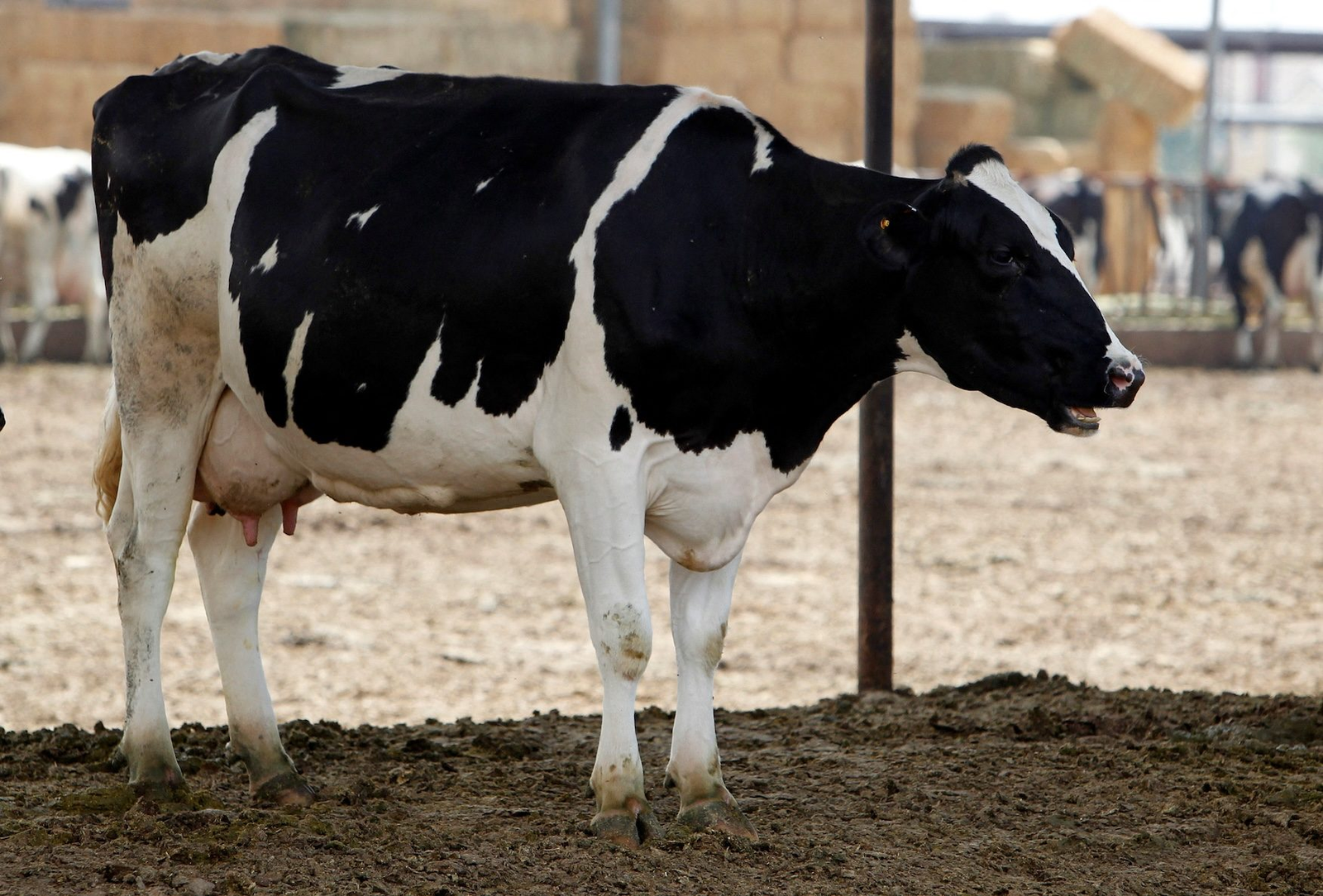
The Philippine dairy industry recorded growth during the first quarter of 2026, with milk production increasing by more than 6%, reflecting rising consumer demand. However, the country continues to rely heavily on imports, with domestic milk production meeting only 2.1% of national demand.
According to the National Dairy Authority (NDA), dairy production rose from 11.07 million litres in the first quarter of 2025 to 11.79 million litres during the same period in 2026, representing a growth of 6.47%.
Growing Demand for Dairy Products
NDA Administrator Marcus Andaya said milk consumption in the country continues to increase.
Per capita milk consumption rose from 17.16 litres to 19.53 litres, indicating stronger consumer demand for milk and dairy products.
While the growth in consumption is encouraging for the industry, it also highlights the Philippines’ continued dependence on imported dairy products from countries such as:
- New Zealand
- Australia
- United States
Currently, nearly 98% of the country’s dairy requirements are met through imports.
Government Targets Higher Milk Sufficiency
The Philippine government aims to improve domestic milk production and reduce import dependence.
Key targets include:
| Year | Milk Sufficiency Target |
|---|---|
| 2025 | 2.2% |
| 2026 | 3.3% |
| 2028 | 5.0% |
To achieve the 2026 target, local milk production must reach approximately 53 million litres.
Despite challenges, Andaya expressed confidence that the country can achieve or come close to its target.
Strategy to Increase Local Milk Production
The NDA has launched several initiatives to strengthen the domestic dairy sector.
Import of Dairy Animals
Around 1,600 dairy cows from Australia are expected to be imported to improve the country’s dairy herd and increase milk output.
Expansion of Stock Farms
Currently, four government stock farms are operational in:
- Nueva Ecija
- Bohol
- Agusan del Sur
- Cotabato
A fifth farm is expected to be completed this year in Bukidnon, while three additional farms are planned for next year.
Each stock farm covers approximately 50 hectares and requires an investment of around P50 million.
Increased Budget Support
The NDA is seeking an additional P1.5 billion budget for 2027, apart from:
- Funding for milk feeding programmes
- Support from the Animal Competitiveness Enhancement Fund (ACEF) worth P20 billion
The government is also exploring a P2-billion loan from France to support technology transfer and modernization of the dairy sector.
Challenges from Global Events
The ongoing geopolitical tensions in the Middle East have increased production costs for the dairy industry.
One major impact has been the rising cost of imported dairy cattle.
According to the NDA:
- Earlier price per dairy cow: P180,000
- Current price per dairy cow: P220,000
This increase poses additional challenges for herd expansion programmes.
Public-Private Collaboration
Speaking at an event organized by the European Chamber of Commerce of the Philippines, Andaya emphasized that government efforts alone cannot transform the dairy industry.
“The future of the dairy industry cannot be built by the government alone,” he stated, encouraging greater private-sector participation.
He described dairy as a “sunrise industry”, meaning a sector with strong future growth potential.
Private Sector Investments Growing
Several private companies have increased investments in Philippine dairy farming.
Carmen’s Best
Business leader Manny Pangilinan expanded his presence in the dairy sector after acquiring a majority stake in the local dairy brand Carmen’s Best through Metro Pacific Investments Corporation.
The company has expanded its fresh milk product range and promoted locally produced dairy products.
Read More: Major Crackdown on Suspected Ghee Adulteration in Udaipur; 18,000 Litres Seized
Pure & Best Milk
Another major domestic player is Hacienda Macalauan Incorporated, producer of the Pure & Best Milk brand.
Established in 1995, the company developed from a small dairy farm after importing 100 dairy animals from Australia and has since expanded its dairy operations in Laguna.
Key Takeaways
Despite achieving steady production growth, the Philippines remains one of the most import-dependent dairy markets in Asia. The country’s low milk self-sufficiency level of 2.1% highlights both the challenge and opportunity facing the sector.
The government’s strategy focuses on:
- Importing high-quality dairy cattle
- Expanding stock farms
- Increasing public investment
- Promoting technology transfer
- Encouraging private-sector participation
If these initiatives succeed, the Philippines aims to double its milk sufficiency from current levels and reach 5% self-sufficiency by 2028, strengthening domestic dairy production and reducing reliance on imported milk products.
Join Our “Dairy & Food Jobs Updates” WhatsApp group
Follow the Agri Jobs Updates channel on WhatsApp:
Disclaimer
I do my best to share reliable and well-researched insights but occasional errors or omissions may slip through. Please view all content as informational.
Stay informed on all the latest news updates
All Agriculture Books Free Download
All Dairy Technology Books Free Download
All Agricultural Engineering Books Free download
All Horticulture Books Free Download
All Fisheries Science Books Free Download
For Daily Update follow us at:
Facebook Telegram Whatsapp Instagram YouTube
The contents are provided free for noncommercial purpose such as teaching, training, research, extension and self learning.
If you are facing any Problem than fill form Contact Us
If you want share any article related Agriculture with us than send at info@agrimoon.com with your contact detail.