
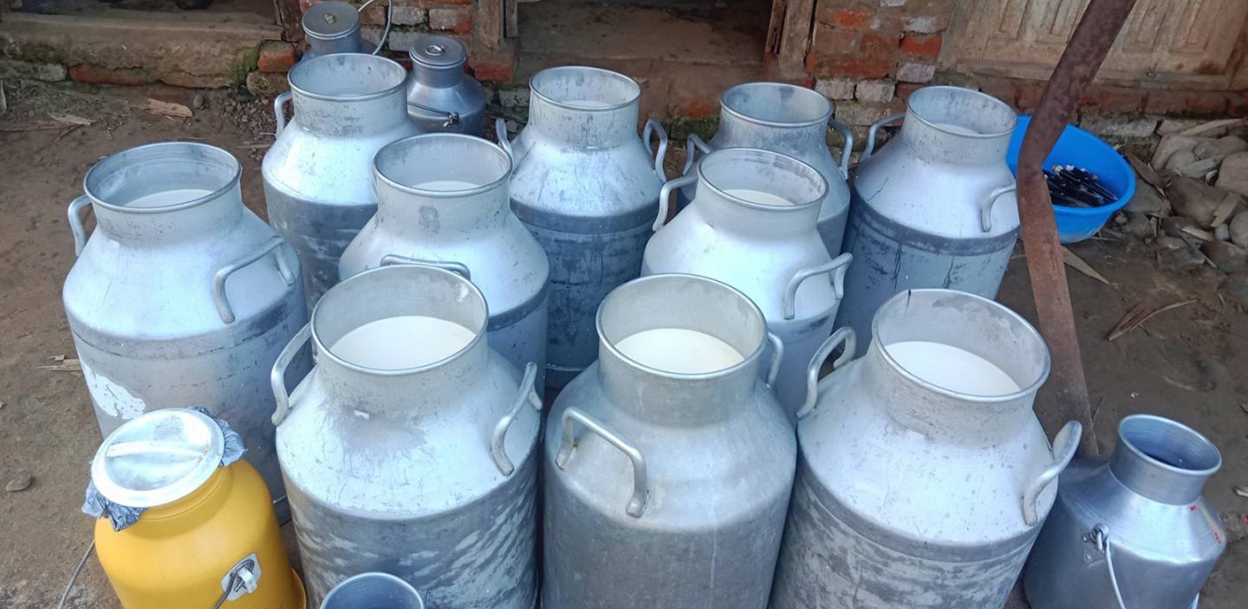
Kathmandu: Growing evidence of milk adulteration across Nepal has sparked serious concerns among health experts, consumer rights advocates, and government regulators, who warn that contaminated milk may pose long-term health risks to millions of consumers.
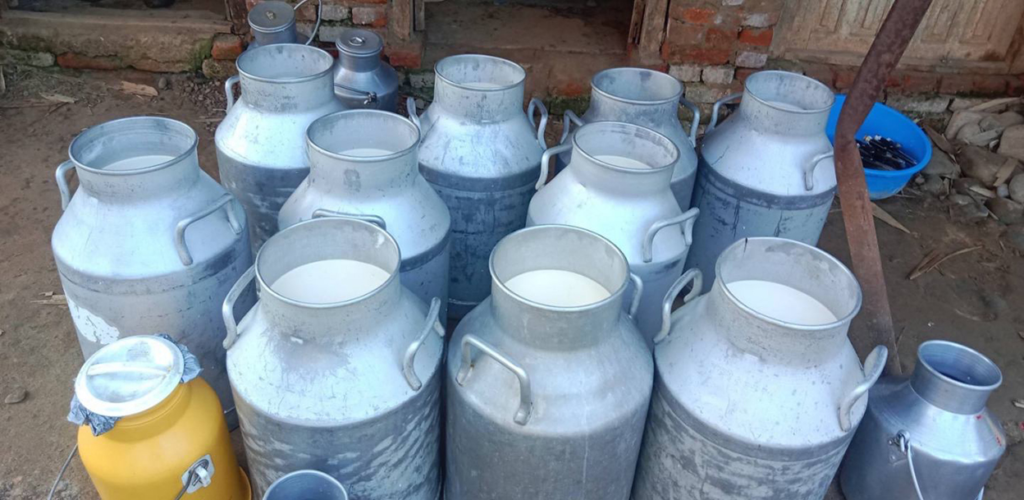
Recent inspections by the Department of Food Technology and Quality Control (DFTQC) and local authorities have uncovered the use of harmful substances in milk processing and distribution networks, revealing what experts describe as a significant threat to public health.
Milk, widely regarded as a vital source of nutrition for children and the elderly, is consumed daily in households, restaurants, tea shops, and hotels across the country. However, recent investigations suggest that some dairy operators have been adding chemicals and non-food substances to increase profits and extend shelf life.
On May 14, a joint inspection team from the DFTQC and Nepal Police raided Jorpati Dairy Producers Cooperative Ltd. in Bhaktapur. Officials seized dextrose monohydrate, maltodextrin, and bakery shortening allegedly being used to manufacture counterfeit milk. Authorities said the adulterated product had been supplied both to the state-owned Dairy Development Corporation (DDC) and the open market.
Further concerns emerged in June when DDC destroyed more than 3,000 litres of milk collected through a chilling centre in Panauti, Kavrepalanchok, after laboratory tests confirmed the presence of added sugar and other quality defects. Officials also raised concerns about possible collusion during the procurement process.
In Butwal, inspections conducted by local authorities and food safety officials found that 10 out of 12 milk suppliers were using chemical additives, including soda, to prevent milk from curdling. Tests also revealed that many samples failed to meet government standards for fat and solids-not-fat (SNF) content.
Health experts warn that the consequences of such adulteration could be severe.
“Milk containing soda and other neutralisers directly affects the digestive system,” said Dr Bal Kumari Sharma, spokesperson for the Department of Food Technology and Quality Control. “These substances alter the stomach’s natural acid balance, potentially causing indigestion and increasing the risk of gastrointestinal diseases over time.”
According to Dr Sharma, chemicals such as caustic soda, detergents, and preservatives can damage the stomach, intestines, kidneys, and liver. Children are particularly vulnerable because milk plays a critical role in their physical growth and development.
Food safety officials say adulteration practices go beyond simple dilution. Previous investigations have found evidence of urea fertiliser, detergent powder, hydrogen peroxide, and sugar being added to milk. These substances are often used to artificially enhance protein content, improve appearance, or extend shelf life.
Consumer rights activists argue that weak enforcement has allowed such practices to continue for years.
Read More : Indonesia Launches ‘Milk Kitchen’ Initiative to Strengthen Dairy Supply for National Nutrition Program
“This is not only a public health issue but also a form of consumer fraud,” said consumer rights activist Prem Lal Maharjan. “Consumers are being cheated financially, their health is being put at risk, and their trust is being betrayed.”
Maharjan alleged that substances such as palm oil, urea, glucose, and gluten are routinely used in some parts of the dairy supply chain to manipulate milk quality indicators and increase profits.
He also warned consumers against assuming that loose milk is safer than packaged products.
“Many people are led to believe that unpackaged milk is more natural and nutritious,” he said. “In reality, loose milk is often more vulnerable to adulteration and contamination.”
Regulators have acknowledged ongoing challenges. According to the DFTQC, authorities have filed 82 cases involving serious food safety violations during the first nine months of the current fiscal year. Under existing laws, offenders can face fines of up to Rs 300,000, imprisonment of up to six months, or both.
Despite these measures, experts and consumer advocates argue that sporadic inspections are insufficient to address a problem they believe is widespread across the dairy sector. They are calling for continuous monitoring, stronger enforcement, and stricter penalties to protect consumers.
As investigations continue, public health experts urge consumers to remain vigilant and demand higher standards of transparency and accountability from dairy producers and regulators alike.
Join Our “Dairy & Food Jobs Updates” WhatsApp group
Follow the Agri Jobs Updates channel on WhatsApp:
Disclaimer
I do my best to share reliable and well-researched insights but occasional errors or omissions may slip through. Please view all content as informational.
Stay informed on all the latest news updates
All Agriculture Books Free Download
All Dairy Technology Books Free Download
All Agricultural Engineering Books Free download
All Horticulture Books Free Download
All Fisheries Science Books Free Download
For Daily Update follow us at:
Facebook Telegram Whatsapp Instagram YouTube
The contents are provided free for noncommercial purpose such as teaching, training, research, extension and self learning.
If you are facing any Problem than fill form Contact Us
If you want share any article related Agriculture with us than send at info@agrimoon.com with your contact detail.