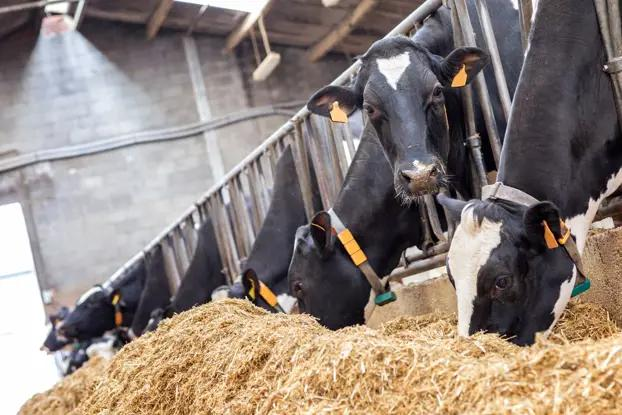
Dairy farmers in Ireland are being urged to carefully balance replacement heifer requirements, beef genetics and calving targets before ending artificial insemination (AI) programs for the current breeding season.
As the June Bank Holiday period approaches, many producers are preparing to reduce or conclude dairy AI activity and shift to stock bulls for the remainder of the breeding season.
However, industry advisers warn that overly aggressive use of beef genetics could create future shortages of dairy replacement heifers.
Sexed Semen Use Tightening Heifer Supply
The report highlights that increased adoption of:
- Sexed semen
- Dairy-beef breeding systems
has already reduced the supply of replacement heifers across many dairy farms.
Strong market prices for dairy-beef calves have encouraged producers to maximize:
- Beef-sired calf production
- Crossbreeding strategies
- Short-term calf income
But analysts caution that farms still require sufficient high-quality dairy replacements to maintain long-term herd sustainability.
Experts suggest breeding a few additional “contingency” dairy heifers this season to protect against:
- Future replacement shortages
- Fertility problems
- Unexpected culling
- Herd expansion limitations
Timing of AI Directly Impacts 2027 Calving Pattern
Industry advisers stressed that AI cut-off dates play a critical role in determining:
- Next season’s calving profile
- Milk production efficiency
- Grazing management
- Feed costs
With an average cattle gestation period of:
283 days
the timing of insemination directly affects when cows will calve during the 2027 production season.
Experts recommend that replacement heifers should ideally calve within:
- The first three weeks of the calving season
For most dairy systems:
- Dairy AI programs should generally end during the first half of June
- Overall breeding seasons should conclude between July 1 and July 15
This helps avoid excessive numbers of late-calving cows, which can reduce:
- Milk output efficiency
- Fertility performance
- Grazing synchronization
Every Farm Requires a Different AI Strategy
Advisers noted there is no universal AI cut-off date suitable for all farms.
Breeding decisions should depend on:
- Soil type
- Grazing conditions
- Farm infrastructure
- Feed availability
- Desired calving spread
For example:
- Farms on heavy soils may benefit from slightly later calving patterns
- Free-draining grazing systems often target tighter and earlier spring calving
Industry experts warn that:
- Calving too early can increase feed and housing costs
- Calving too late can reduce lactation efficiency and grass utilization
Stock Bull Management Remains Critical
The report also highlighted the importance of proper stock bull management during the final stages of breeding.
General industry guidance suggests:
- A mature bull can cover approximately 30 cows within three weeks
- Younger bulls are better suited to smaller groups of heifers
Farmers are advised to:
- Maintain additional bull capacity
- Monitor repeat heats carefully
- Continue selective AI support where necessary
Experts also cautioned that synchronization programs can create concentrated breeding periods that may overwork bulls if AI support is withdrawn too early.
Read More: Dudhsagar Dairy Raises Milk Procurement Price to Rs 855 Per Kg Fat
Balancing Beef Genetics With Dairy Sustainability
The growing popularity of dairy-beef systems reflects changing economics within modern dairy farming, where producers increasingly seek:
- Additional calf value
- Better beef integration
- Improved farm profitability
However, advisers stress that maintaining an adequate supply of quality dairy replacements remains essential for:
- Herd continuity
- Genetic progress
- Long-term milk production
Industry analysts say the decisions made during the current breeding season could significantly influence:
- Herd structure
- Replacement availability
- Calving efficiency
- Farm profitability
throughout the 2027 dairy production cycle.
Join Our “Dairy & Food Jobs Updates” WhatsApp group
Follow the Agri Jobs Updates channel on WhatsApp:
Disclaimer
I do my best to share reliable and well-researched insights but occasional errors or omissions may slip through. Please view all content as informational.
Stay informed on all the latest news updates
All Agriculture Books Free Download
All Dairy Technology Books Free Download
All Agricultural Engineering Books Free download
All Horticulture Books Free Download
All Fisheries Science Books Free Download
For Daily Update follow us at:
Facebook Telegram Whatsapp Instagram YouTube
The contents are provided free for noncommercial purpose such as teaching, training, research, extension and self learning.
If you are facing any Problem than fill form Contact Us
If you want share any article related Agriculture with us than send at info@agrimoon.com with your contact detail.