
As extreme heatwaves become more frequent across India, the country’s dairy, poultry and livestock sectors are facing mounting pressure from falling productivity, rising operational costs and growing risks to farmer incomes.
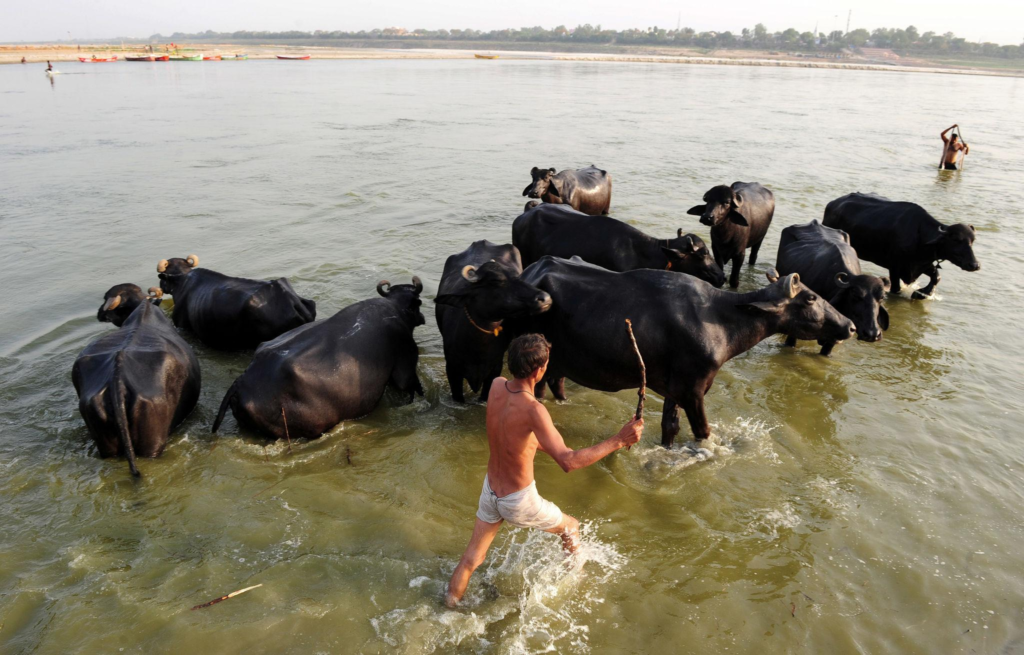
While heatwaves are often associated with crop damage and electricity shortages, experts warn that a quieter but equally serious crisis is unfolding inside:
- Dairy cattle sheds
- Poultry farms
- Fish ponds
- Livestock housing systems
Rising temperatures are now directly affecting:
- Milk production
- Poultry growth
- Animal fertility
- Feed intake
- Rural livelihoods
Livestock Critical to India’s Rural Economy
Livestock plays a major role in India’s agricultural economy and household income systems.
According to government data:
- Livestock contributes 30.23% of agricultural Gross Value Added (GVA)
- The sector contributes nearly 5.5% to India’s overall economy
- Dairy alone contributes around 5% of national GDP
India is also the world’s largest milk producer, making dairy farming one of the most important rural economic activities.
For millions of small farmers, livestock serves as:
- Daily cash income
- Financial security during crop losses
- Nutritional support
- Employment source
Heat Stress Reducing Milk Production
The dairy sector is considered one of the most climate-sensitive segments of India’s rural economy.
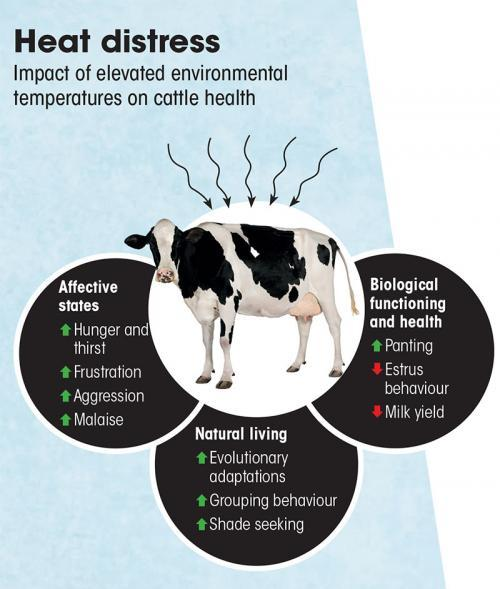
Experts say heat stress in cattle leads to:
- Reduced feed intake
- Lower milk yield
- Fertility decline
- Increased water demand
- Higher veterinary expenses
When temperatures rise beyond animal comfort levels, cattle experience:
- Faster breathing
- Elevated heart rates
- Behavioural stress
- Lower production efficiency
Industry experts often measure stress using the Temperature Humidity Index (THI). Problems intensify once:
THI>72
According to Ravin Saluja of Sterling Agro Industries Limited (NOVA Dairy), milk yield losses during peak heat periods are currently ranging between:
- 5% and 12%
High-yielding cattle are especially vulnerable during prolonged extreme temperatures.
Scientific Studies Warn of Long-Term Production Losses
A 2022 study by Indian Grassland and Fodder Research Institute estimated that rising temperatures could reduce annual milk production in India’s northern plains by:
- 361,000 tonnes by 2039
The projected economic loss was estimated at:
- Nearly ₹1,193 crore
Northern India accounts for nearly:
- 30% of India’s milk production
Meanwhile, scientists at ICAR-National Dairy Research Institute warned that milk production in parts of North India could decline by nearly:
- 20%
if effective heat mitigation measures are not adopted.
Poultry Sector Also Under Severe Stress
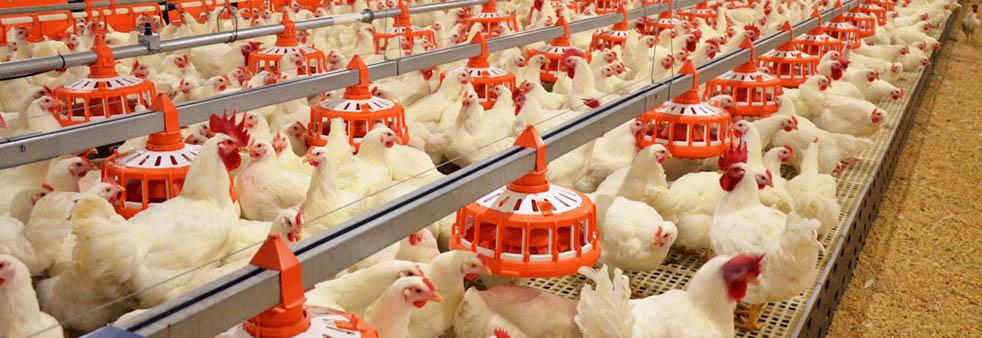
The poultry industry is also facing major challenges due to rising temperatures.
Unlike cattle, poultry birds have limited ability to regulate body temperature, making them highly vulnerable during heatwaves.
Heat stress in poultry causes:
- Lower feed intake
- Reduced weight gain
- Higher mortality
- Increased water demand
- Rising cooling costs
Divya Kumar Gulati from the Compound Livestock Feed Manufacturers Association of India said poultry growth rates and farmer profitability are already being affected.
According to industry estimates:
- Broiler prices have fallen from around ₹110–115/kg
to - Nearly ₹98–99/kg
At the same time:
- Bird growth rates have slowed
- Farmers are receiving lower returns due to reduced bird weight
Read More: Dairy Farmers Advised to Carefully Plan AI Cut-Off Decisions Ahead of 2027 Calving Season
Dairy Companies and Farmers Investing in Cooling Systems
To reduce heat stress, many dairy and poultry producers are increasingly investing in:
- Cooling systems
- Better ventilation
- Environment-controlled sheds
- Water sprinklers
- Shade structures
Major companies including:
- Amul
- Mother Dairy
had previously increased milk prices partly due to:
- Lower milk procurement during heatwaves
- Rising feed costs
- Higher operational expenses
However, heatwave impacts are varying across regions.
While North India has experienced prolonged extreme temperatures, parts of South India have received early pre-monsoon showers, easing livestock stress.
K Ratnam of Milky Mist said southern operations have so far remained relatively stable due to:
- Green fodder availability
- Rainfall support
- Better climatic conditions
Climate Change Becoming Structural Risk for Livestock Sector
Experts now warn that livestock heat stress is no longer just a temporary summer problem but a major long-term climate risk for India’s rural economy.
Abhishek Jain from Council on Energy, Environment and Water said climate impacts are already being widely reported among livestock rearers.
According to survey findings:
- 54% of buffalo rearers reported climate impacts
- 50% of crossbred cattle rearers reported impacts
- 41% of indigenous cattle rearers reported impacts
Experts caution that the increasing shift toward:
- High-yielding
- Heat-sensitive crossbred animals
could further increase climate vulnerability if adaptation measures are not strengthened.
Need for Long-Term Adaptation Policies
Industry specialists say future livestock policy will need to move beyond temporary heat advisories and focus on:
- Climate-resilient livestock infrastructure
- Heat-tolerant breeds
- Affordable cooling systems
- Water security
- Fodder planning
- Climate-smart animal housing
As heatwaves intensify, analysts believe the key challenge is no longer whether livestock is vulnerable to climate stress, but whether India’s rural economy is prepared for its long-term consequences.
Join Our “Dairy & Food Jobs Updates” WhatsApp group
Follow the Agri Jobs Updates channel on WhatsApp:
Disclaimer
I do my best to share reliable and well-researched insights but occasional errors or omissions may slip through. Please view all content as informational.
Stay informed on all the latest news updates
All Agriculture Books Free Download
All Dairy Technology Books Free Download
All Agricultural Engineering Books Free download
All Horticulture Books Free Download
All Fisheries Science Books Free Download
For Daily Update follow us at:
Facebook Telegram Whatsapp Instagram YouTube
The contents are provided free for noncommercial purpose such as teaching, training, research, extension and self learning.
If you are facing any Problem than fill form Contact Us
If you want share any article related Agriculture with us than send at info@agrimoon.com with your contact detail.