
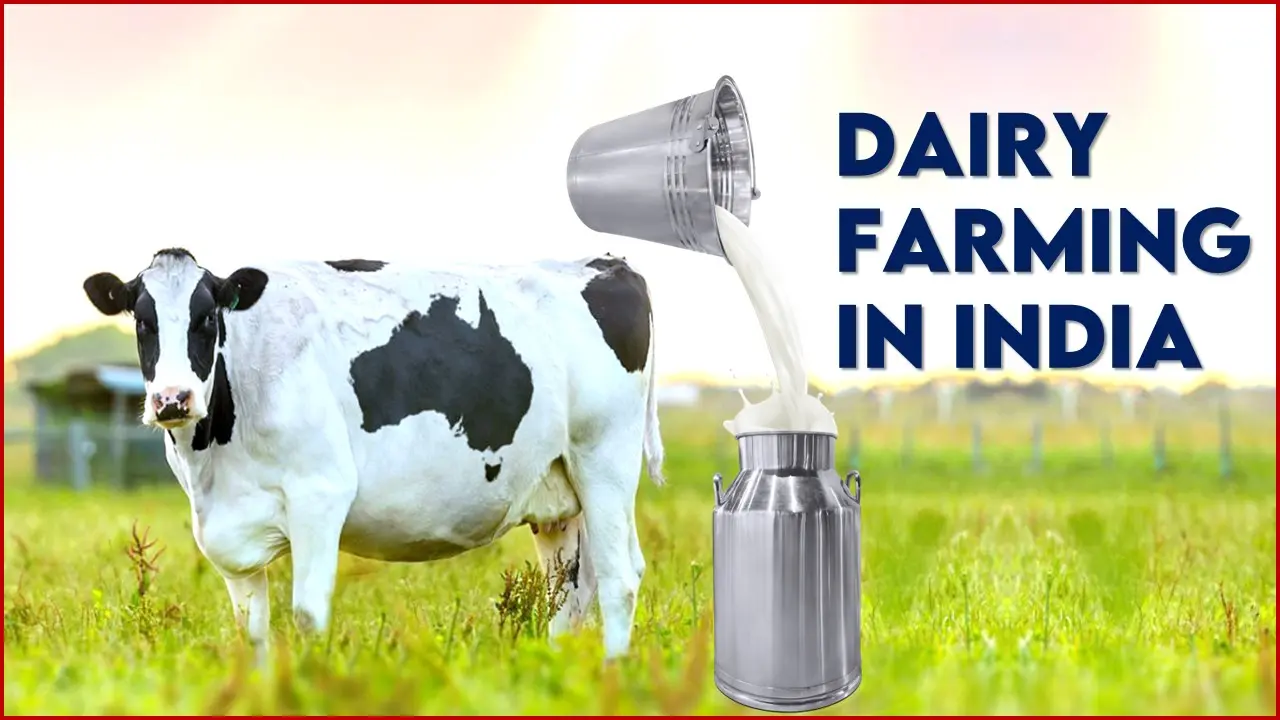
India’s dairy sector continues to be one of the strongest pillars of the rural economy, contributing significantly to agricultural GDP while providing a stable source of income to millions of farming families. As the world’s largest milk producer, India has transformed dairy farming from a traditional household activity into a rapidly modernizing agribusiness sector with immense growth potential.
Industry experts believe that dairy farming remains one of the most dependable agricultural enterprises due to the consistent demand for milk and dairy products across urban and rural markets. Unlike many seasonal agricultural activities, dairy farming provides farmers with daily cash flow, making it a critical source of financial stability.
Rising Demand Fuels Sector Growth
The increasing consumption of milk, curd, paneer, butter, cheese, and other value-added dairy products is creating new opportunities for dairy entrepreneurs. According to sector analysts, changing consumer preferences, population growth, and expanding food processing industries are driving sustained demand for quality milk.
“Dairy farming offers a unique advantage because it generates regular income throughout the year. Even when crop revenues fluctuate, milk sales help maintain household cash flow,” said a dairy development expert.
Government support through dairy cooperatives, credit schemes, and livestock development programs has further strengthened the sector, encouraging both small-scale and commercial dairy investments.
Breed Selection Determines Profitability
Experts emphasize that successful dairy farming begins with selecting the right breed based on local climatic conditions, feed availability, and market requirements.
Among indigenous cattle breeds, Gir, Sahiwal, and Red Sindhi continue to gain popularity due to their adaptability, disease resistance, and ability to perform well under Indian conditions. Meanwhile, Holstein Friesian and Jersey crossbred cows remain preferred choices for farmers seeking higher milk yields.
Buffalo farming is also witnessing significant growth, particularly in regions where consumers prefer high-fat milk. Murrah, Mehsana, and Jaffarabadi buffaloes are widely recognized for their superior milk production and fat content.
“Dairy farmers must select breeds according to their business goals. If the market rewards higher fat content, buffaloes may offer better returns. If volume production is the objective, crossbred cows are often preferred,” industry specialists explain.
Scientific Feeding Key to Higher Milk Yield
Nutrition remains one of the most critical factors influencing dairy farm profitability. Veterinary nutritionists recommend balanced feeding programs that combine green fodder, dry roughages, concentrate feed, mineral mixtures, and continuous access to clean drinking water.
Green fodders such as maize, sorghum, berseem, and oats provide essential nutrients, while concentrate feeds help meet the energy and protein requirements of high-yielding animals.
Experts caution farmers against focusing solely on feed cost reduction.
“The cheapest feed is not always the most economical option. Proper nutrition leads to higher milk production, better fertility, and reduced veterinary expenses,” a livestock nutrition consultant noted.
Animal Health Management Takes Center Stage
Disease prevention has emerged as a major priority for modern dairy farms. Common challenges such as mastitis, foot-and-mouth disease, parasitic infestations, and reproductive disorders can significantly reduce profitability if not addressed promptly.
Veterinarians recommend routine vaccination, deworming, regular health monitoring, and strict farm hygiene practices. Proper milking hygiene is particularly important in preventing mastitis, one of the most costly diseases affecting dairy animals.
Maintaining clean housing conditions, isolating sick animals, and conducting regular veterinary checkups are increasingly viewed as essential components of successful dairy management.
Technology and Breeding Improvements
Artificial insemination and scientific breeding programs are helping farmers improve herd genetics and productivity. Dairy experts stress the importance of maintaining detailed records related to heat detection, insemination, pregnancy diagnosis, calving history, and milk production.
Efficient reproductive management ensures shorter calving intervals and sustained milk production throughout the animal’s productive life.
“Good record keeping helps farmers identify high-performing animals and make informed breeding and culling decisions,” experts say.
Value Addition Creating New Income Streams
While milk production remains the primary source of revenue for most dairy farms, value-added products are becoming increasingly important for improving profitability.
Products such as paneer, ghee, curd, butter, flavored milk, and traditional dairy sweets often command higher market prices than raw milk. Direct marketing to households, restaurants, hotels, and institutional buyers is also helping farmers capture greater value.
Read More: Food Safety Department Collects Milk, Curd and Paneer Samples from Dairies in Amritsar
Additionally, dairy waste management is generating new opportunities through compost production and biogas generation, contributing to both farm income and environmental sustainability.
Challenges Remain
Despite strong growth prospects, dairy farmers continue to face several challenges, including rising feed costs, climate-related stress, labor shortages, disease outbreaks, and fluctuations in milk prices.
Heat stress during summer months remains a major concern, particularly in northern and western India, where high temperatures can negatively affect milk production and animal fertility.
Industry observers note that farms adopting scientific management practices, modern housing systems, and data-driven decision-making generally outperform traditional operations.
Government Support Encourages Expansion
The Central and State Governments continue to support dairy development through various subsidy schemes, infrastructure programs, livestock insurance initiatives, and credit facilities. Dairy cooperatives and producer organizations also play an important role in ensuring market access and fair pricing for milk producers.
Farmers planning to establish or expand dairy enterprises are advised to explore available financial assistance programs through animal husbandry departments, dairy development boards, and commercial banks.
Outlook
With rising domestic demand, technological advancements, and increasing focus on value addition, India’s dairy industry is poised for sustained growth in the coming years. Experts believe that farmers who invest in quality genetics, scientific feeding, animal welfare, and efficient marketing systems will be best positioned to benefit from the sector’s expanding opportunities.
As India’s dairy sector evolves from traditional farming to modern agribusiness, the message from industry experts is clear: profitability will increasingly depend on knowledge, management skills, and strategic planning rather than herd size alone.
Join Our “Dairy & Food Jobs Updates” WhatsApp group
Follow the Agri Jobs Updates channel on WhatsApp:
Disclaimer
I do my best to share reliable and well-researched insights but occasional errors or omissions may slip through. Please view all content as informational.
Stay informed on all the latest news updates
All Agriculture Books Free Download
All Dairy Technology Books Free Download
All Agricultural Engineering Books Free download
All Horticulture Books Free Download
All Fisheries Science Books Free Download
For Daily Update follow us at:
Facebook Telegram Whatsapp Instagram YouTube
The contents are provided free for noncommercial purpose such as teaching, training, research, extension and self learning.
If you are facing any Problem than fill form Contact Us
If you want share any article related Agriculture with us than send at info@agrimoon.com with your contact detail.