Surging Demand for High-Protein Foods Pushes Whey Prices to Record Levels.
June 2026: The global dairy industry is facing an unprecedented challenge as demand for whey protein continues to outpace supply, driving prices to historic highs and forcing food manufacturers to rethink product formulations and pricing strategies.
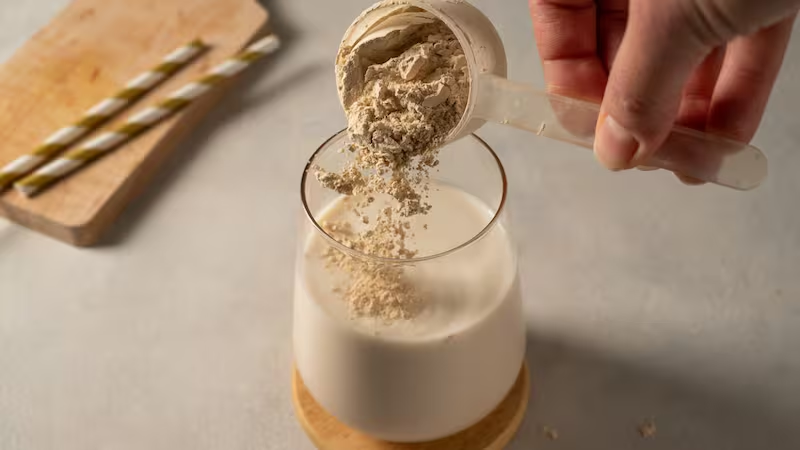
Traditionally popular among athletes and fitness enthusiasts, whey protein has evolved into a mainstream ingredient as consumers increasingly seek protein-enriched foods and beverages. Today, whey protein is found in a wide range of products, including breakfast cereals, baked goods, snacks, meal replacements, coffee beverages, and nutritional supplements.
According to market research firm NielsenIQ, more than 38,000 products in US supermarkets now prominently advertise their protein content, reflecting the growing consumer focus on nutrition and functional foods.
Supply Struggles Amid Strong Demand
Industry analysts report that demand for food-grade whey protein concentrate and whey protein isolate has significantly exceeded available supplies over the past two years.
Kathleen Wolfley, Vice President of Ever.Ag Insights, noted that demand remains exceptionally strong across multiple sectors.
“Demand is very firm and seemingly outpacing supply for right now,” she said.
The imbalance has led to sharp price increases. Whey Protein Concentrate (WPC-80), commonly used by food manufacturers and supplement companies, is currently trading at more than US$13 per pound in the United States, representing a 250 percent increase compared to a year earlier.
Similarly, Whey Protein Isolate (WPI), a more refined product containing at least 90 percent protein, has risen approximately 150 percent over the same period.
The higher commodity prices are being passed on to consumers. Retail prices of whey protein powders have increased substantially, while protein-enriched foods are also becoming more expensive.
Understanding Whey Protein
Milk contains two primary proteins: casein and whey. During cheese manufacture, casein forms the solid curd used for cheese production, while whey remains in the liquid fraction.
The liquid whey is subsequently processed and dried to produce whey protein powders. According to the United States Department of Agriculture (USDA), every pound of cheese produced generates approximately nine pounds of whey.
Historically, large quantities of whey protein were exported from the United States to countries such as China. However, strong domestic demand is now consuming a larger share of production.
Exports of WPC-80 and WPI from the United States to China reportedly declined by nearly 47 percent during the first four months of the year compared with the same period last year.
Impact of GLP-1 Weight-Loss Drugs
One of the major drivers behind the recent surge in whey protein demand is the growing use of GLP-1 weight-loss medications such as Wegovy and Zepbound.
These medications reduce appetite, encouraging users to consume foods with higher nutritional density. Healthcare professionals often recommend increased protein intake to preserve muscle mass during weight loss and promote satiety.
As millions of consumers adopt GLP-1 therapies, food companies have rapidly expanded their portfolios of protein-enriched products to meet evolving dietary preferences.
This trend has created a new and rapidly growing consumer segment that is adding further pressure to already constrained whey protein supplies.
Global Market Effects
Reduced US exports have shifted international buying patterns, with countries such as China increasingly sourcing whey protein from European suppliers.
Read More: Mumbai Metro to Boost Market Access for Rural Dairy Producers: Fadnavis
However, Europe is also experiencing supply constraints. Market intelligence data indicate that European WPC-80 prices reached record levels during May, more than doubling compared with prices recorded less than a year earlier.
The result is a global protein market characterized by tight inventories, rising costs, and increased competition among food manufacturers.
Industry Response
Recognizing the long-term opportunity, several dairy processors are investing heavily in whey protein manufacturing capacity.
Irish nutrition company Glanbia has announced plans to expand whey protein isolate production in New Mexico, while Canadian dairy cooperative Agropur is investing in capacity expansions across multiple processing facilities.
However, most new projects are not expected to become operational before 2027–2029, meaning supply constraints may continue for several years.
Meanwhile, some food manufacturers are exploring alternatives such as milk protein concentrate (MPC), which offers a lower-cost protein source and may reduce dependence on whey protein ingredients.
Implications for the Dairy Sector
For dairy processors, the current market presents both opportunities and challenges. High whey protein prices are creating attractive revenue streams for manufacturers capable of producing value-added protein ingredients. At the same time, supply shortages risk limiting growth in the rapidly expanding functional food and nutrition sectors.
Industry experts believe that continued investment in protein processing infrastructure, combined with sustained growth in cheese production, will eventually improve market balance. Until then, whey protein is expected to remain one of the most valuable and strategically important dairy ingredients in the global food industry.
The ongoing protein boom underscores a significant shift in consumer nutrition trends and highlights the growing role of dairy-derived ingredients in the future of health and wellness foods worldwide.
Join Our “Dairy & Food Jobs Updates” WhatsApp group
Follow the Agri Jobs Updates channel on WhatsApp:
Disclaimer
I do my best to share reliable and well-researched insights but occasional errors or omissions may slip through. Please view all content as informational.
Stay informed on all the latest news updates
All Agriculture Books Free Download
All Dairy Technology Books Free Download
All Agricultural Engineering Books Free download
All Horticulture Books Free Download
All Fisheries Science Books Free Download
For Daily Update follow us at:
Facebook Telegram Whatsapp Instagram YouTube
The contents are provided free for noncommercial purpose such as teaching, training, research, extension and self learning.
If you are facing any Problem than fill form Contact Us
If you want share any article related Agriculture with us than send at info@agrimoon.com with your contact detail.