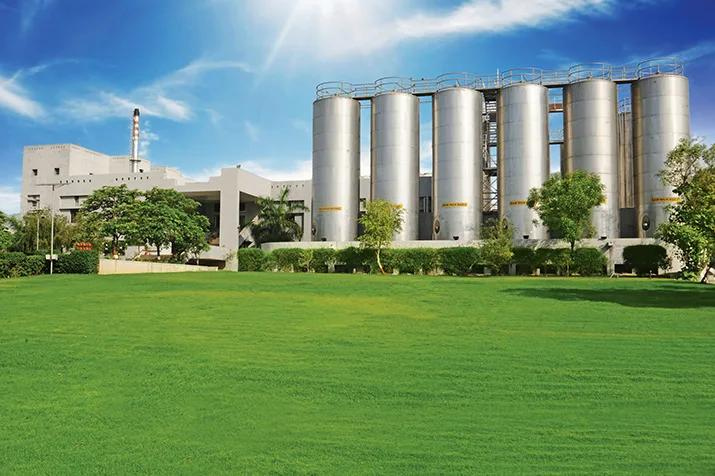
Do you know which city is known as the Milk Capital of India? This milky city produces over 5 million litres of milk daily. Additionally, it also sparked the White Revolution which now drives 24% of global production.
Let’s discover the history and tech behind the official milk city of India.Milk City of India: Milk plays a huge role in the Indian diet and provides essential nutrients to millions of Indians. Dairy farming has become a massive industry, supporting rural livelihoods across the country. India is already the world’s largest milk producer, with an astounding 24% of the world’s milk. The country’s milk production in 2026 has topped a remarkable 230 million tonnes. Do you know where the milk city of India is? In this article we’re going to take a closer look at the country’s milk capital.
Which City Of India Is Known As Milk City?
- Anand in Gujarat is often called the Milk Capital of India.
- It earned this title as the birthplace of the White Revolution, led by the world-renowned cooperative Amul.
- As of 2026, Anand is still a major player in the dairy industry, with its co-op turning out well over 5 million litres of milk every day.
- The area is very hot and dry, with temperatures often reaching 28°C to 42°C. Because of this heat, using high-tech cooling systems and refrigerated trucks is essential.
- This “cold chain” ensures the milk stays fresh and safe from the farm to your home. The price of toned milk is currently sitting at around ₹56 to ₹60 per litre.
- Annually India ships out over $400 million worth of dairy products, with Anand being a key hub for all that, exporting milk powder and ghee to at least 50 different countries.
5 Lesser-Known Facts About Anand
- Anand’s dairy plants use UHT (Ultra-High Temperature) processing at 135°C for 1-2 seconds, ensuring a shelf life of up to 180 days without preservatives.
- Local farms have integrated methanotrophic bacteria research to reduce cattle methane emissions by nearly 15%, promoting sustainable “Green Dairy” practices.
- The region is a leader in producing Lactobacillus acidophilus-enriched products, scientifically proven to improve gut microbiome health in humid climates.
- By 2026, most milk from Anand is biofortified with Vitamin A and D2, achieving 100% of the FSSAI-mandated fortification standards.
- Anand utilises Phase Change Materials (PCM) in transport, which can maintain a consistent 4°C for over 12 hours without active refrigeration.
Why is Anand called the Milk Capital of India?
Anand has evolved into one of the world’s most influential dairy hubs, combining cooperative strength, technological innovation, and large-scale milk processing to power India’s dairy economy.
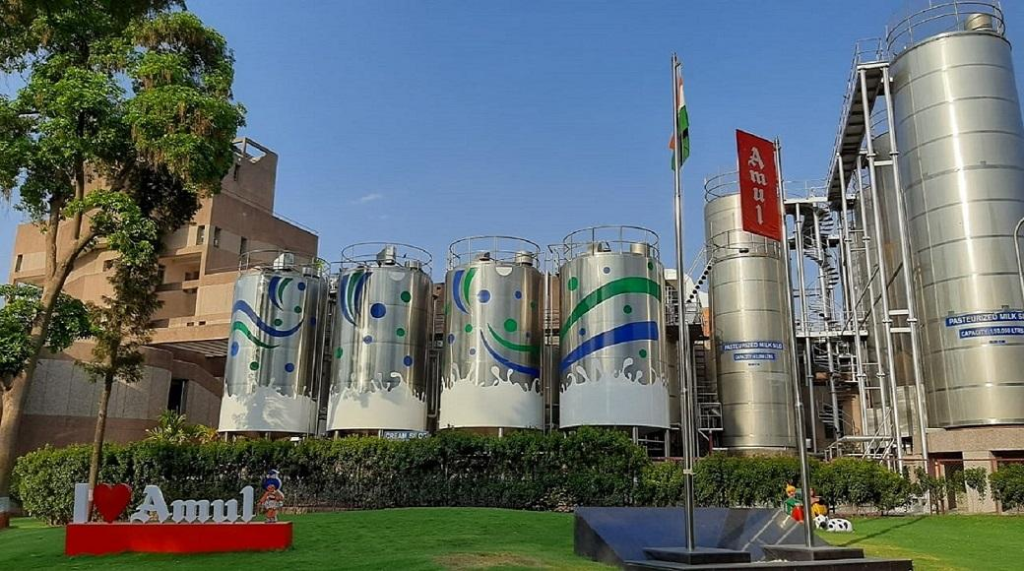
Widely recognised as the birthplace of India’s White Revolution, Anand continues to serve as the operational and symbolic centre of the country’s organised dairy sector in 2026.
The city’s success is closely linked to the rise of Amul and the cooperative dairy movement that transformed India from a milk-deficient nation into the world’s largest milk producer.
| Factor | Key Data |
|---|---|
| Amul Legacy | Founded in 1946, the cooperative sparked the White Revolution and now processes over 5 million litres of milk daily |
| Export Strength | Contributes significantly to India’s dairy exports valued at more than $400 million annually across 50+ countries |
| Production Scale | Handles nearly 25% of Gujarat’s total milk collection |
| Climate Adaptation | Operates efficiently in temperatures ranging from 28°C to 42°C using advanced 4°C cold-chain systems |
| Rural Economy | Supports livelihoods for nearly 3.6 million milk producers |
| Cooperative Network | Connected through 18,000+ village dairy cooperative societies |
| Quality Systems | Uses UHT processing at 135°C and automated milk testing technologies |
- Cooperative Model Behind the Success
The foundation of Anand’s dairy success lies in its farmer-owned cooperative structure pioneered by the Gujarat Cooperative Milk Marketing Federation and village milk societies.
The cooperative network ensures direct procurement from farmers, transparent pricing, veterinary support, cattle-feed assistance, and efficient milk collection systems.
This “Anand Pattern” later became the blueprint for India’s national dairy development strategy led by the National Dairy Development Board (NDDB), headquartered in Anand itself.
- Advanced Technology Powers Dairy Leadership
Anand’s dairy sector relies heavily on modern processing and cold-chain technology to maintain quality standards despite Gujarat’s high temperatures.
Milk is rapidly chilled to around 4°C through automated chilling systems before transportation through insulated tankers and refrigerated logistics networks.
The city’s dairy plants also use Ultra-High Temperature (UHT) processing technology, where milk is heated to approximately 135°C for a few seconds to extend shelf life without preservatives.
Automated bacteriological testing, digital quality monitoring, and advanced packaging systems help Anand maintain international export standards.
- Strong Role in India’s Dairy Exports
Anand remains a major contributor to India’s expanding dairy export market.
Products such as milk powder, butter, cheese, ghee, and value-added dairy ingredients produced through the cooperative network are exported to more than 50 countries globally.
Industry experts say Anand’s combination of cooperative participation, scale, technology, and rural integration makes it one of the most successful dairy development models in the world.
- Economic and Consumer Impact
The Anand dairy ecosystem currently supports nearly 3.6 million milk producers, making it one of the largest rural livelihood systems in India.
Meanwhile, organised dairy demand continues to grow steadily, with toned milk retail prices averaging between ₹56 and ₹60 per litre in several urban markets.
Analysts believe Anand’s continued growth reflects the future direction of India’s dairy industry — one increasingly driven by value-added products, export competitiveness, sustainability, and technology-enabled cooperative systems.
Read More: Dairy Protein Boom Reshapes Global Innovation Race
Which City Is Called The Milky City?
Anand is officially called the “Milk City”, but a lot of people also affectionately call it the “Milky City” because of the large white milk pipes & tankers that are everywhere in the place. The city has invested in some seriously advanced Ultra High Temperature (UHT) processing and smart logistics systems that make sure the dairy products from the rural districts that surround it are packaged and delivered all over the country in a super efficient way.
Which Is The Milk City Of The World?
Anand is a source of great national pride for India – just like the likes of Hillary in New Zealand and some of the big dairy-producing areas in Wisconsin are world-renowned. When it comes to co-op success, Anand stands out from the crowd as the “Milk Capital” of the developing world.
Which City In India Produces The Most Milk?
Milk gets made in loads of different parts of the country, but Anand and the surrounding Kheda in Gujarat always seem to be at the top of the tree. We’re talking round 5 million litres a day by 2026, when the Anand milk shed area will be a real powerhouse. Other big players in the milk production game include Ludhiana in Punjab and Ahmednagar in Maharashtra.
Which Country Is No 1 In Milk?
India is the world’s largest milk producer accounting for around 24% to 25% of global milk production. Each year the country churns out a staggering 230 million tonnes of milk, thanks to its big numbers of buffalo and cows and a network of co-ops that seem to be doing a cracking job. The USA and China bring up the rear of the top milk producing countries.
Which State Is Famous For Milk?
Gujarat is famous for milk production due to the world-renowned “Anand Model”. Yet in terms of absolute volume, UP dairy farms supply the most milk in India — up to around 15-17% of the nation’s production. Rajasthan is also well known for its full-fat buffalo milk, and Punjab boasts the highest per capita milk availability in India at over 1,200 grams per day.
Join Our “Dairy & Food Jobs Updates” WhatsApp group
Follow the Agri Jobs Updates channel on WhatsApp:
Disclaimer
I do my best to share reliable and well-researched insights but occasional errors or omissions may slip through. Please view all content as informational.
Stay informed on all the latest news updates
All Agriculture Books Free Download
All Dairy Technology Books Free Download
All Agricultural Engineering Books Free download
All Horticulture Books Free Download
All Fisheries Science Books Free Download
For Daily Update follow us at:
Facebook Telegram Whatsapp Instagram YouTube
The contents are provided free for noncommercial purpose such as teaching, training, research, extension and self learning.
If you are facing any Problem than fill form Contact Us
If you want share any article related Agriculture with us than send at info@agrimoon.com with your contact detail.