
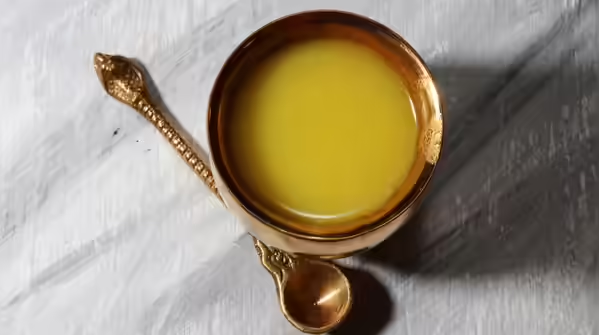
New Delhi | April 2026 In Indian kitchens, the debate between ghee and olive oil is no longer just about taste—it’s increasingly tied to health, lifestyle, and long-term nutrition. As India faces a rise in lifestyle diseases, experts say the choice of cooking fat plays a crucial role in overall well-being.
Why This Debate Matters Now
With increasing cases of heart disease, diabetes, and obesity, institutions like the Indian Council of Medical Research emphasize the importance of balanced fat consumption.
Guidelines from the National Institute of Nutrition recommend:
- Limiting saturated fats
- Including a mix of healthy oils
- Avoiding overdependence on a single fat source
Ghee: Traditional Strength with a Caveat
Ghee has been a staple in Indian diets for centuries, valued for:
- High smoke point (~230°C), making it ideal for frying and tadka
- Richness in fat-soluble vitamins (A, D, E, K)
- Presence of beneficial compounds like butyrate
However, experts warn:
- High in saturated fats
- Excess intake may raise LDL cholesterol
Ghee fits Indian cooking perfectly—but moderation is essential.
Read More: Mother Dairy Targets ₹24,000 Cr Revenue in FY27, Holds Prices Despite Cost Pressures
Olive Oil: Heart-Friendly but Context Matters
Olive oil, especially extra virgin varieties, is known for:
- High monounsaturated fats
- Benefits for heart health and cholesterol control
- Strong association with the Mediterranean diet
But in Indian kitchens:
- Lower smoke point (160–190°C for extra virgin)
- Not ideal for deep frying or high-heat cooking
Best suited for:
- Salads
- Light sautéing
- Finishing dishes
Cooking Science: Smoke Point Matters
Choosing the wrong oil for the wrong cooking method can:
- Break down nutrients
- Produce harmful compounds
Key comparison:
- Ghee: Stable at high temperatures
- Olive oil: Better for low to medium heat
Your tadka prefers ghee; your salad prefers olive oil.
Expert View: Balance Over Extremes
According to Dr Niraj Kumar, Senior Consultant in General Medicine:
Both ghee and olive oil have their advantages. The best approach for Indians is to use them in balance—ghee for traditional cooking in small amounts, and olive oil for heart-friendly applications.
What Works for the Indian Lifestyle
Health outcomes depend on more than just oil choice:
- Sedentary lifestyle
- High carbohydrate intake
- Portion sizes
The Ministry of Health and Family Welfare stresses that total fat intake must remain within recommended limits, regardless of the source.
Smart Daily Strategy
Experts suggest:
- Use ghee sparingly for rotis, dal, and traditional dishes
- Use olive oil for salads and light cooking
- Rotate oils instead of relying on one
Final Verdict
There’s no clear winner in the ghee vs olive oil debate.
- Ghee: Better for traditional cooking and high heat
- Olive oil: Better for heart health and lighter meals
Bottom Line
You don’t need to abandon tradition—or blindly follow trends.
A spoon of ghee can stay. A drizzle of olive oil can join.
Join Our “Dairy & Food Jobs Updates” WhatsApp group
Follow the Agri Jobs Updates channel on WhatsApp:
Disclaimer
I do my best to share reliable and well-researched insights but occasional errors or omissions may slip through. Please view all content as informational.
Stay informed on all the latest news updates
All Agriculture Books Free Download
All Dairy Technology Books Free Download
All Agricultural Engineering Books Free download
All Horticulture Books Free Download
All Fisheries Science Books Free Download
For Daily Update follow us at:
Facebook Telegram Whatsapp Instagram YouTube
The contents are provided free for noncommercial purpose such as teaching, training, research, extension and self learning.
If you are facing any Problem than fill form Contact Us
If you want share any article related Agriculture with us than send at info@agrimoon.com with your contact detail.