
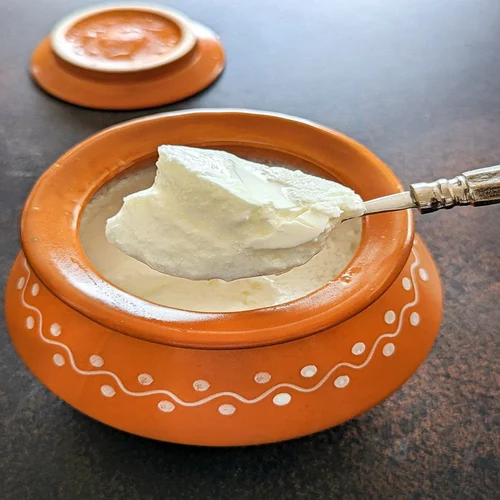
Homemade curd remains a staple in Indian kitchens, prized for its creamy texture, mild tang, and nutritional value.
Yet many households face a common frustration: a thin, transparent liquid forming on top after the curd sets. While this may appear unappetizing, experts clarify that the liquid is simply whey — a natural and nutrient-rich byproduct of milk fermentation.
The Science Behind the Watery Layer
Curd formation is driven by beneficial bacteria that convert lactose (milk sugar) into lactic acid. This acidification causes milk proteins, primarily casein, to coagulate into a gel-like structure. However, when this protein network becomes too tight or unstable — often due to excess acidity or improper conditions — it expels water. This expelled liquid is whey.
Factors such as milk quality, fermentation temperature, and setting time play a crucial role in determining whether curd turns thick and creamy or releases excess whey.
Why It Happens More Often
- Over-fermentation increases acidity, tightening the protein network.
- Low-fat milk lacks the structural support needed for firm curd.
- Temperature fluctuations disturb proper setting.
- Excess starter accelerates fermentation beyond optimal levels.
Four Expert Tips to Set Perfect Curd at Home
1. Choose Full-Fat Milk
Full-fat milk produces a richer, more stable protein network, resulting in thicker curd. Skim or toned milk, on the other hand, often leads to a weaker structure that releases water.
2. Use the Right Amount of Starter
Adding too much starter may seem like a shortcut, but it backfires. Excess culture speeds up fermentation, making curd overly sour and prone to whey separation. A balanced quantity — about ¼ to ½ teaspoon for 500 ml milk — works best.
Read More: Indian Railways Sends First Amul Milk Freight Train to Jammu & Kashmir
3. Maintain a Stable Temperature
Curd sets optimally between 30°C and 40°C. Lower temperatures delay fermentation, while higher temperatures can cause over-acidification. In cooler climates, placing the container in a switched-off oven, microwave, or wrapping it in cloth helps maintain warmth.
4. Add Starter at the Right Milk Temperature
The milk should be lukewarm — warm to the touch but not hot (around 35°C to 40°C). Adding starter to milk that is too hot can kill the bacteria, while cooler milk slows fermentation. Once set, the container should remain undisturbed to allow proper structure formation.
The Bottom Line
The watery layer on curd is not a flaw but a natural outcome of fermentation. However, controlling milk quality, starter quantity, and temperature can significantly improve texture and reduce whey separation. With the right approach, achieving thick, creamy homemade curd is less about luck and more about precision
Join Our “Dairy & Food Jobs Updates” WhatsApp group
Follow the Agri Jobs Updates channel on WhatsApp:
Disclaimer
I do my best to share reliable and well-researched insights but occasional errors or omissions may slip through. Please view all content as informational.
Stay informed on all the latest news updates
All Agriculture Books Free Download
All Dairy Technology Books Free Download
All Agricultural Engineering Books Free download
All Horticulture Books Free Download
All Fisheries Science Books Free Download
For Daily Update follow us at:
Facebook Telegram Whatsapp Instagram YouTube
The contents are provided free for noncommercial purpose such as teaching, training, research, extension and self learning.
If you are facing any Problem than fill form Contact Us
If you want share any article related Agriculture with us than send at info@agrimoon.com with your contact detail.